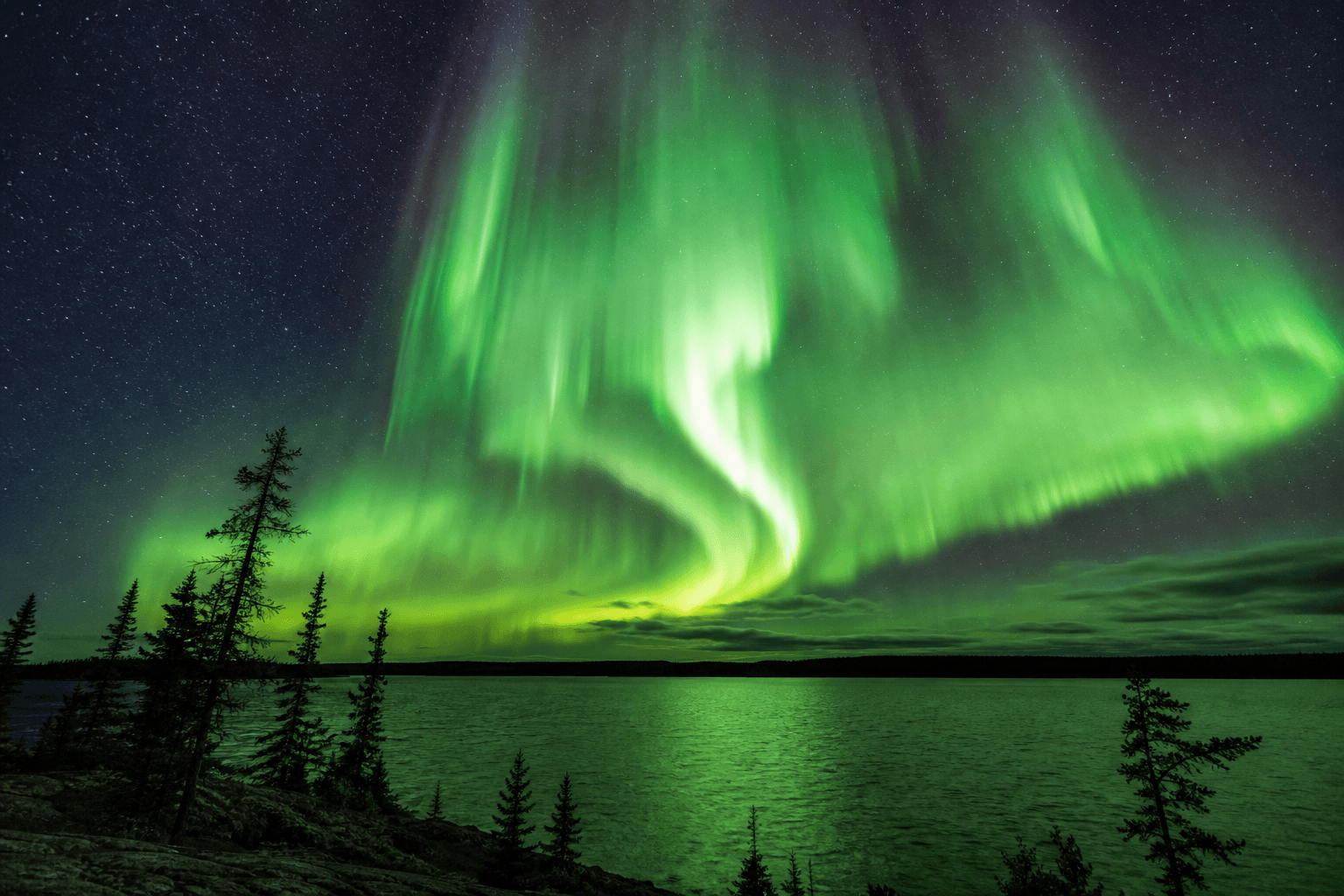
What Is a Substorm?
A substorm is a short-lived burst of aurora activity that can make the northern lights brighten, move faster, and become easier to spot for a while.
Articles
Learn how aurora forecasts work, what affects visibility, and how to give yourself better odds when the sky starts getting interesting.
Learn
Every published guide from Northern Lights Tonight, collected in one place.
A substorm is a short-lived burst of aurora activity that can make the northern lights brighten, move faster, and become easier to spot for a while.
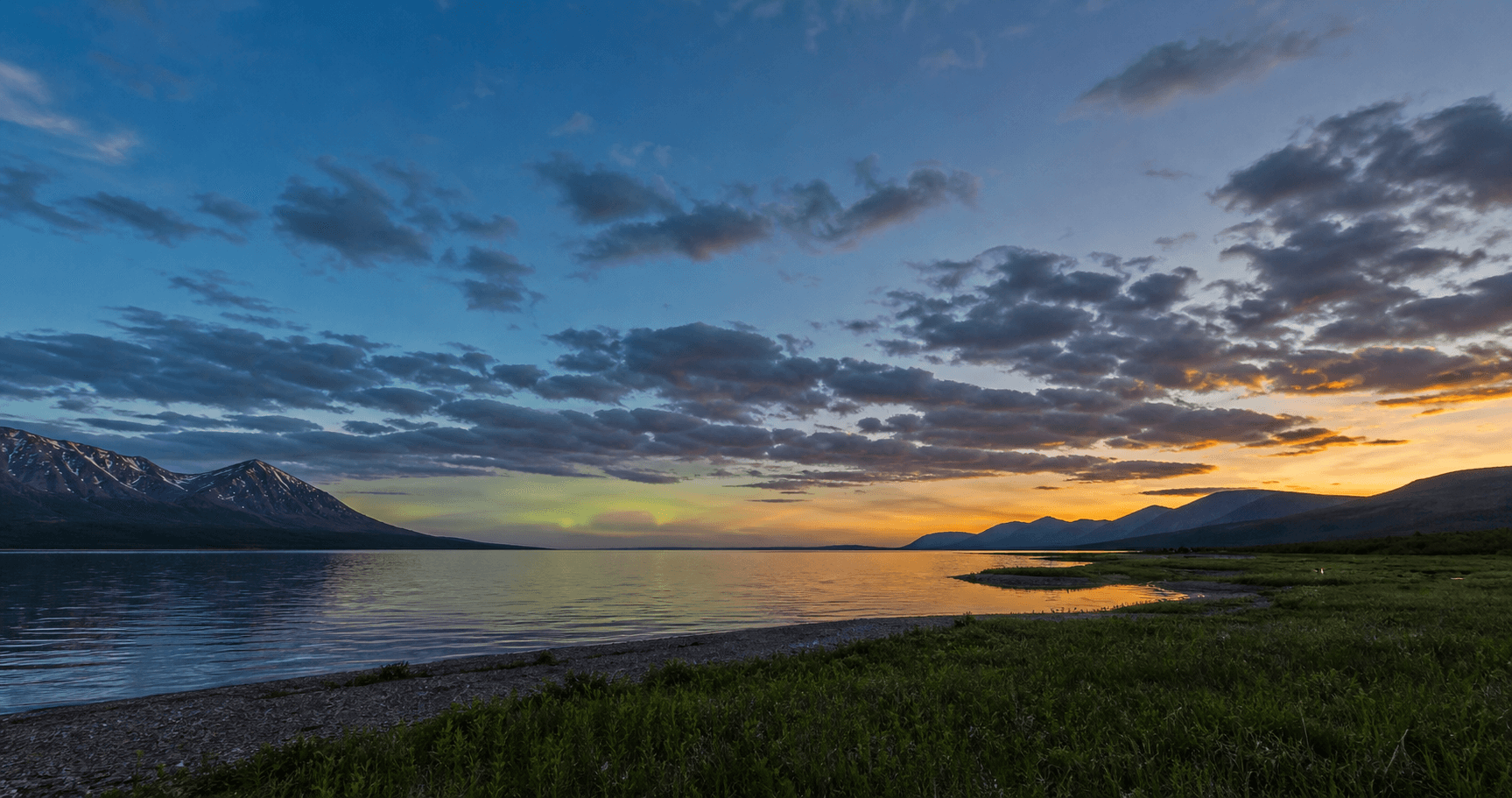
To see the northern lights, you need darkness, clear skies, low light pollution, and enough geomagnetic activity at the same time. This beginner guide explains what actually matters and how to improve your odds in the U.S. and Canada.
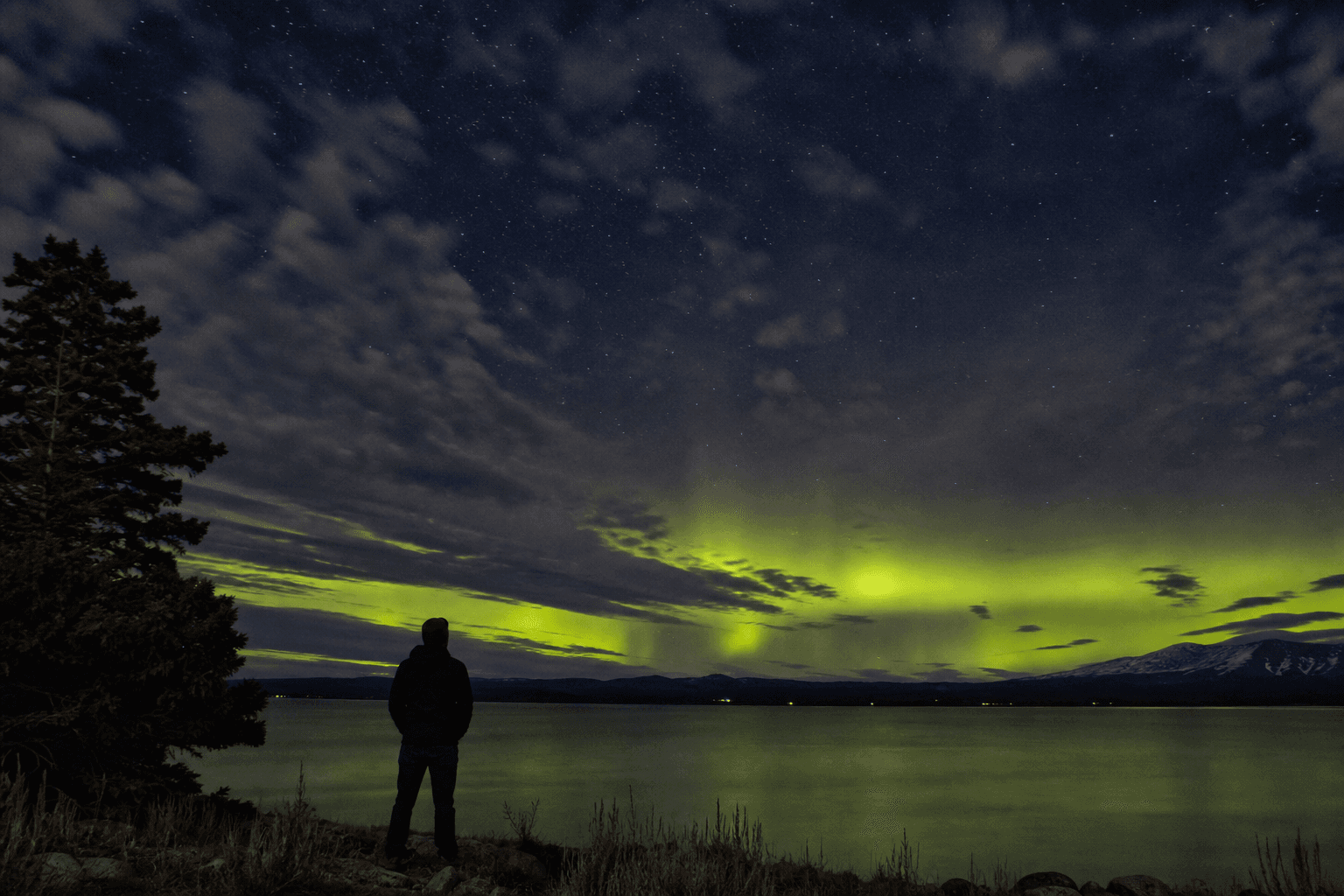
Aurora forecasts can be useful, but they are never perfect. Solar activity, magnetic-field direction, cloud cover, and local darkness all make the northern lights harder to predict than most people expect.
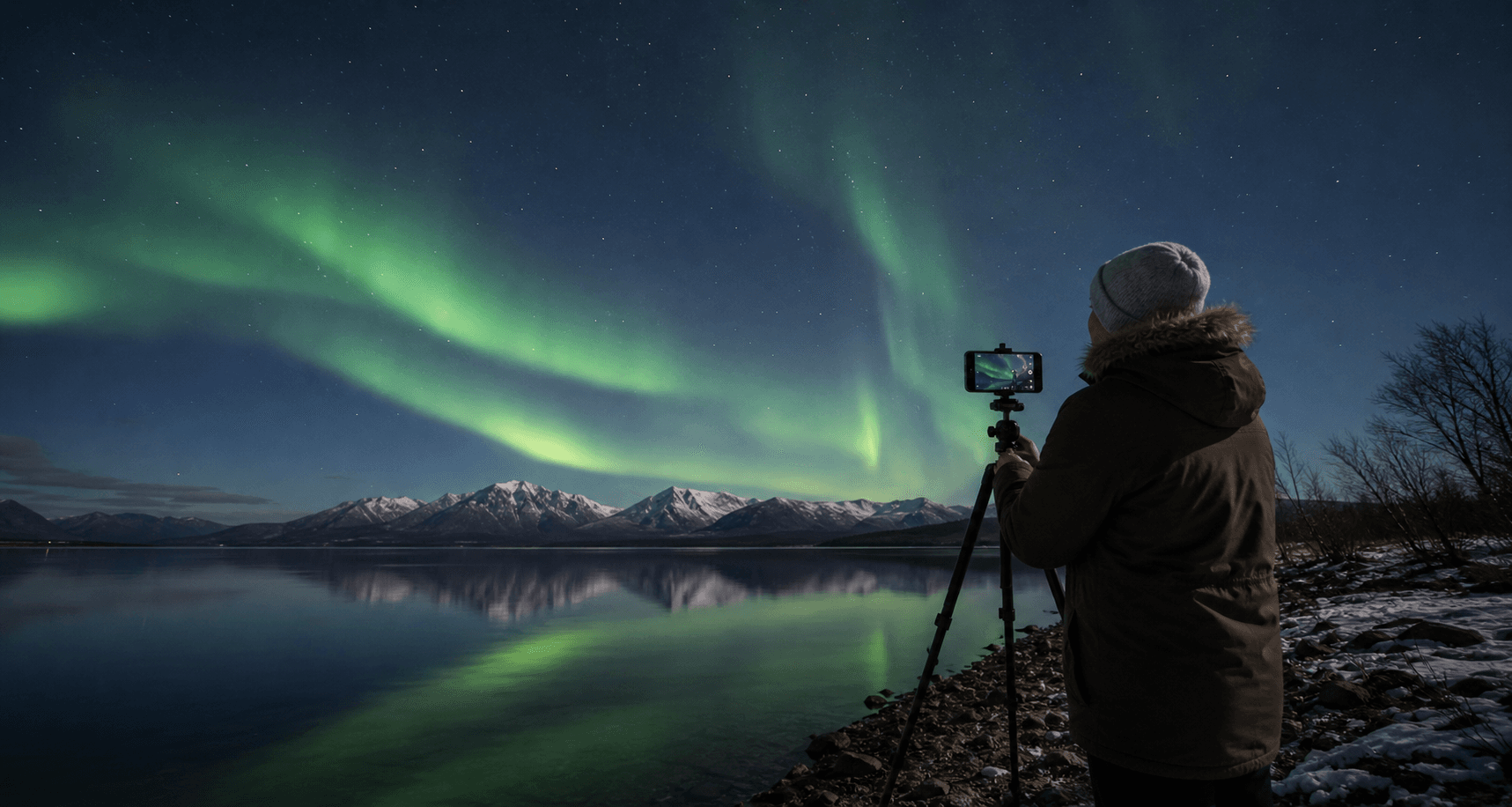
You can photograph the northern lights with an iPhone, especially on newer models, but good results still depend on darkness, stability, and realistic expectations. Here is the practical setup that helps most.
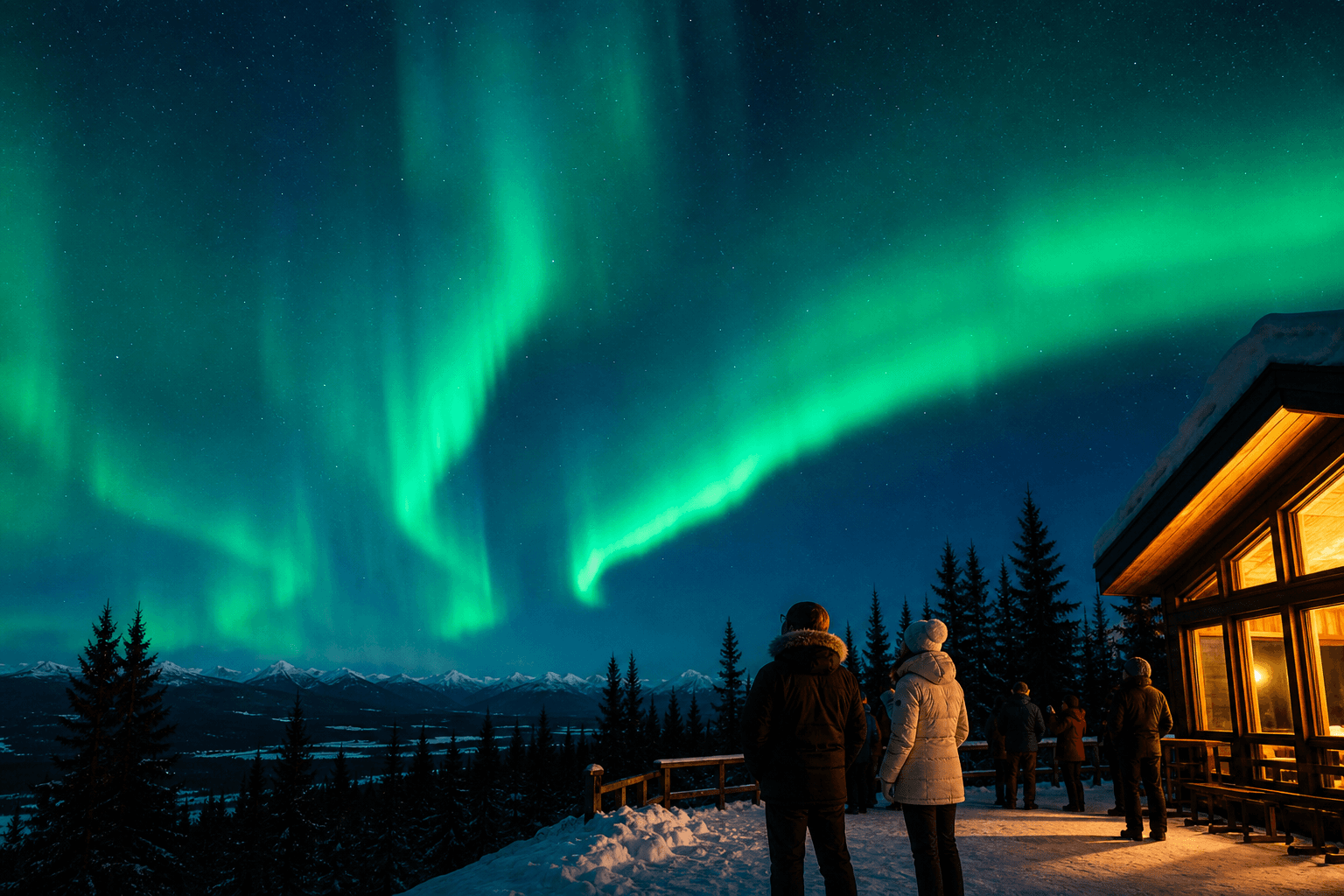
Fairbanks, Yellowknife, Whitehorse, Churchill, and Jasper are among the most popular aurora tourism destinations, but they offer very different tradeoffs in access, comfort, darkness, and reliability.
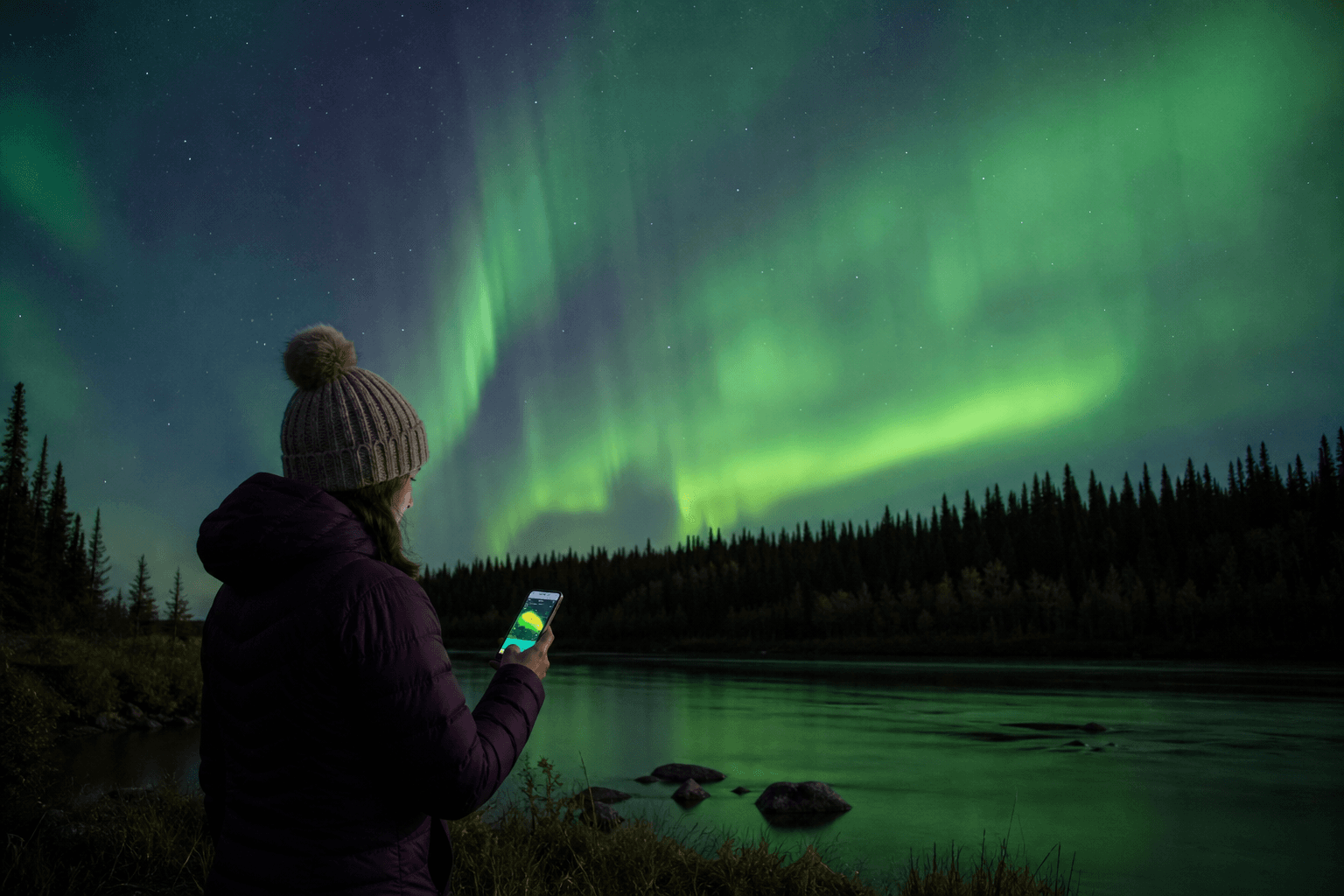
An aurora forecast is easier to read when you know what matters most: geomagnetic activity, darkness, cloud cover, and your location. Here is how to turn the numbers into a better yes-or-no decision.
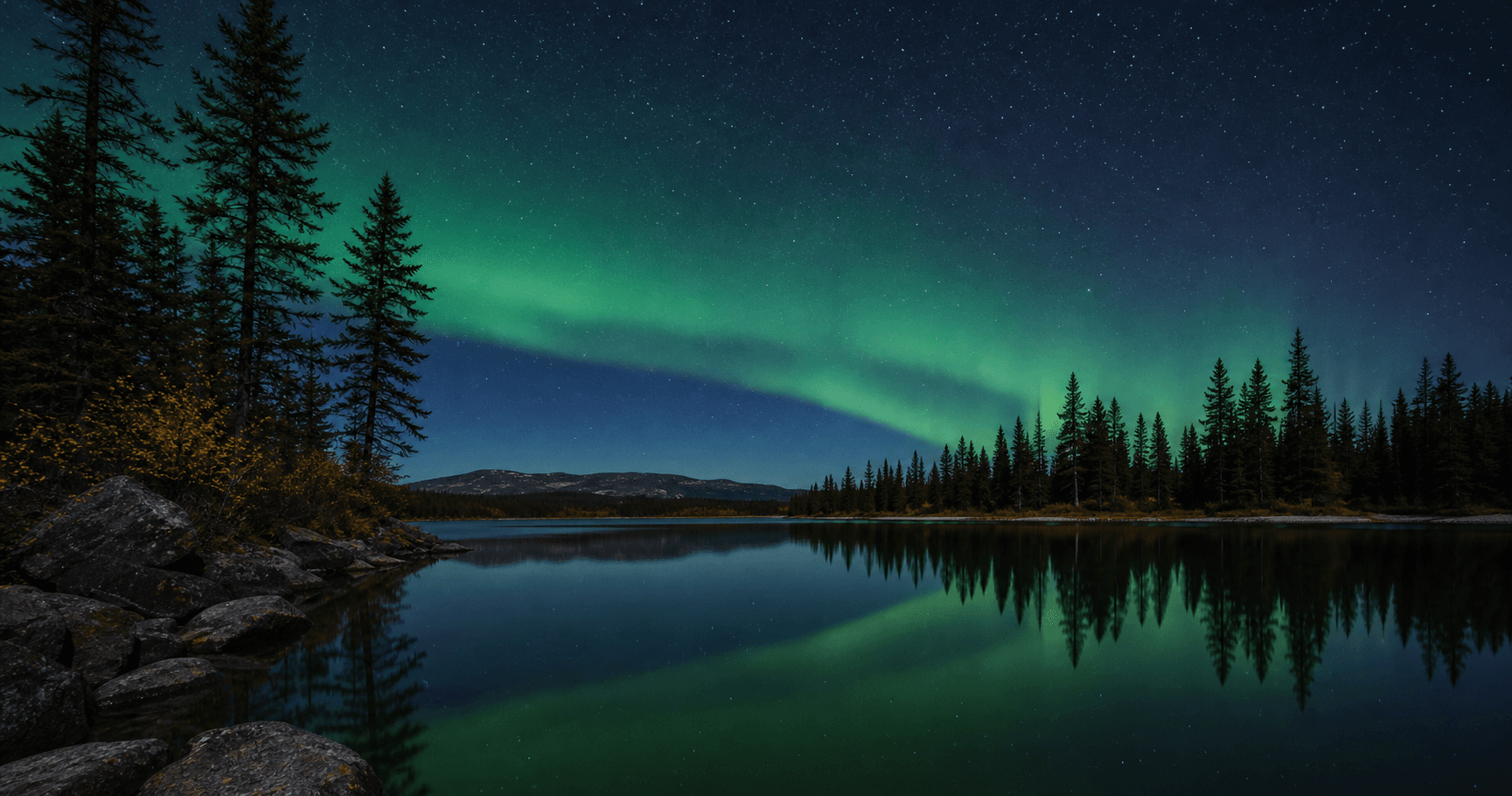
The best time to see the northern lights in the U.S. is usually from late fall through early spring, especially in northern states with dark skies and strong geomagnetic activity.
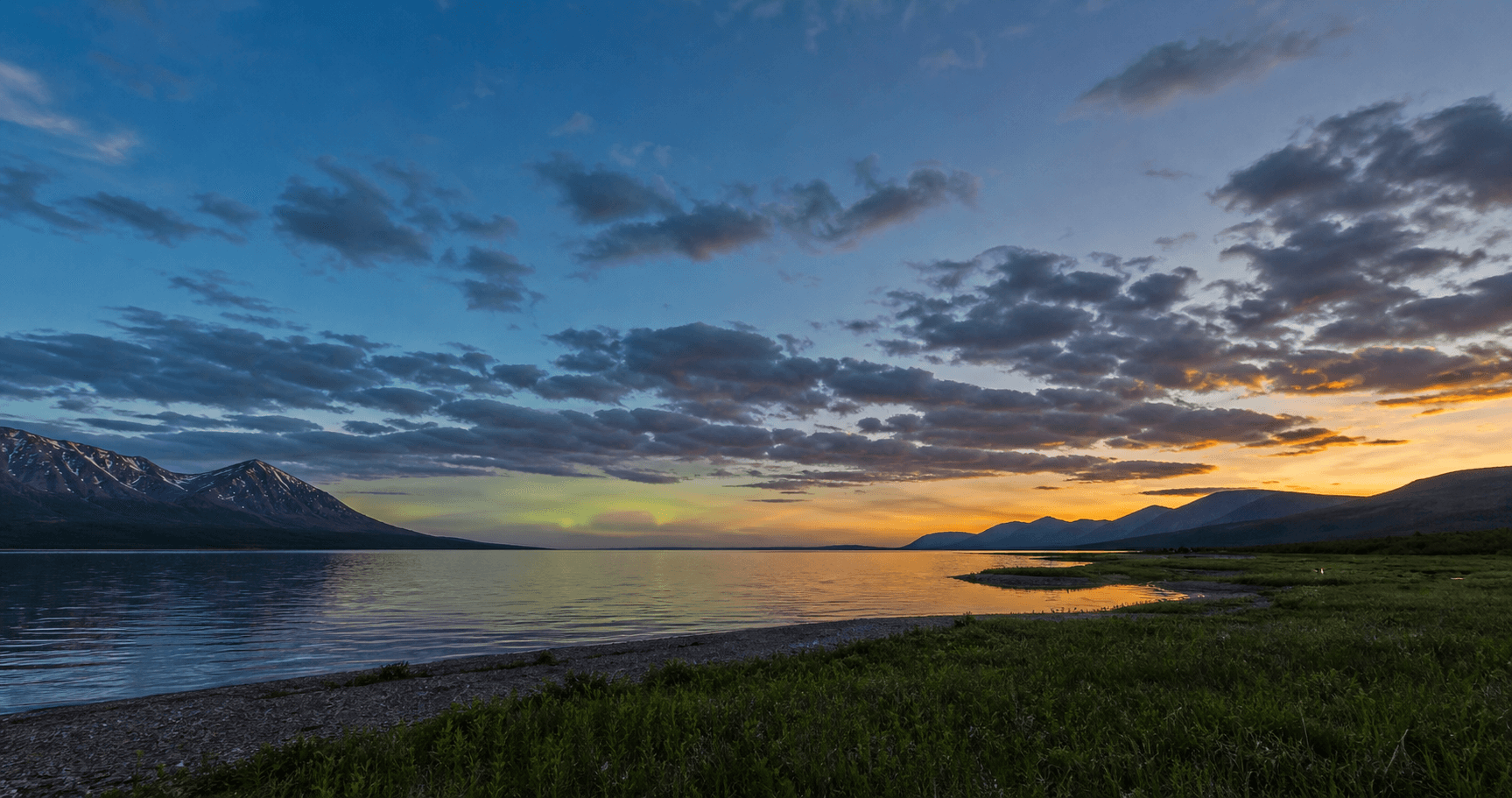
The best time to see the northern lights is usually during dark months from late August or September through March, especially on clear nights in northern Canada, Alaska, and the northern U.S. during stronger activity.
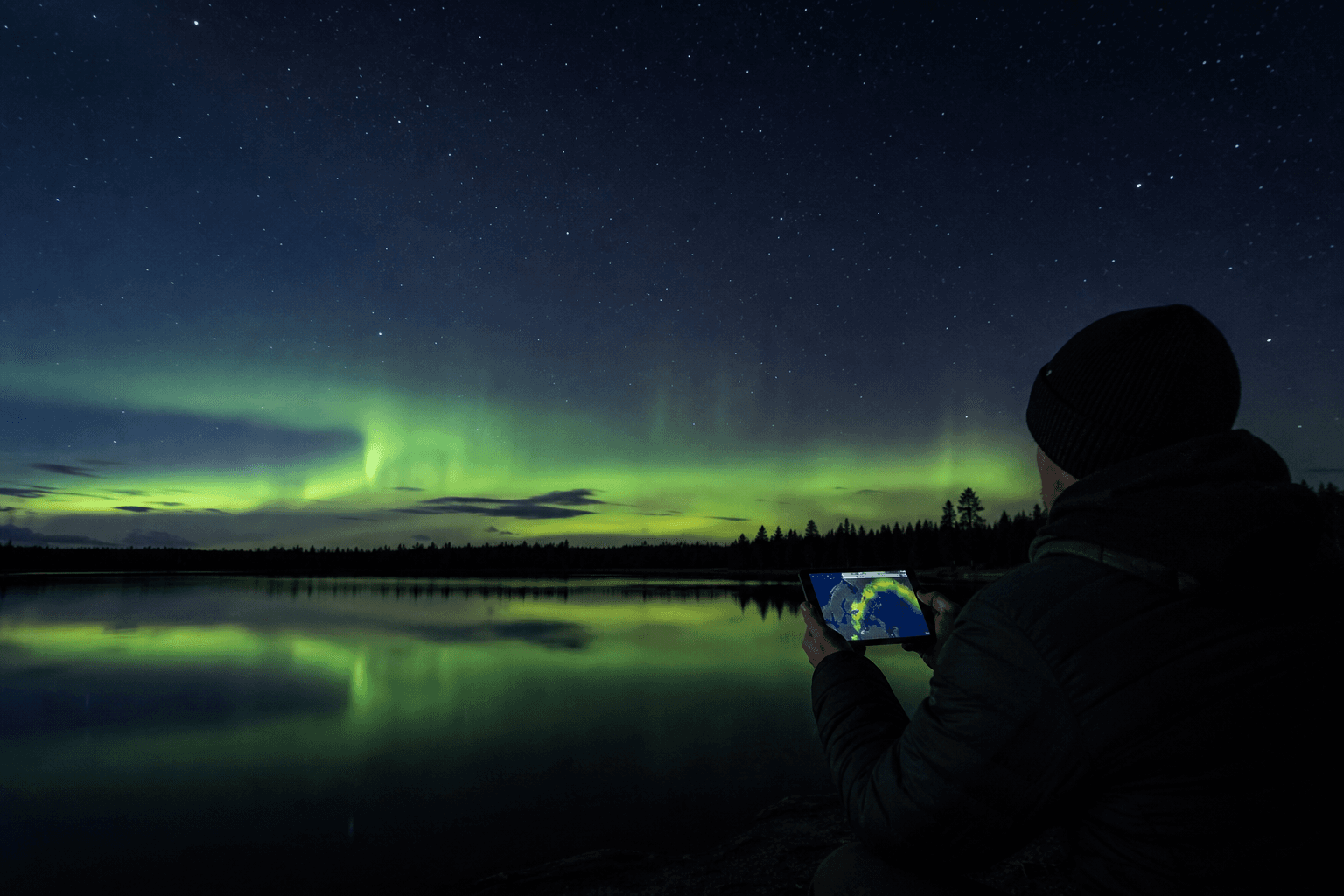
The KP index is one of the most common numbers in aurora forecasts, but it works best as a rough guide, not a promise. Here is what it means and how casual northern lights watchers should use it.
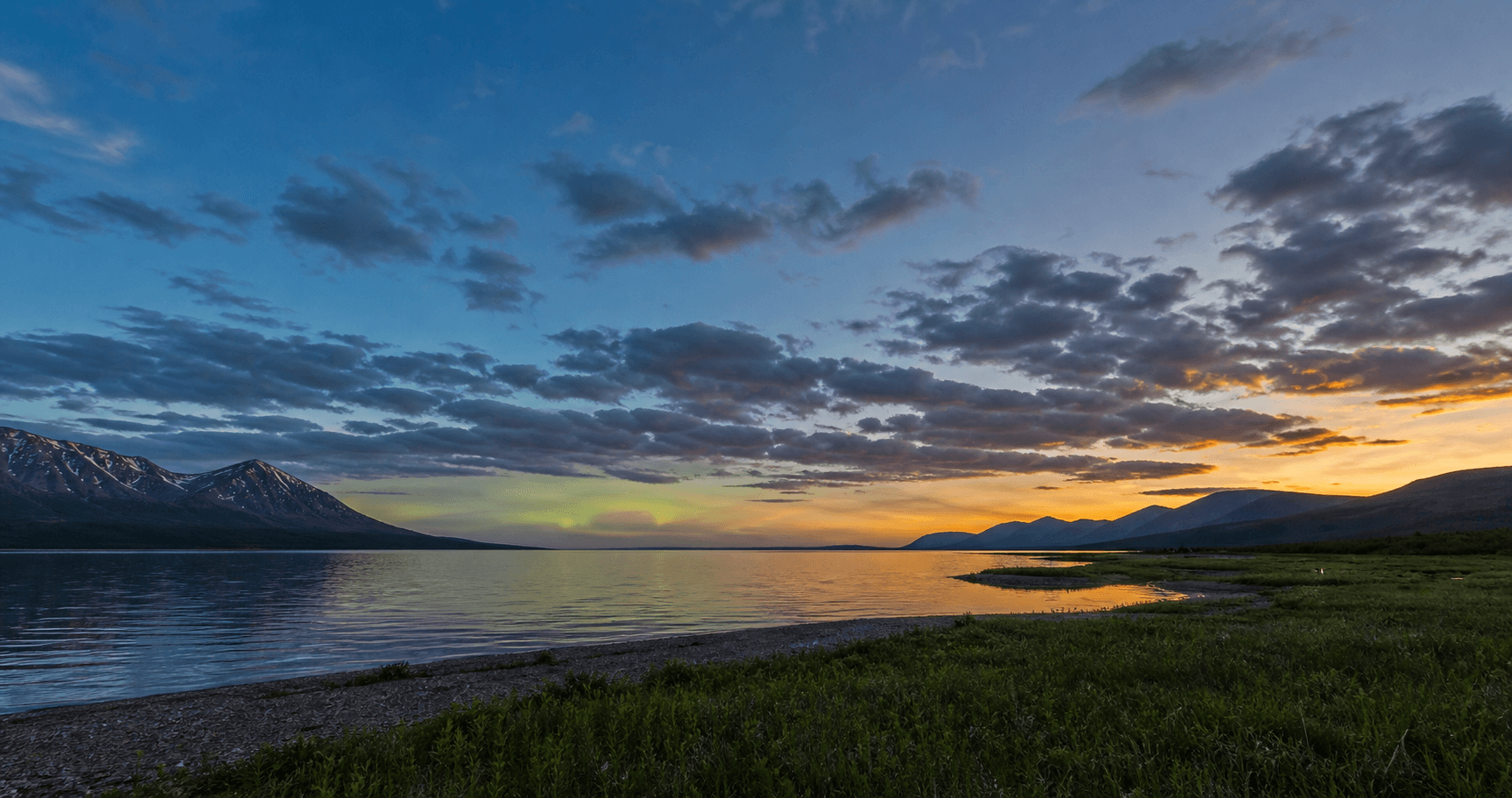
The northern lights still happen in summer, but long daylight, bright twilight, and short nights make them much harder to see across the U.S. and Canada.
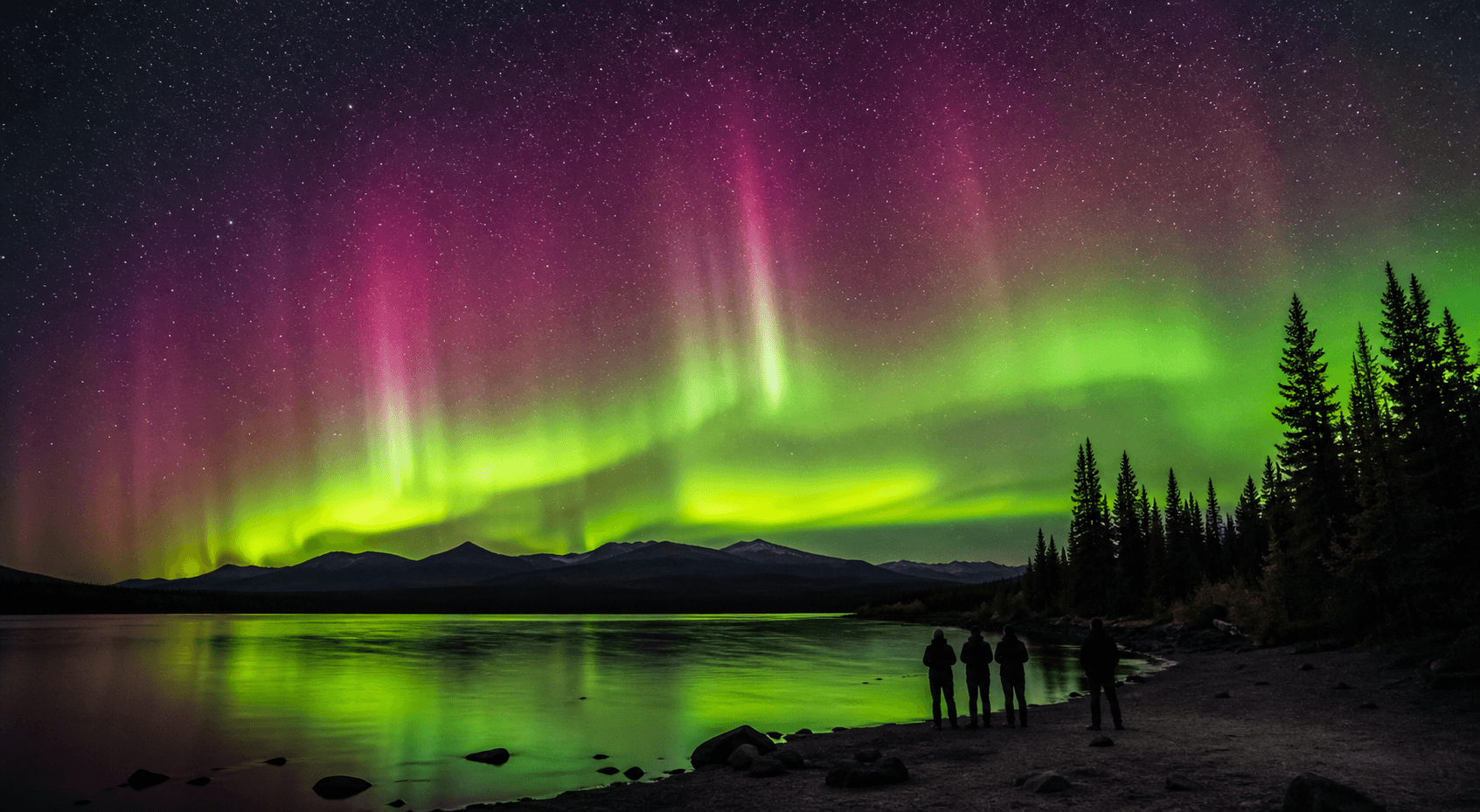
A look at several major aurora storms from 2023 to 2025, where they were visible, and what made each event stand out.
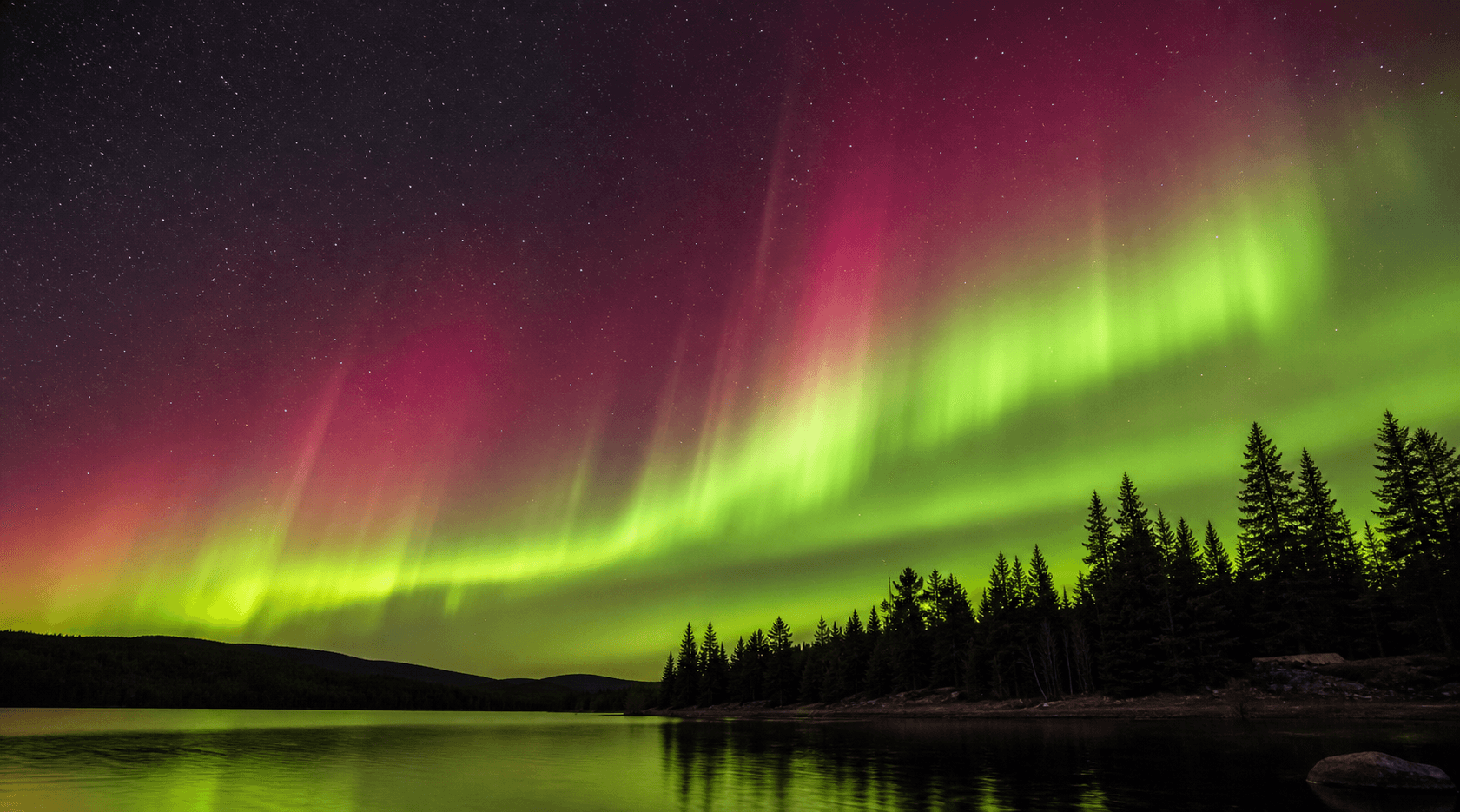
The northern lights have been unusually active because Solar Cycle 25 is in its maximum phase, with high sunspot activity leading to more solar flares, coronal mass ejections, and stronger geomagnetic storms.
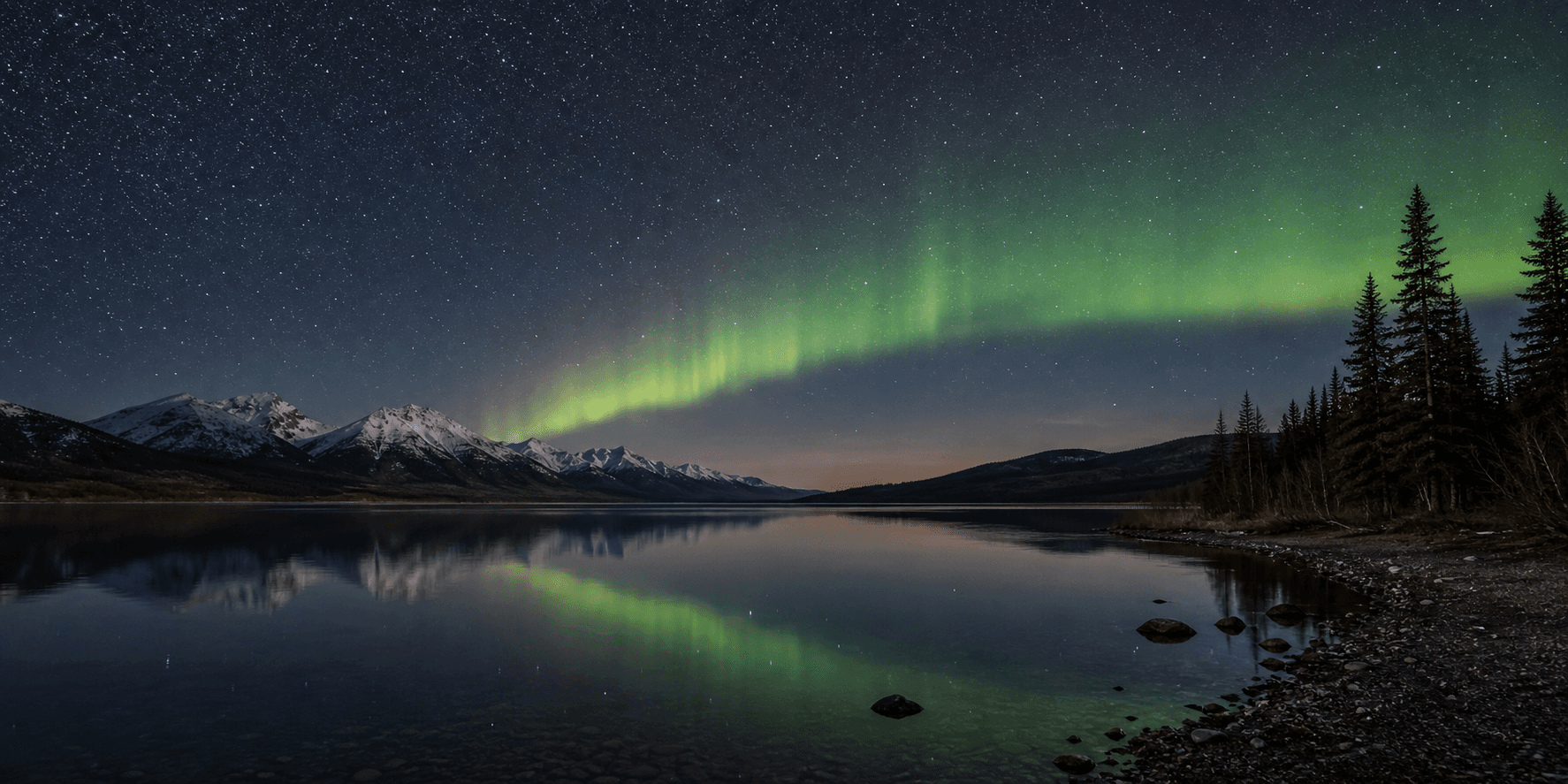
The Aurora Borealis, or northern lights, is a natural light display caused by charged particles from the Sun interacting with Earth's magnetic field and upper atmosphere.