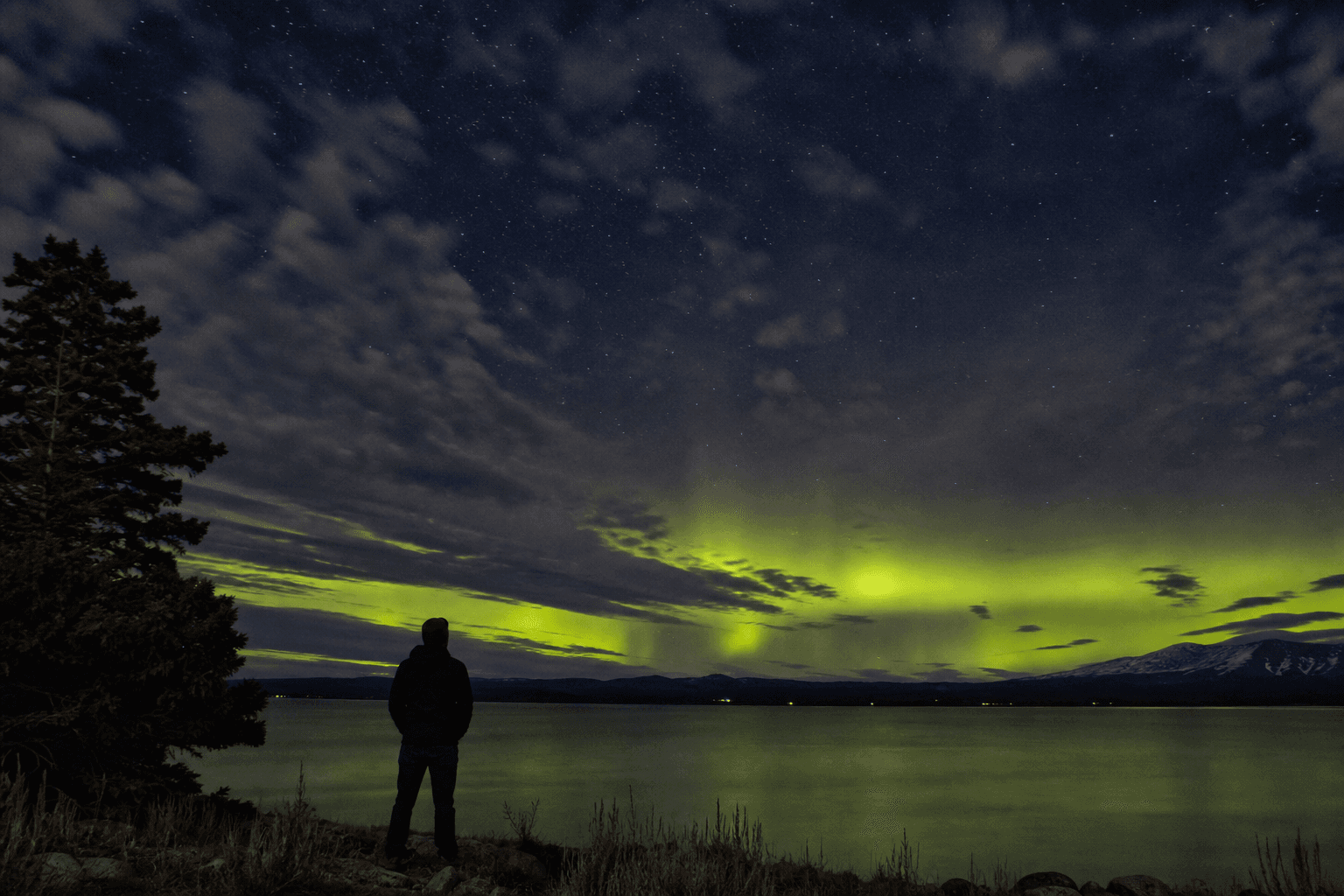
Why Is the Aurora So Hard to Predict?
Aurora forecasts can be useful, but they are never perfect. Solar activity, magnetic-field direction, cloud cover, and local darkness all make the northern lights harder to predict than most people expect.
Check the estimated chances of seeing the northern lights in cities and places across Canada, both right now and later tonight. Search for a specific city or use a nearby location if your city is not listed.
Find a place faster
The chances above don't take the weather into account, so be sure to check the forecast to see if it's cloudy or clear.
Use the links below to compare countries, learn how aurora visibility works, and move from a broad Canada forecast to more specific planning pages.
Learn
Use these guides to understand why a forecast can look promising in Canada but still depend on darkness, weather, and viewing conditions.
Aurora forecasts can be useful, but they are never perfect. Solar activity, magnetic-field direction, cloud cover, and local darkness all make the northern lights harder to predict than most people expect.
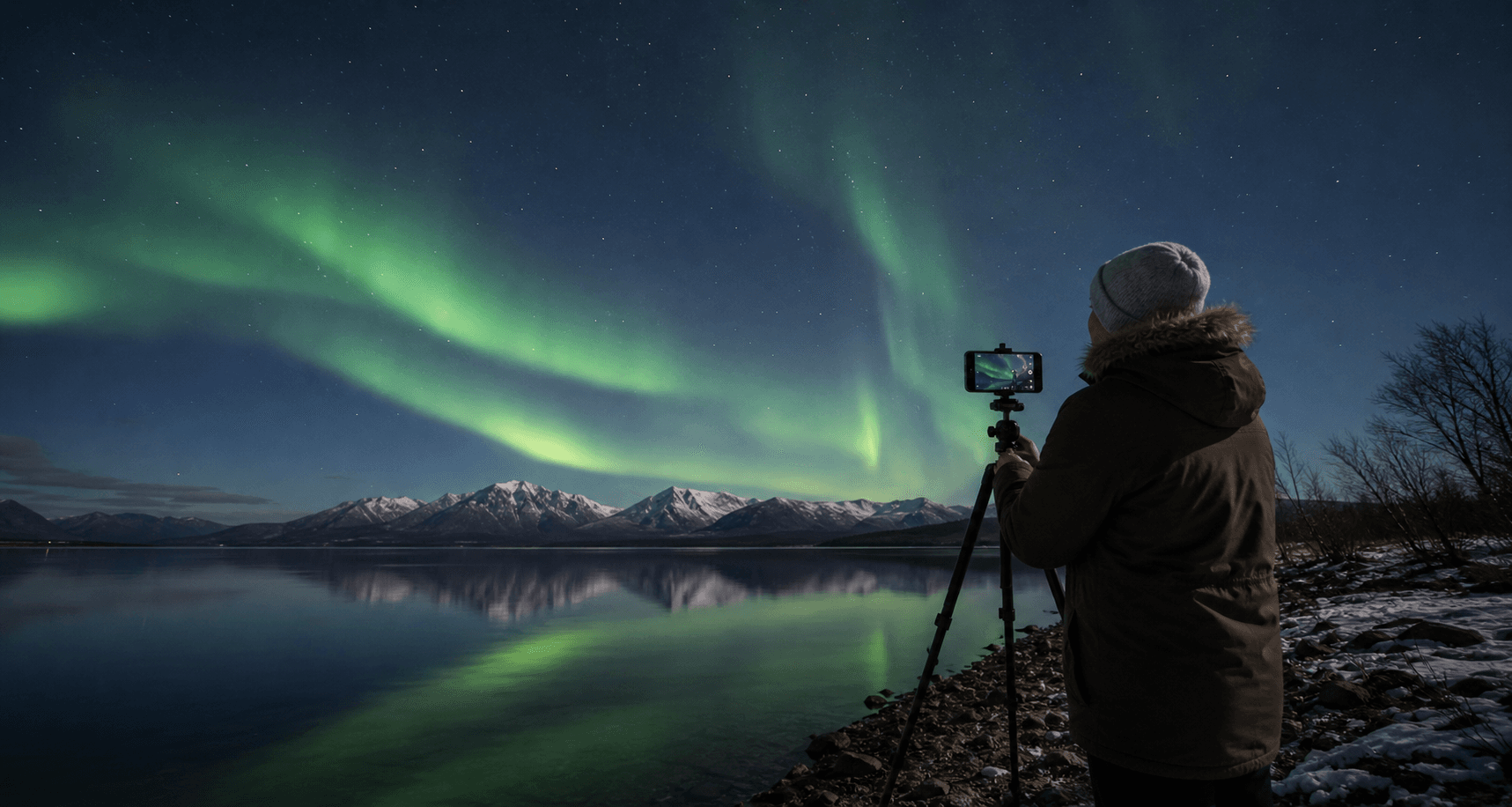
You can photograph the northern lights with an iPhone, especially on newer models, but good results still depend on darkness, stability, and realistic expectations. Here is the practical setup that helps most.
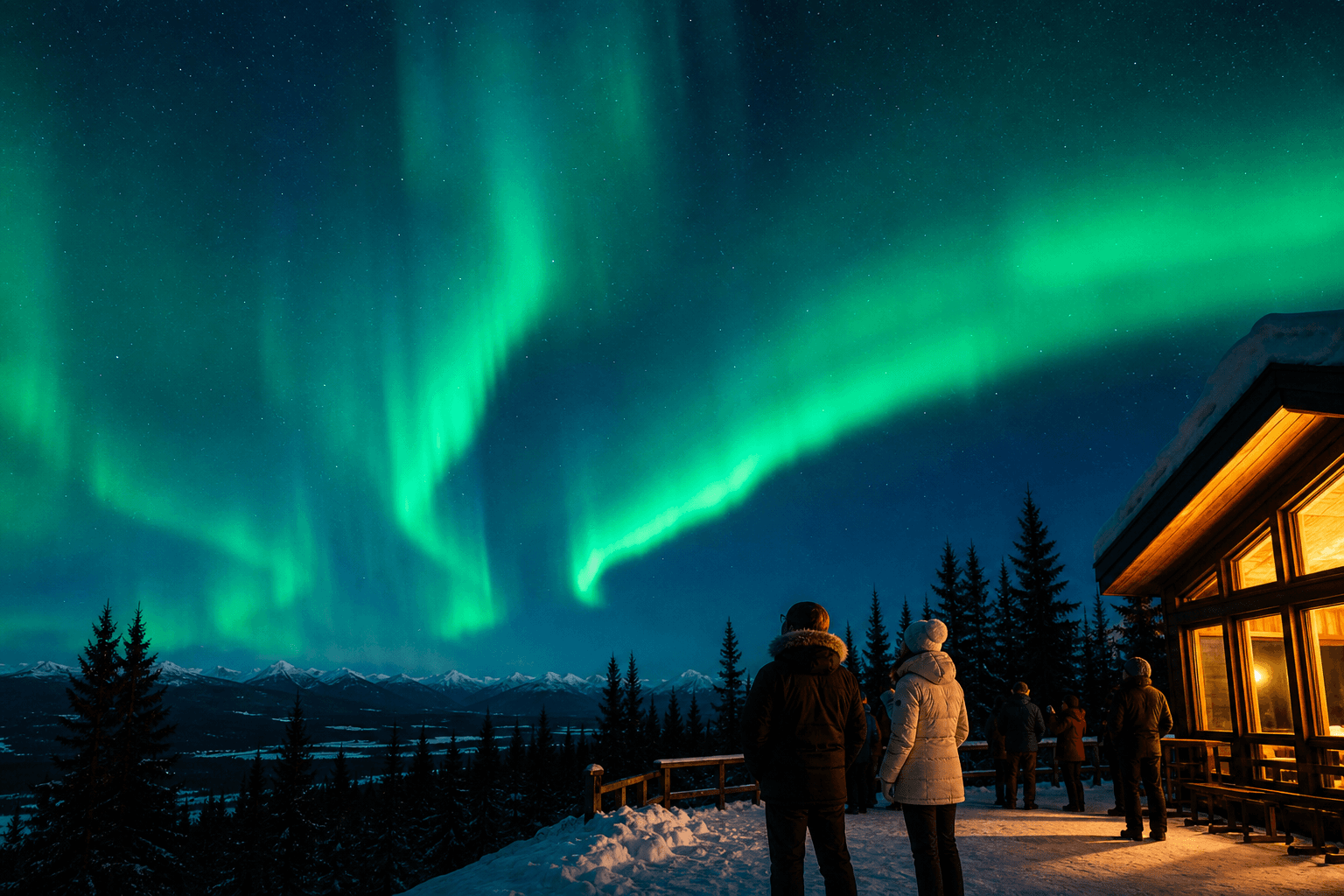
Fairbanks, Yellowknife, Whitehorse, Churchill, and Jasper are among the most popular aurora tourism destinations, but they offer very different tradeoffs in access, comfort, darkness, and reliability.