Why Is It So Hard to See the Northern Lights in Summer?
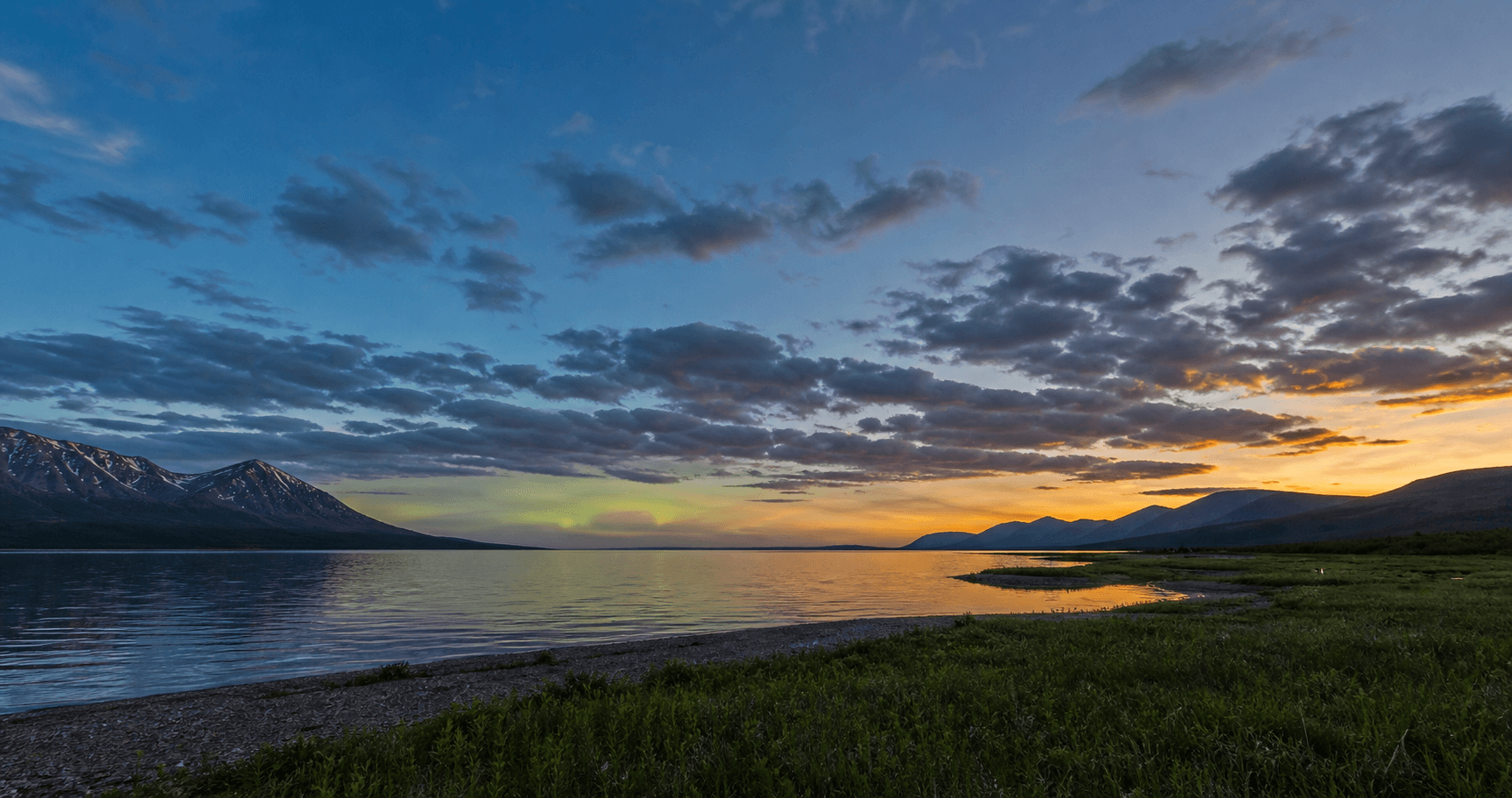
The northern lights do not take the summer off. The Sun still sends charged particles toward Earth, geomagnetic storms still happen, and auroras can still glow high above the atmosphere.
The problem is much simpler and much more annoying: in summer, the sky often does not get dark enough.
For casual aurora watchers in the U.S. and Canada, summer is usually the hardest season for seeing the northern lights. Not because auroras disappear, but because daylight, twilight, and short nights hide them from view. The aurora may be up there doing its thing while the sky says, "Nice try, but I am still blue."
The short answer
It is hard to see the northern lights in summer because auroras are faint compared with daylight and twilight.
To see the aurora clearly, you usually need:
- A dark sky
- Clear weather
- Low light pollution
- Enough geomagnetic activity
- A location far enough north for the current storm level
Summer works against the first requirement. In northern parts of Canada and Alaska, the sky can stay bright all night. Even farther south, the useful dark window can be very short. If the aurora is weak or moderate, it may simply be washed out.
Auroras still happen in summer
It is worth separating two ideas:
- Auroras happening
- Auroras being visible from the ground
Those are not the same thing.
The aurora borealis is caused when charged particles from the Sun interact with Earth's magnetic field and atmosphere. That process can happen in any season. Space weather does not check the calendar and politely avoid July.
But your eyes and camera need darkness to see the result. A bright summer sky can hide an aurora the same way city lights can hide faint stars. The light is there, but the contrast is poor.
The real problem is twilight
Most people think of night as a simple on-or-off switch. The Sun goes down, night begins, and the sky gets dark.
Summer at northern latitudes is less cooperative.
After sunset, the sky passes through stages of twilight. During these stages, the Sun is below the horizon but still close enough to light the upper atmosphere. The result is a sky that may look dim, but not truly dark.
There are three common twilight stages:
- Civil twilight: bright enough that many outdoor activities are still easy
- Nautical twilight: darker, but the horizon may still be visible
- Astronomical twilight: the sky is close to fully dark
For the best aurora viewing, astronomical darkness is usually what you want. In summer, many northern places get little of it, and some get none at all for weeks.
That is why a June aurora forecast can look promising while the actual sky is still too bright. The aurora may be active, but the viewing conditions are doing their best impression of a dimly lit parking lot.
Why northern places can be worse in summer
This feels backwards at first. Northern places usually have better aurora odds, so shouldn't they be better in summer too?
For aurora activity, yes. For darkness, no.
The farther north you go in summer, the longer the days become. In parts of northern Canada and Alaska, the Sun may barely dip below the horizon, or may not set at all. That creates midnight sun or all-night twilight.
Places with excellent winter aurora potential can become frustrating in summer because they lose the dark sky that makes auroras visible.
For example:
- Northern Canada can have strong aurora activity but very limited darkness.
- Alaska can be fantastic in winter, but summer nights are often too bright.
- Northern U.S. states may get more darkness than far northern Canada, but usually need stronger geomagnetic storms for the aurora to reach that far south.
So summer creates a tradeoff. Go north and aurora activity is more favorable, but darkness is worse. Stay farther south and the sky gets darker, but the aurora usually needs to be stronger.
Space weather likes to keep things interesting. Apparently "easy" was not on the menu.
Can you ever see the northern lights in summer?
Yes, it is possible. It is just less likely and usually more demanding.
Summer aurora sightings are most realistic when several things line up at once:
- A strong geomagnetic storm
- A location with at least some true darkness
- Clear skies
- Low light pollution
- Good timing near the darkest part of the night
- A camera or phone that can capture faint light better than your eyes
In the northern U.S. and southern Canada, a strong geomagnetic storm can sometimes make the aurora visible during summer nights, especially later in the season as nights slowly get longer again.
In far northern areas, visibility often improves as summer ends and darker nights return. Late August and September can be much better than June or early July in many northern aurora destinations.
Why cameras may see what your eyes miss
In summer, you may see photos of auroras when people nearby say they saw nothing. Both can be true.
Modern phone cameras and dedicated cameras can use longer exposures to collect more light than your eyes can in a quick glance. That can reveal faint green, pink, or purple color in a sky that looked mostly gray or pale to the naked eye.
This is especially common when:
- The aurora is weak
- Twilight is still present
- There is light pollution nearby
- Your eyes have not fully adjusted to the dark
If you are checking for a faint summer aurora, try taking a short night-mode photo toward the northern horizon. Do not trust the camera completely, though. It can make a barely visible glow look more dramatic than it felt in person. Cameras are helpful, but they are also tiny hype machines with lenses.
Summer aurora watching tips
If you still want to try seeing the northern lights in summer, keep expectations realistic and stack the odds in your favor.
Use these tips:
- Check the aurora forecast before heading out.
- Look for the darkest part of the night, usually around local midnight or later.
- Get away from city lights if possible.
- Find a clear view toward the northern horizon.
- Watch cloud cover, not just aurora activity.
- Give your eyes time to adjust.
- Use a camera or phone night mode to check for faint color.
- Be patient, but do not lose sleep over a weak forecast.
If you are in the U.S., start with the U.S. northern lights forecast. If you are in Canada, check the Canada northern lights forecast. Local conditions matter, and a forecast is much more useful when paired with your actual sky.
When does aurora visibility improve again?
For many places in the U.S. and Canada, aurora viewing gets better as nights grow longer after the summer solstice.
The improvement is gradual. June is usually difficult. July can still be tough, especially far north. August starts to bring more usable darkness in many areas. September is often much better, with longer nights and still-manageable weather in many regions.
Winter generally gives the longest dark windows, which is why it is such a popular season for aurora trips. The tradeoff, of course, is cold weather. The aurora may be beautiful, but your toes may have opinions.
The takeaway
The northern lights are hard to see in summer because the sky often stays too bright. Auroras still happen, but long daylight and lingering twilight can wash them out before they reach your eyes.
Summer sightings are possible during strong geomagnetic storms, especially from darker locations with clear skies. But if you are planning an aurora-focused trip, late summer, fall, winter, and early spring usually give you much better odds.
In other words: the aurora is not gone. It is just competing with a very determined Sun.