Best Time to See the Northern Lights in the U.S.
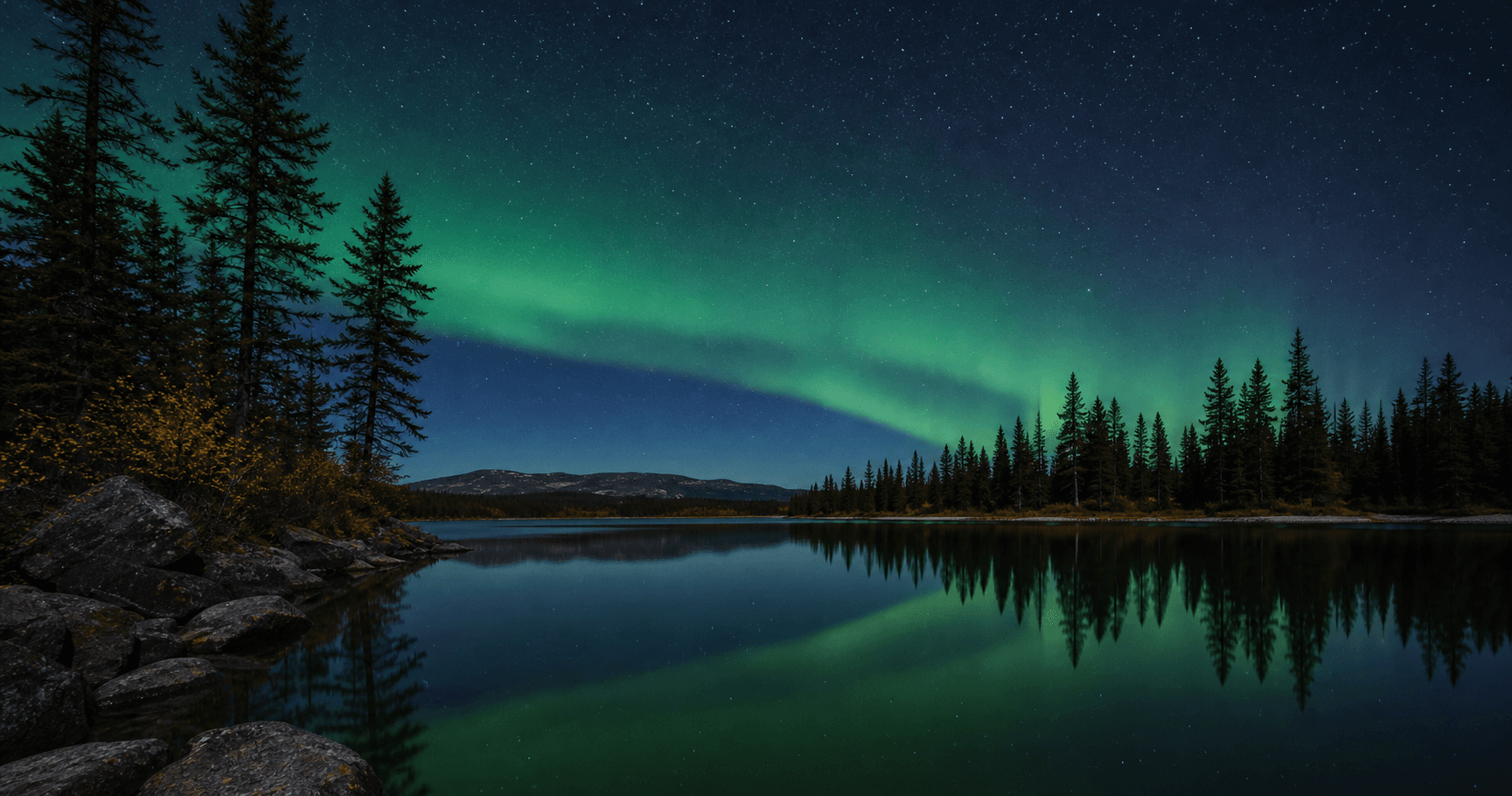
If you want the short version, the best time to see the northern lights in the U.S. is usually from late fall through early spring. That is when nights are longest, skies get properly dark, and northern states have the best chance of catching aurora activity.
Summer is usually a poor bet, and not because auroras stop happening. The bigger issue is darkness. In many northern places, the sky simply does not get dark enough for long enough. The aurora may be active while the night sky is still doing an impression of late evening.
The short answer
For most casual aurora watchers in the U.S., the best time to look is:
- September through March for the broadest practical window
- Late fall and winter for the longest dark nights
- Around strong geomagnetic storms, especially in northern states
- Near the spring and fall equinox seasons, when aurora activity often gets extra attention
If you live in Alaska, your viewing season is much longer and your odds are much better. If you live in the northern Lower 48, you usually need a stronger event, clear skies, and a dark location away from city lights.
Why fall through spring works best
Auroras need more than solar activity. They also need darkness.
That is why the best U.S. aurora season is mostly a darkness story:
- Nights are longer
- Twilight is shorter
- The sky gets darker than it does in summer
- You have a bigger window to wait out clouds or changing activity
This matters because auroras are not always bright enough to punch through a half-lit sky. Even a decent forecast can turn into nothing useful if the horizon is glowing or the night is too short.
If you want the details on why summer is such a struggle, this guide on summer aurora visibility goes deeper.
The best months in the U.S.
There is no single perfect month everywhere, but for most of the U.S., these are the most realistic periods:
September to October
Early aurora season can be excellent in northern states because nights are getting darker again, temperatures are often easier than midwinter, and you do not have to commit to full survival-mode layering yet.
This is a particularly good time for:
- Alaska
- Northern Minnesota
- North Dakota
- Montana
- Northern Michigan
- Maine
November to February
This is the core dark-season window for most U.S. aurora watching.
These months offer:
- Long nights
- Better darkness than any other season
- More time to catch short-lived bursts of activity
The tradeoff is obvious. Winter gives you the darkness you want, but it also gives you cold, snow, and weather that may test your dedication. Aurora watching is scenic. It is also occasionally a lesson in poor circulation.
March
March is often underrated. Nights are still long enough in many northern states, and it can be more comfortable than deep winter. If you want a solid mix of darkness and slightly less frozen regret, March is a very reasonable month.
Does the equinox really help?
You will often hear that auroras are better around the spring and fall equinoxes.
That idea has some scientific basis. Geomagnetic conditions can sometimes be a bit more favorable around those parts of the year. But it is not a magic switch, and it does not override the basics.
You still need:
- Enough geomagnetic activity
- A location far enough north, or a storm strong enough to push the aurora south
- Clear skies
- Low local light pollution
Think of the equinox effect as a small nudge, not a guarantee.
Where in the U.S. do you have the best odds?
Timing helps, but location matters just as much.
The best regular U.S. chances are in Alaska, especially around Fairbanks and other interior areas with dark skies and established aurora tourism. In the Lower 48, the best odds are usually in northern states closer to the Canadian border.
Strong U.S. regions include:
- Alaska
- Northern Minnesota
- North Dakota
- Montana
- Idaho
- Northern Michigan
- Maine
Farther south, auroras usually require unusually strong geomagnetic storms. Those events do happen, but they are not something you should plan a normal weekend around six months in advance.
Why a date on the calendar is not enough
The best season improves your chances, but it does not guarantee a sighting.
Aurora visibility in the U.S. still depends on:
- Geomagnetic activity
- Cloud cover
- Your latitude
- Light pollution
- Moonlight
- Timing during the night
This is why people can stand in the same state on the same night and get very different results. One person is under clear skies in a dark field. Another is under clouds outside a brightly lit parking lot. Space weather may be the same, but the view is not.
If you want to understand why forecasts can feel slippery, our article on why aurora is hard to predict covers the moving parts.
Practical tips for U.S. aurora watchers
If your goal is to actually see the lights instead of just collecting forecast screenshots, these habits help:
- Focus on late fall through early spring
- Prioritize northern states and dark-sky areas
- Check the U.S. forecast before heading out
- Watch cloud cover as closely as aurora activity
- Get away from city lights if possible
- Give yourself more than one night if you are traveling
- Stay out later than feels emotionally convenient
That last one matters. Some good aurora displays happen late, and the sky does not care that you brought a folding chair and wanted closure by 10:15 p.m.
So what is the best time overall?
For most people in the U.S., the best overall time to see the northern lights is between September and March, with the strongest practical odds in Alaska and the northern tier states during dark, clear nights.
If you want the simplest planning advice:
- Pick the dark season
- Stay as far north as practical
- Use forecasts, but do not trust them blindly
- Treat clear skies as non-negotiable
That combination will usually do more for you than chasing one magical month.
The takeaway
The best time to see the northern lights in the U.S. is usually from late fall through early spring, when darkness lasts long enough for auroras to stand out. Alaska offers the best regular odds, while the northern Lower 48 can do well during stronger geomagnetic activity.
If you want a better chance of success, think less in terms of one perfect date and more in terms of season, latitude, weather, and darkness. That is less romantic than "just go in winter," but it is also much more useful.