Why Are the Northern Lights So Active Right Now?
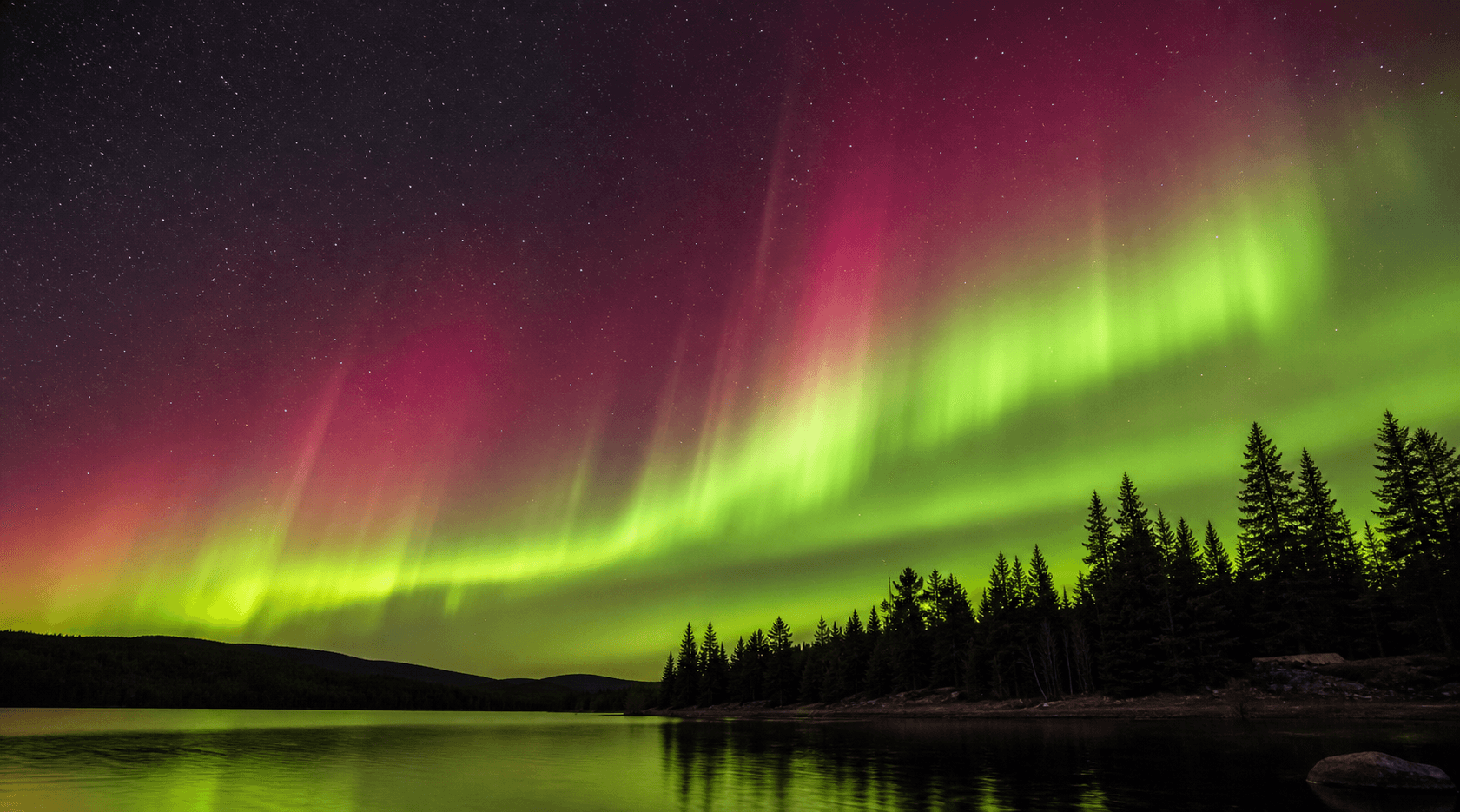
The short answer is that the Sun is still in the busy part of Solar Cycle 25.
When the Sun is near solar maximum, it produces more sunspots, more flares, and more coronal mass ejections. That increases the odds of geomagnetic storms at Earth, and those storms are what make the northern lights brighter, more frequent, and sometimes visible much farther south than usual. So if it feels like aurora headlines have been everywhere lately, that is not just your algorithm being dramatic for sport.
Why the aurora feels unusually active right now
As of May 13, 2026, NASA and NOAA still describe the Sun as being in the maximum phase of Solar Cycle 25. They announced in October 2024 that the Sun had reached solar maximum, and said that this active phase could continue for about another year before the cycle clearly shifts into decline.
That matters because solar maximum is when the Sun is most likely to send out the kinds of eruptions that drive aurora:
- More sunspots, which mark magnetically active regions on the Sun
- More solar flares
- More coronal mass ejections, often shortened to CMEs
- More chances for geomagnetic storms when those eruptions affect Earth
In practical terms, a more active Sun means more nights when aurora watchers in Canada and the northern U.S. have a real reason to check the forecast.
Solar Cycle 25 has been stronger than many people expected
Solar cycles do not all behave the same way. Some peak quietly. Some peak with more ambition.
NOAA's Space Weather Prediction Center said in January 2026 that Solar Cycle 25 likely reached its highest sunspot number in more than 20 years. The center reported an estimated daily sunspot number of 337 on August 8, 2025, with an initial official estimate of 299, levels not seen since March 2001.
That does not mean every day now is a nonstop aurora festival. It does mean the current cycle has been notably active, which helps explain why the last couple of years have produced so many widely shared aurora events across North America.
If you want the longer background on how the cycle rises and falls, the solar cycle and aurora goes deeper into that part.
More active Sun, more chances for strong aurora
The northern lights appear when energy and charged particles from the Sun interact with Earth's magnetic field and upper atmosphere.
The key point for casual aurora watchers is simple:
- More solar activity does not guarantee aurora tonight
- More solar activity does increase the odds of strong geomagnetic disturbances
- Stronger geomagnetic disturbances can push the aurora farther south
That is why a very active period on the Sun can lead to nights when people in southern Canada, the northern U.S., or even farther south suddenly get a chance at the aurora.
This also helps explain why recent years have produced unusual sightings well outside the usual auroral zone. Recent major aurora events covers some of the standout examples.
The activity is not just historical, it is still ongoing
This is the part that makes "right now" a fair question instead of a stale one.
NASA's Solar Cycle 25 updates show strong flare activity continuing in 2026. In late April 2026, NASA reported two strong solar flares peaking on April 23 and April 24. In late March 2026, NASA reported another strong flare on March 29. Earlier in the year, NASA also logged a burst of four strong flares across February 1 and 2, plus additional strong flares on February 3 and February 4.
That does not mean each flare creates a major aurora over North America. Flares and aurora are related, but they are not a one-button system. Still, ongoing strong solar activity is one reason aurora watchers are staying alert this year.
Why a busy Sun does not guarantee a show every night
This is where it helps to keep expectations realistic.
Even during solar maximum, you still need several things to line up:
- The solar eruption has to affect Earth in a useful way
- The magnetic-field orientation has to be favorable
- The timing has to match your local nighttime
- Your sky has to be dark and clear enough
That is why people can hear "the Sun is very active right now" and still see nothing from their backyard on a given night. The Sun sets the stage, but local conditions still decide whether you get front-row seats or just clouds and disappointment.
If you want the forecast side explained in plain English, why aurora is hard to predict and what the KP index is are the useful next reads.
What this means for readers in the U.S. and Canada
For most readers in the U.S. and Canada, the current active phase of Solar Cycle 25 means the odds of meaningful aurora nights are better than they were during quieter years.
That does not change geography:
- Alaska and northern Canada still have the best regular chances
- Southern Canada and the northern U.S. benefit the most when storms get stronger
- Farther south locations usually still need unusually strong geomagnetic storms
So the current solar cycle improves the odds, especially for people outside the far north, but it does not erase the normal rules about latitude, darkness, clouds, and light pollution.
Should casual aurora watchers pay more attention right now?
Yes, but with reasonable expectations.
If you live in Canada or the northern half of the U.S., this is a worthwhile time to keep an eye on aurora forecasts because the Sun is still in an active phase and strong events are still happening. You do not need to obsess over every sunspot report, but this is not a bad time to be the friend who checks the sky app more often than is strictly necessary.
A practical approach:
- Watch for stronger geomagnetic activity, not just vague aurora buzz
- Check local cloud cover separately
- Be more alert during dark hours in your location
- Use a location-specific forecast instead of relying on one viral social post
The U.S. forecast and Canada forecast are the better daily tools when you want to turn "the Sun is active" into "should I step outside tonight?"
The takeaway
The northern lights are so active right now because Solar Cycle 25 is still in its maximum phase, and that makes strong solar activity more common. More sunspots, more flares, and more coronal mass ejections mean more chances for geomagnetic storms, which in turn improve aurora odds across the U.S. and Canada.
That is the big picture. The smaller picture is still nightly and local: even in an active solar cycle, the best aurora nights depend on timing, magnetic conditions, darkness, and clear skies. The Sun can provide the drama, but your weather app still gets a speaking role.