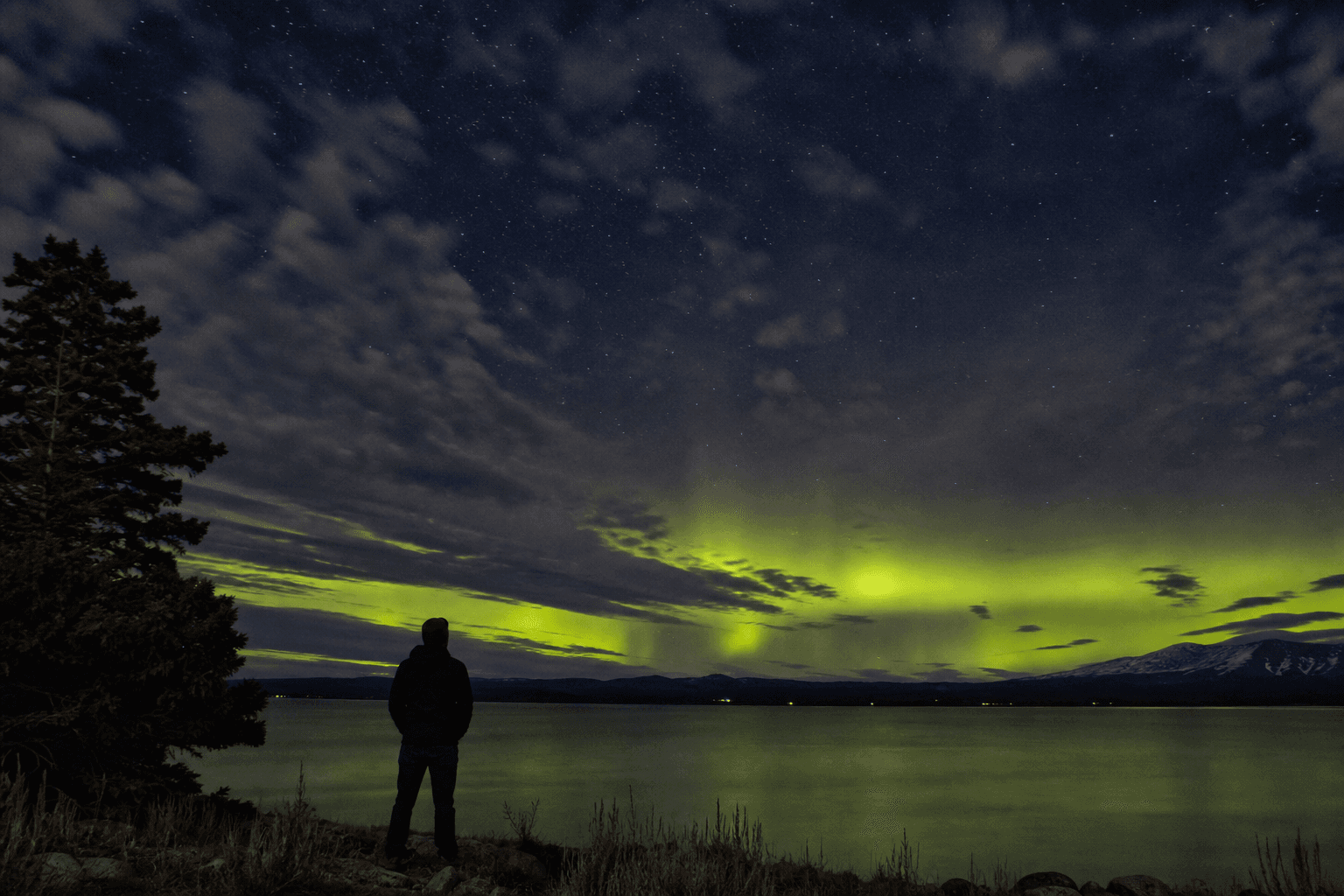
Why Is the Aurora So Hard to Predict?
Aurora forecasts can be useful, but they are never perfect. Solar activity, magnetic-field direction, cloud cover, and local darkness all make the northern lights harder to predict than most people expect.
The chances of seeing the northern lights in San Francisco are extremely low. San Francisco's latitude of around 37 degrees north makes it very rare to witness this natural phenomenon so far south. Northern lights, also known as the aurora borealis, are typically visible in regions much closer to the North Pole.
Unlikely tonight
The forecast does not currently show enough aurora activity for this location. Check again later or compare places farther north.
Practical viewing window: 7:39 PM–6:30 AM local time
Tonight
Sep 19
Tomorrow
Sep 20
Monday
Sep 21
Aurora Now
Local viewing guide
The chances of seeing the northern lights in San Francisco are extremely low. San Francisco's latitude of around 37 degrees north makes it very rare to witness this natural phenomenon so far south. Northern lights, also known as the aurora borealis, are typically visible in regions much closer to the North Pole.
To catch a glimpse of the northern lights, you would typically need to be at a latitude of 60 degrees north or higher. This means that cities like San Francisco, located significantly below that latitude, are not in the prime viewing zone for this breathtaking display of lights in the night sky.
However, extremely rare instances of intense solar activity can sometimes push the aurora borealis further south, increasing the chances of seeing them from locations like San Francisco. While it is not impossible, it is certainly not something that can be expected regularly. For the best chances of seeing the northern lights, heading further north to places like Alaska, Iceland, or Scandinavia would be more rewarding.
The current aurora chance for San Francisco is None. Use the local viewing guide above for San Francisco-specific context, then combine the live rating with darkness and weather.
A none or near-none chance in San Francisco usually means tonight is not a strong aurora setup for this location. It is still useful context, because you can compare later updates or look at cities farther north for better odds.
Use these pages to compare San Francisco with other forecast locations, understand why visibility changes, and plan the next place to watch.
Learn
Read these guides when the San Francisco forecast looks interesting but you still need help judging darkness, season, or viewing conditions.
Aurora forecasts can be useful, but they are never perfect. Solar activity, magnetic-field direction, cloud cover, and local darkness all make the northern lights harder to predict than most people expect.
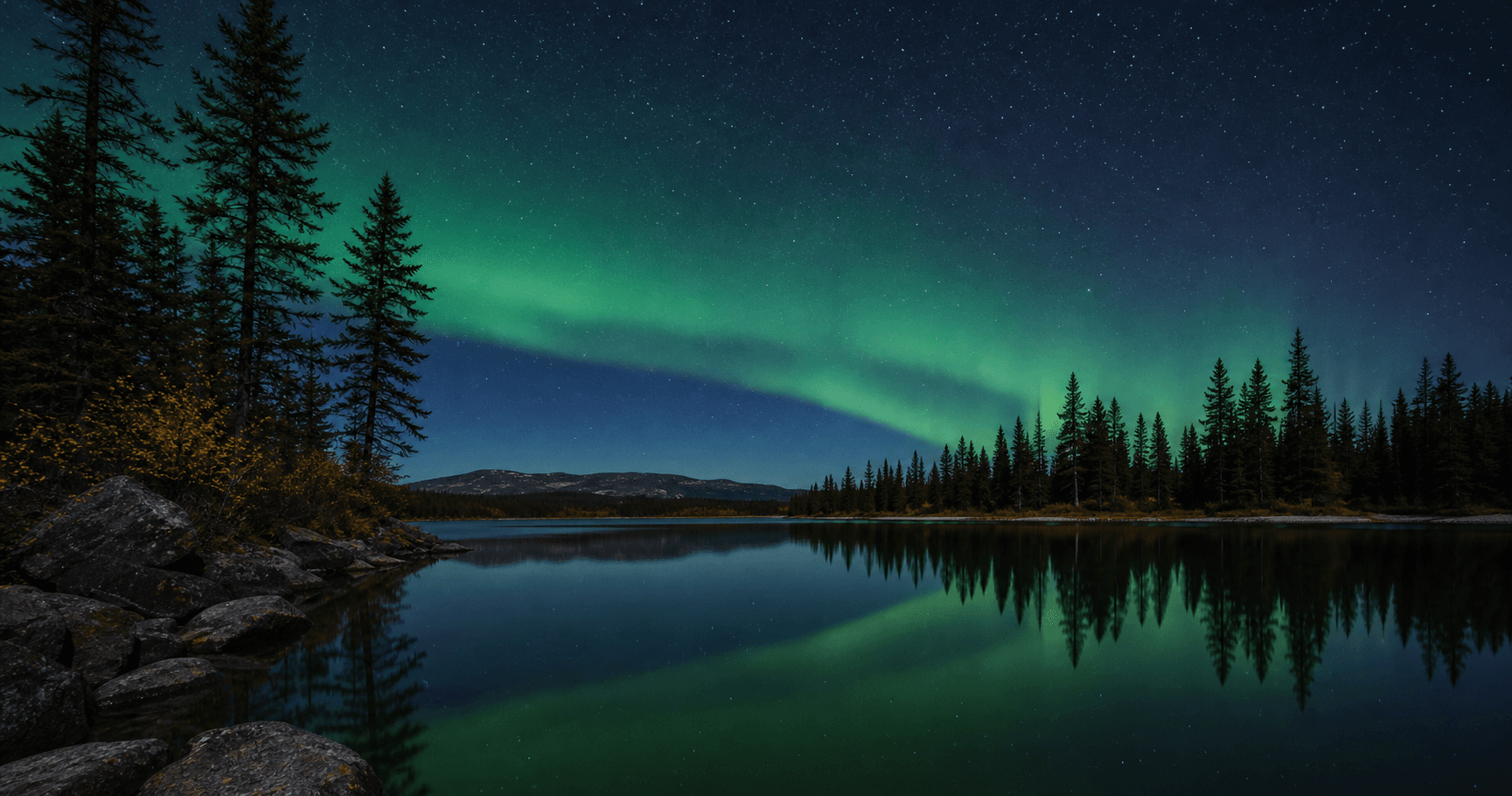
The best time to see the northern lights in the U.S. is usually from late fall through early spring, especially in northern states with dark skies and strong geomagnetic activity.
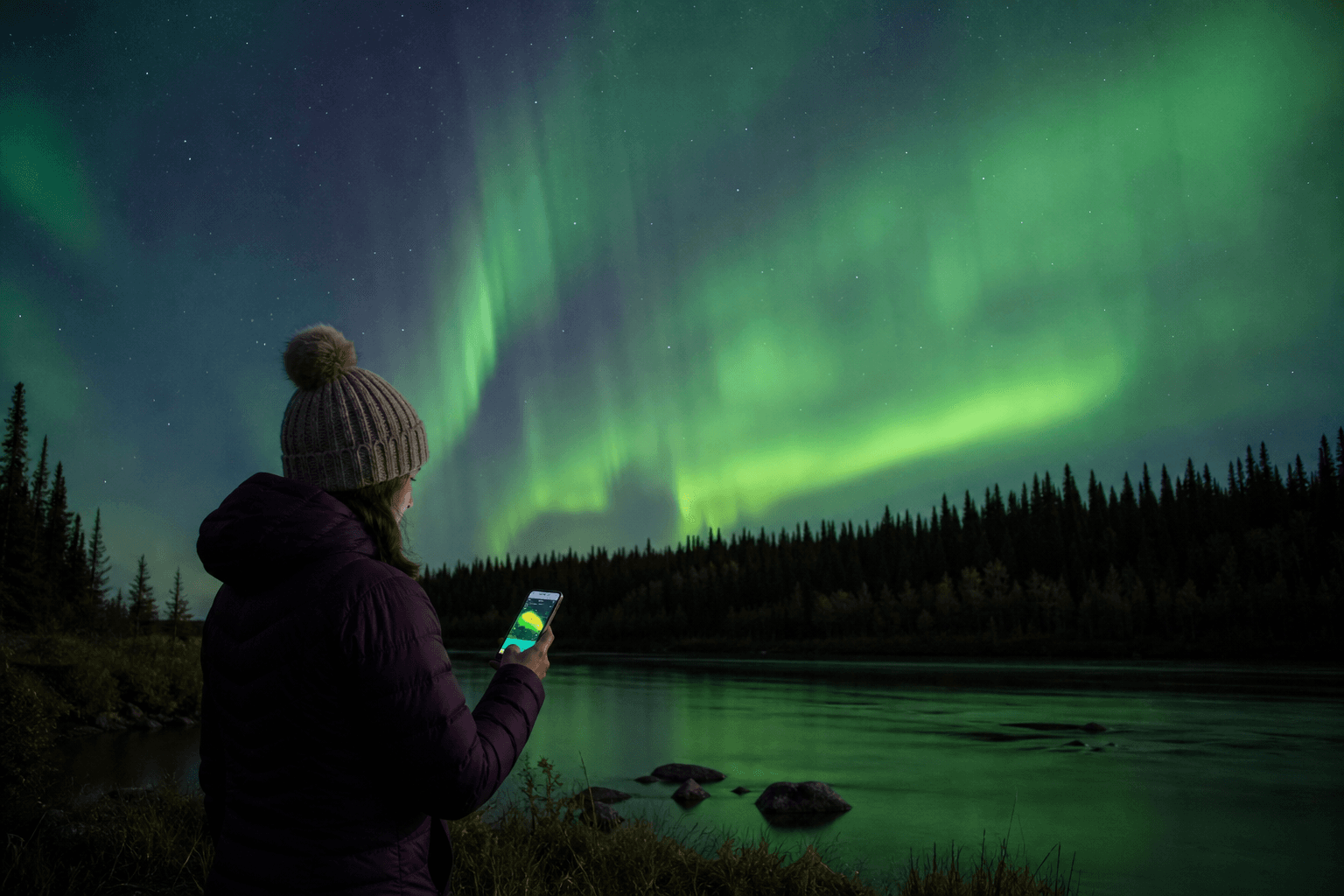
An aurora forecast is easier to read when you know what matters most: geomagnetic activity, darkness, cloud cover, and your location. Here is how to turn the numbers into a better yes-or-no decision.