Why Is the Aurora So Hard to Predict?
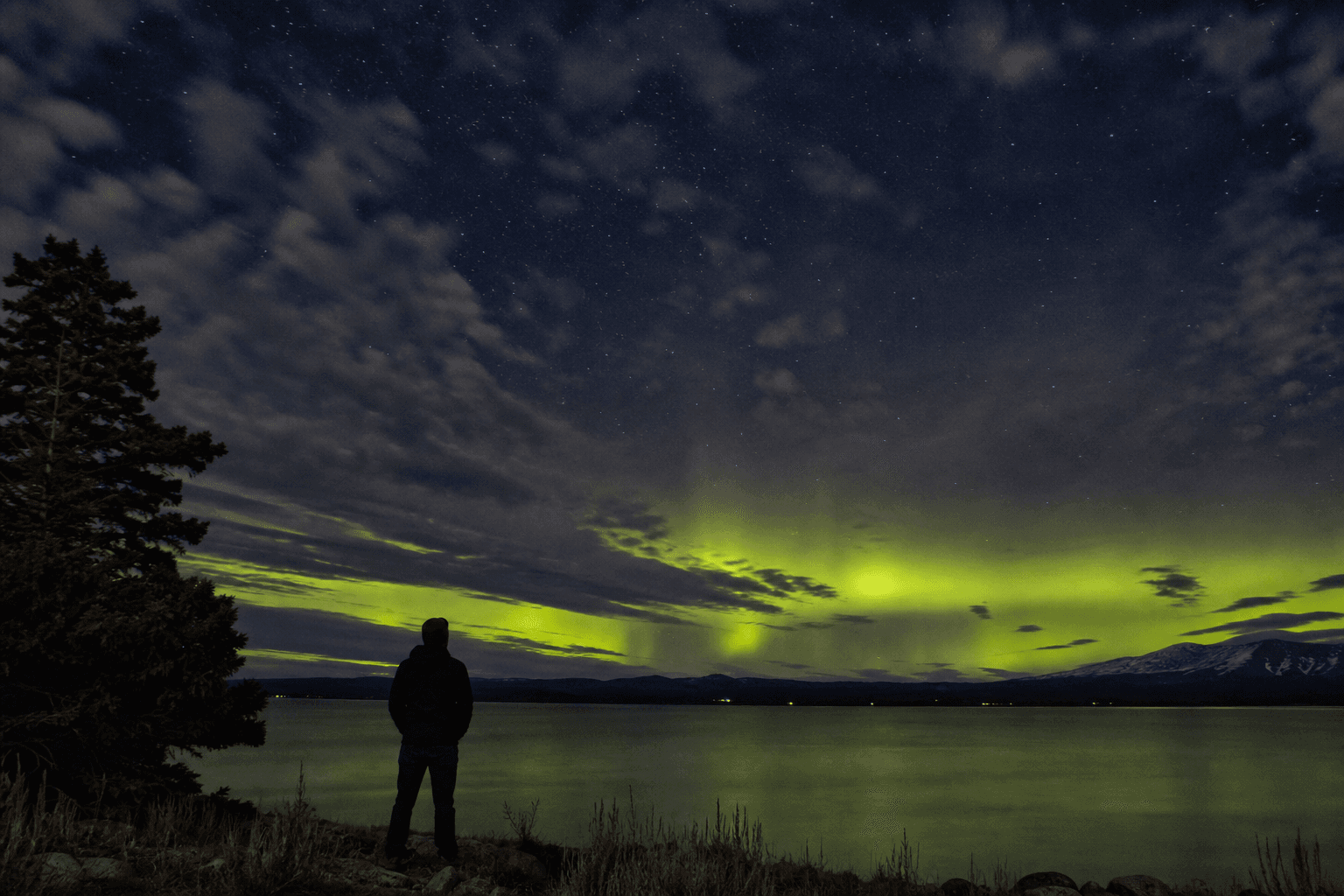
Aurora forecasts can be useful, but they are never perfect. Solar activity, magnetic-field direction, cloud cover, and local darkness all make the northern lights harder to predict than most people expect.
See Rochester, New York’s northern lights forecast tonight, with Lake Ontario skyline advice, urban-glow limitations, and local cloud considerations.
Unlikely tonight
The forecast does not currently show enough aurora activity for this location. Check again later or compare places farther north.
Practical viewing window: 7:42 PM–6:29 AM local time
Tonight
Sep 20
Tomorrow
Sep 21
Tuesday
Sep 22
Early outlook — more hours will be added
Aurora Now
Local viewing guide
Rochester can see aurora during stronger geomagnetic activity, especially when the northern sky is clear beyond the city lights. This forecast refers to Rochester, New York, near Lake Ontario, not other cities sharing the name.
Suitable public locations on the lake's southern shore can offer a broad view north across the water. Choose a spot away from direct lamps, checking whether piers, trees, or buildings interrupt the horizon. The city-center forecast does not guarantee identical cloud conditions at the shoreline.
Lake-effect cloud can obscure an otherwise promising night. Longer autumn and winter darkness helps with timing, while summer sightings require waiting later into the evening. Remain on land rather than approaching icy or exposed shore structures for a photograph. Compare Buffalo farther west or Toronto across the wider lake region, and check local clouds before deciding to drive.
The current aurora chance for Rochester is None. Use the local viewing guide above for Rochester-specific context, then combine the live rating with darkness and weather.
A none or near-none chance in Rochester usually means tonight is not a strong aurora setup for this location. It is still useful context, because you can compare later updates or look at cities farther north for better odds.
Use these pages to compare Rochester with other forecast locations, understand why visibility changes, and plan the next place to watch.
Learn
Read these guides when the Rochester forecast looks interesting but you still need help judging darkness, season, or viewing conditions.
Aurora forecasts can be useful, but they are never perfect. Solar activity, magnetic-field direction, cloud cover, and local darkness all make the northern lights harder to predict than most people expect.
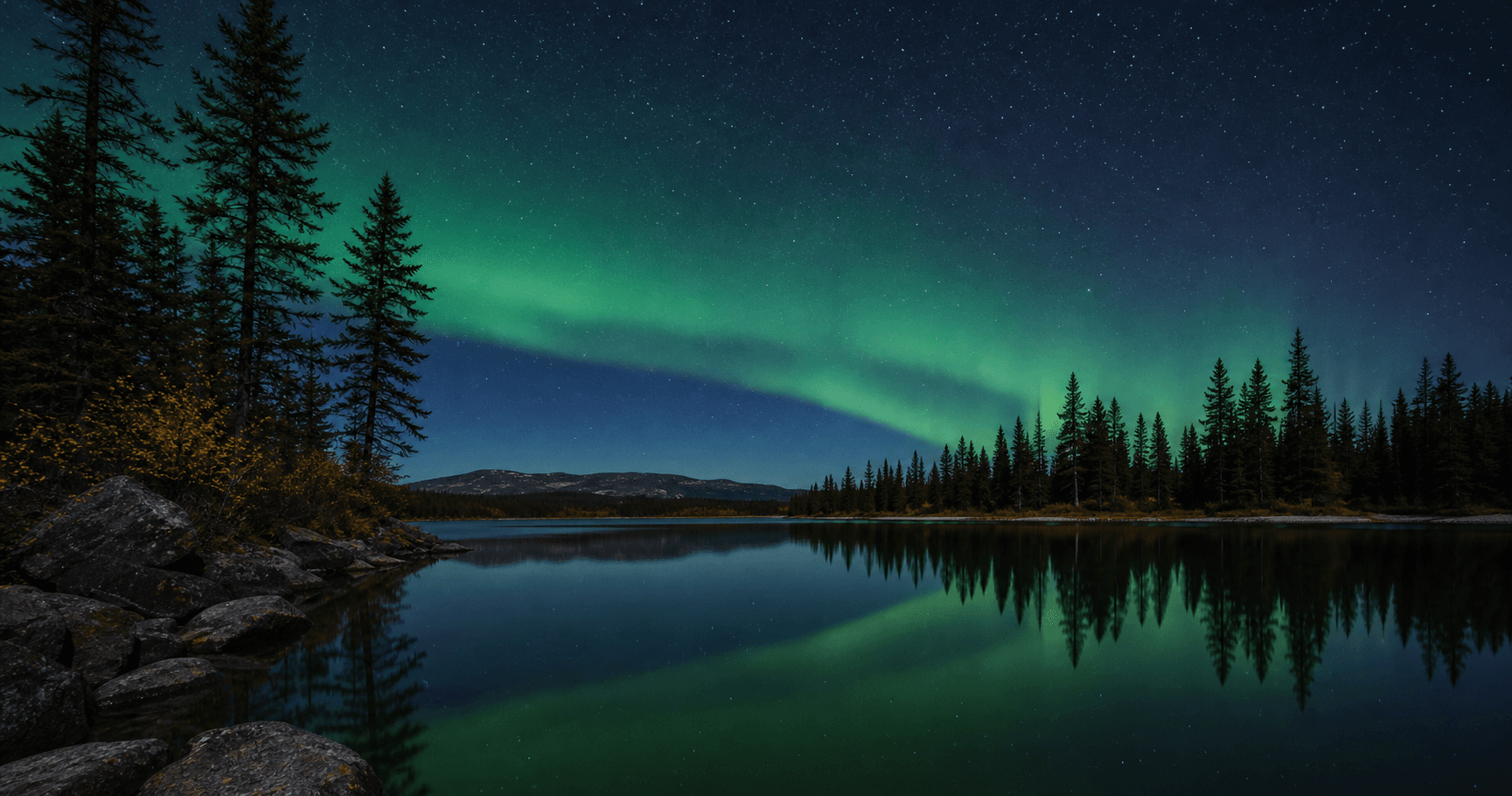
The best time to see the northern lights in the U.S. is usually from late fall through early spring, especially in northern states with dark skies and strong geomagnetic activity.
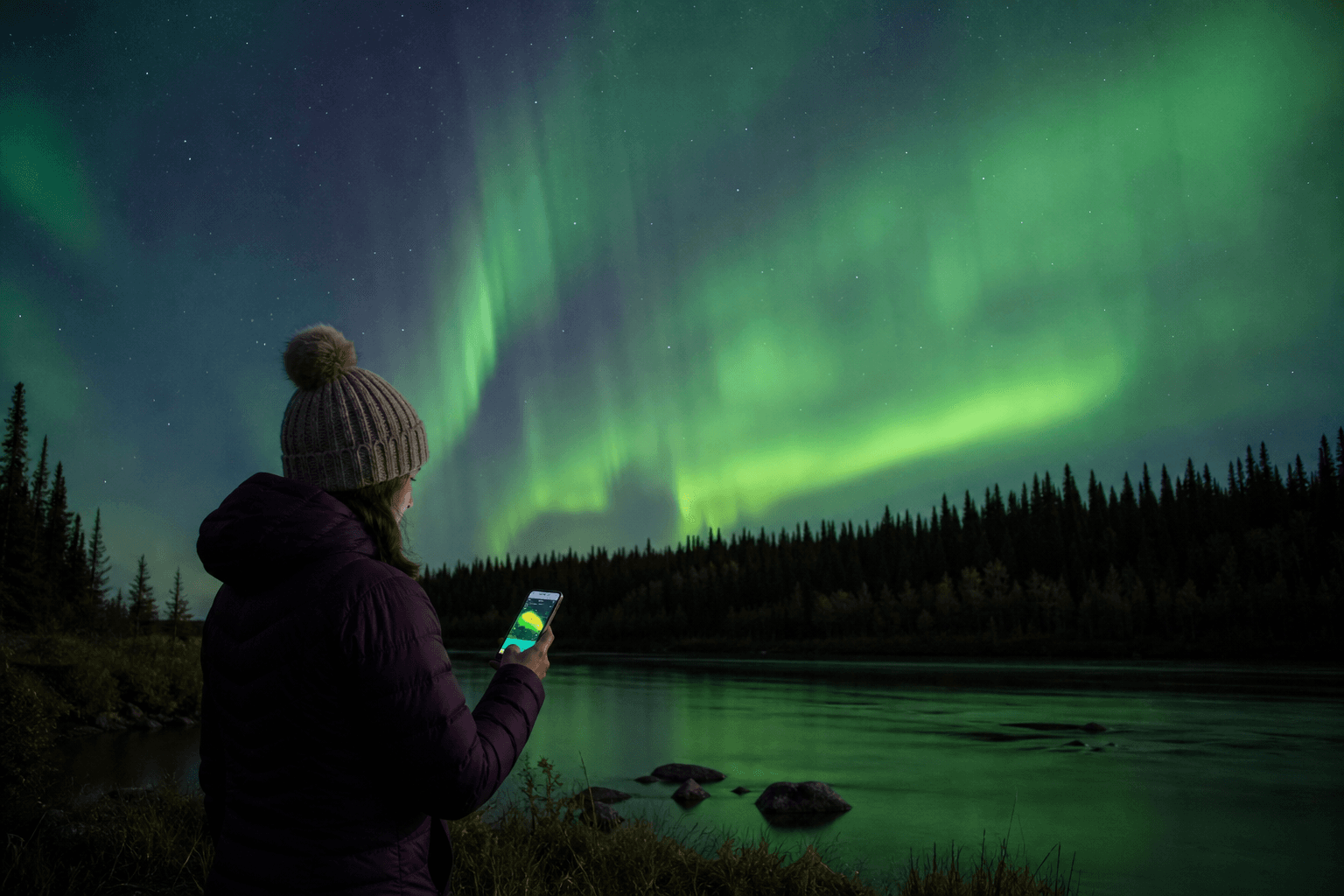
An aurora forecast is easier to read when you know what matters most: geomagnetic activity, darkness, cloud cover, and your location. Here is how to turn the numbers into a better yes-or-no decision.