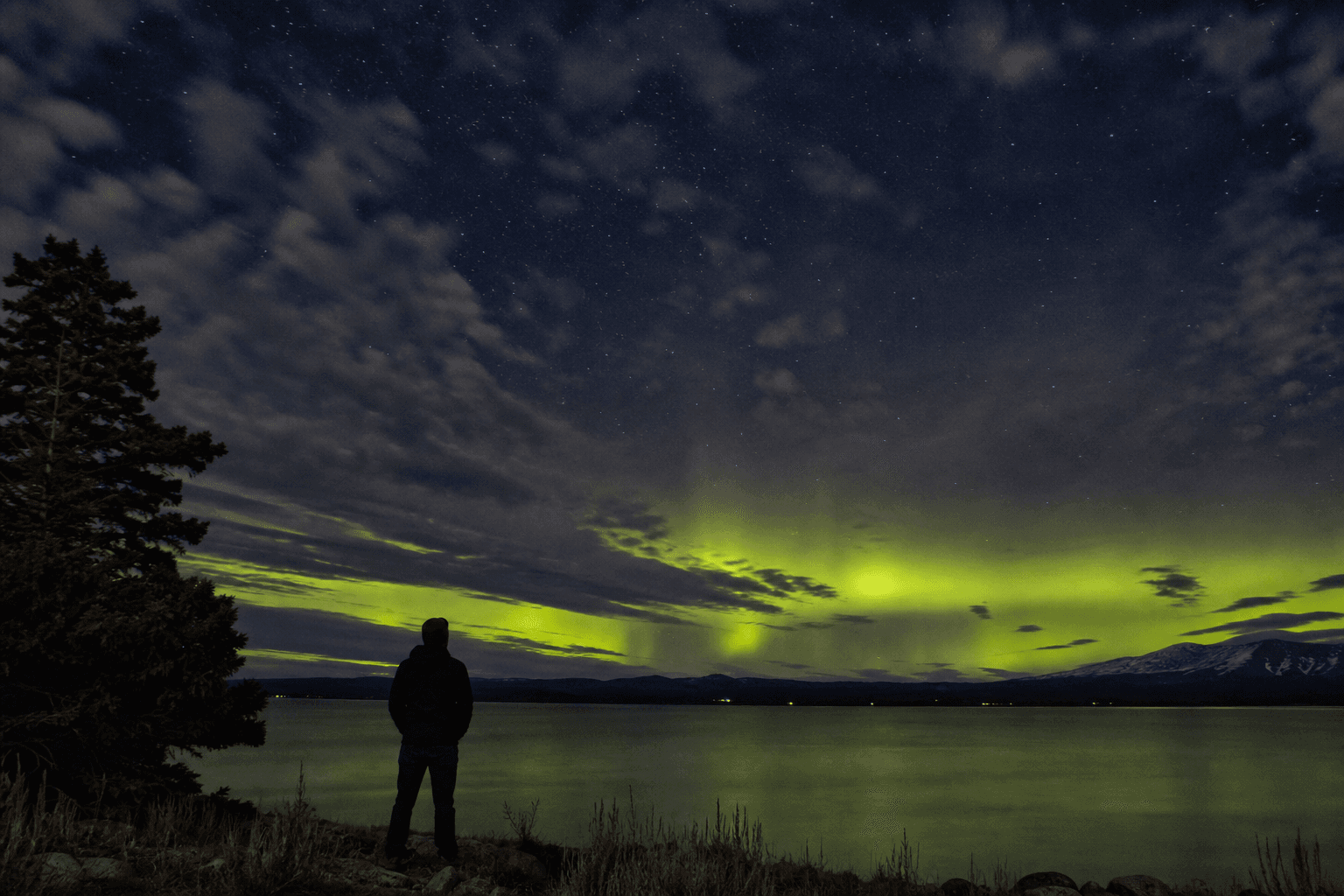
Why Is the Aurora So Hard to Predict?
Aurora forecasts can be useful, but they are never perfect. Solar activity, magnetic-field direction, cloud cover, and local darkness all make the northern lights harder to predict than most people expect.
Check Pittsburgh’s northern lights forecast tonight, with realistic storm expectations and advice on hills, valley views, and escaping city light.
Unlikely tonight
The forecast does not currently show enough aurora activity for this location. Check again later or compare places farther north.
Practical viewing window: 7:50 PM–6:40 AM local time
Tonight
Sep 20
Tomorrow
Sep 21
Tuesday
Sep 22
Early outlook — more hours will be added

Aurora Now
Local viewing guide
Northern lights in Pittsburgh are an occasional strong-storm event. Faint aurora can be lost in the city’s glow, so even an elevated forecast does not mean a display will be obvious from a downtown street or window.
Pittsburgh’s river valleys and steep hills can restrict the northern skyline. A viewpoint with a spectacular view of downtown may put the brightest light pollution directly in your line of sight. Look instead for a legal, accessible open area with a clear northern view and less urban glow ahead of you.
A low arc may show up more clearly in a camera exposure than to the eye. Give your eyes time to adjust and avoid repeatedly checking a bright phone screen. Clear weather remains essential, whatever the geomagnetic activity. The outlook for Cleveland offers a comparison farther north, while the US directory helps you check other locations without assuming a long drive will improve conditions.
The current aurora chance for Pittsburgh is None. Use the local viewing guide above for Pittsburgh-specific context, then combine the live rating with darkness and weather.
A none or near-none chance in Pittsburgh usually means tonight is not a strong aurora setup for this location. It is still useful context, because you can compare later updates or look at cities farther north for better odds.
Use these pages to compare Pittsburgh with other forecast locations, understand why visibility changes, and plan the next place to watch.
Learn
Read these guides when the Pittsburgh forecast looks interesting but you still need help judging darkness, season, or viewing conditions.
Aurora forecasts can be useful, but they are never perfect. Solar activity, magnetic-field direction, cloud cover, and local darkness all make the northern lights harder to predict than most people expect.
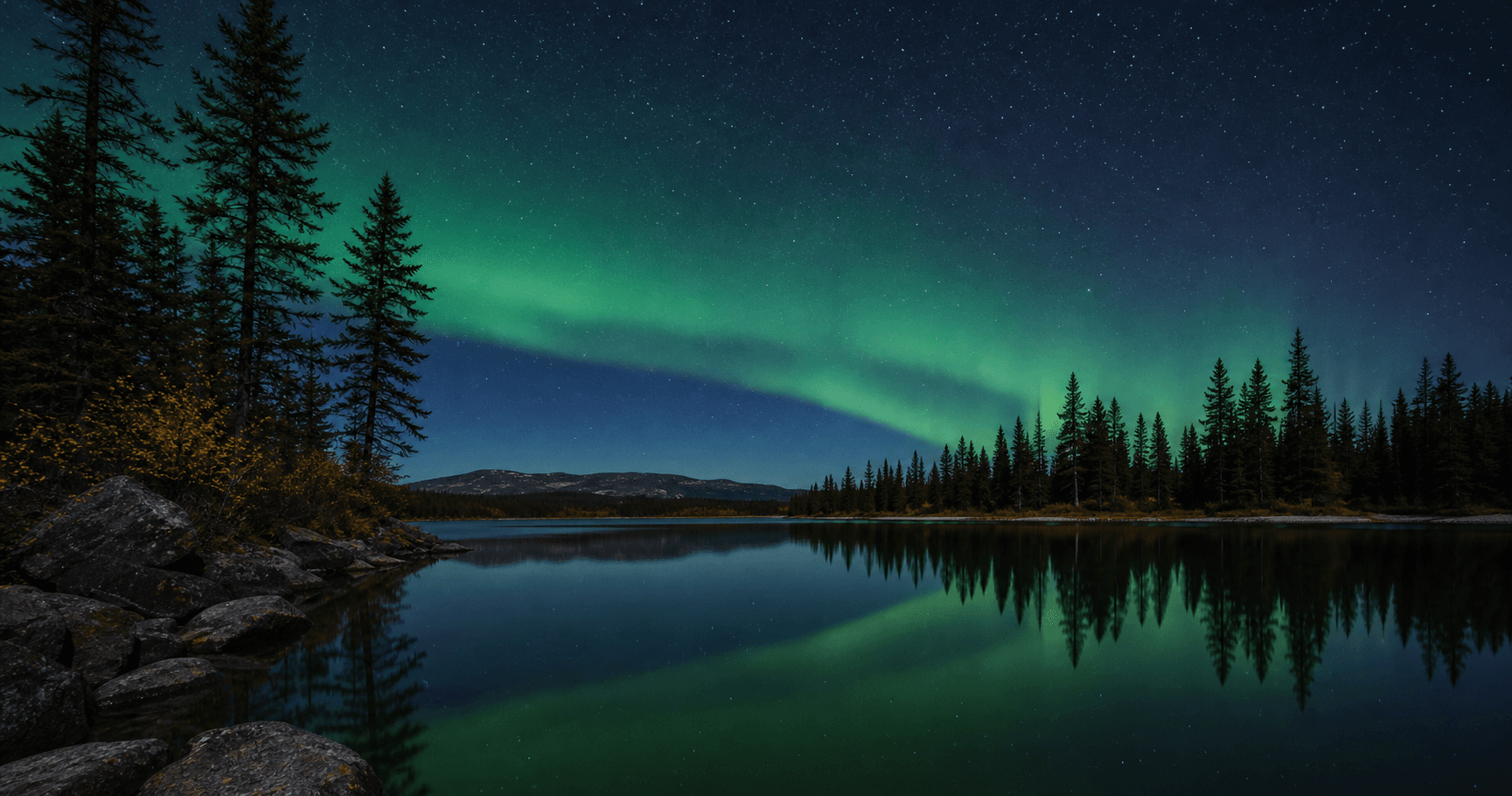
The best time to see the northern lights in the U.S. is usually from late fall through early spring, especially in northern states with dark skies and strong geomagnetic activity.
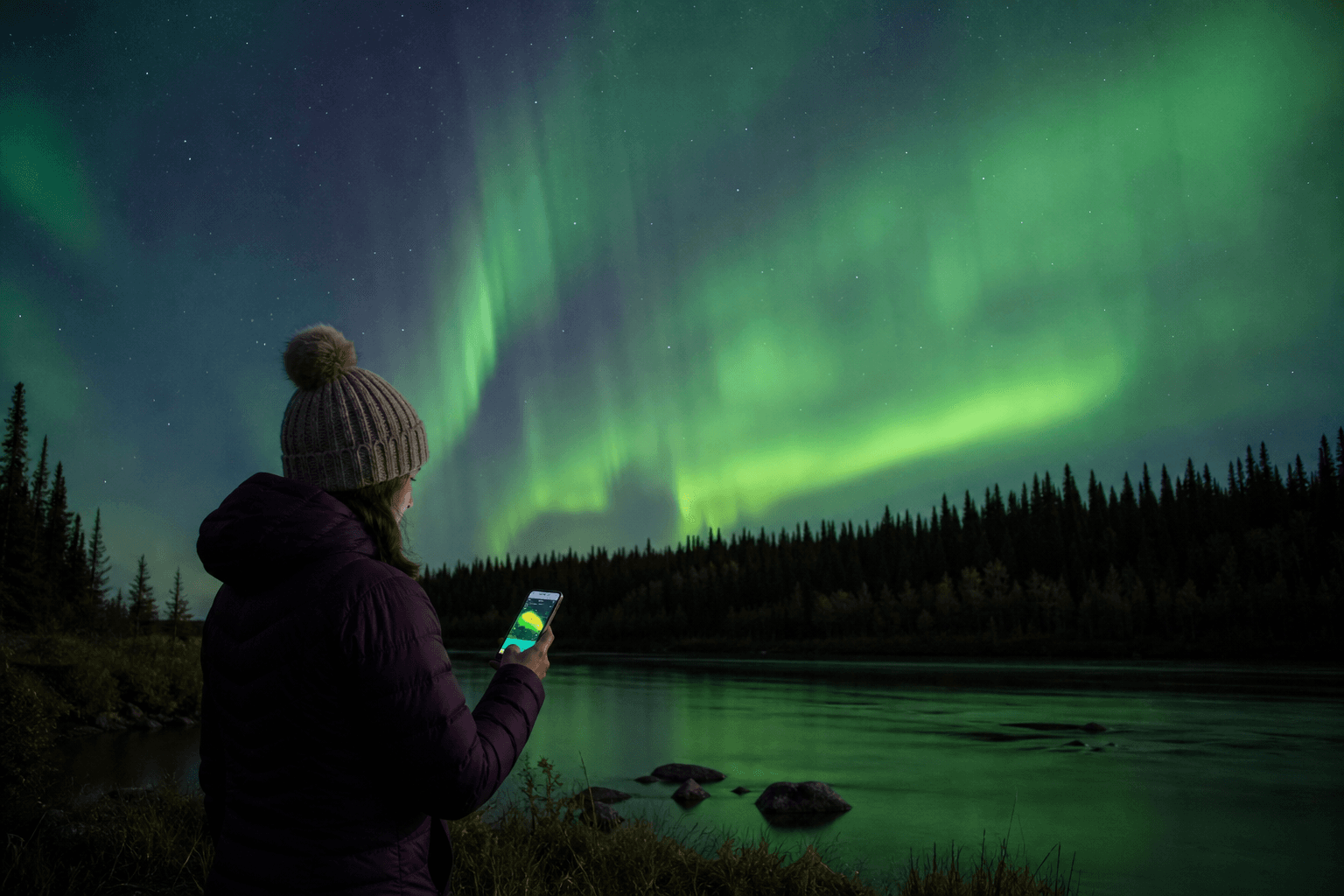
An aurora forecast is easier to read when you know what matters most: geomagnetic activity, darkness, cloud cover, and your location. Here is how to turn the numbers into a better yes-or-no decision.