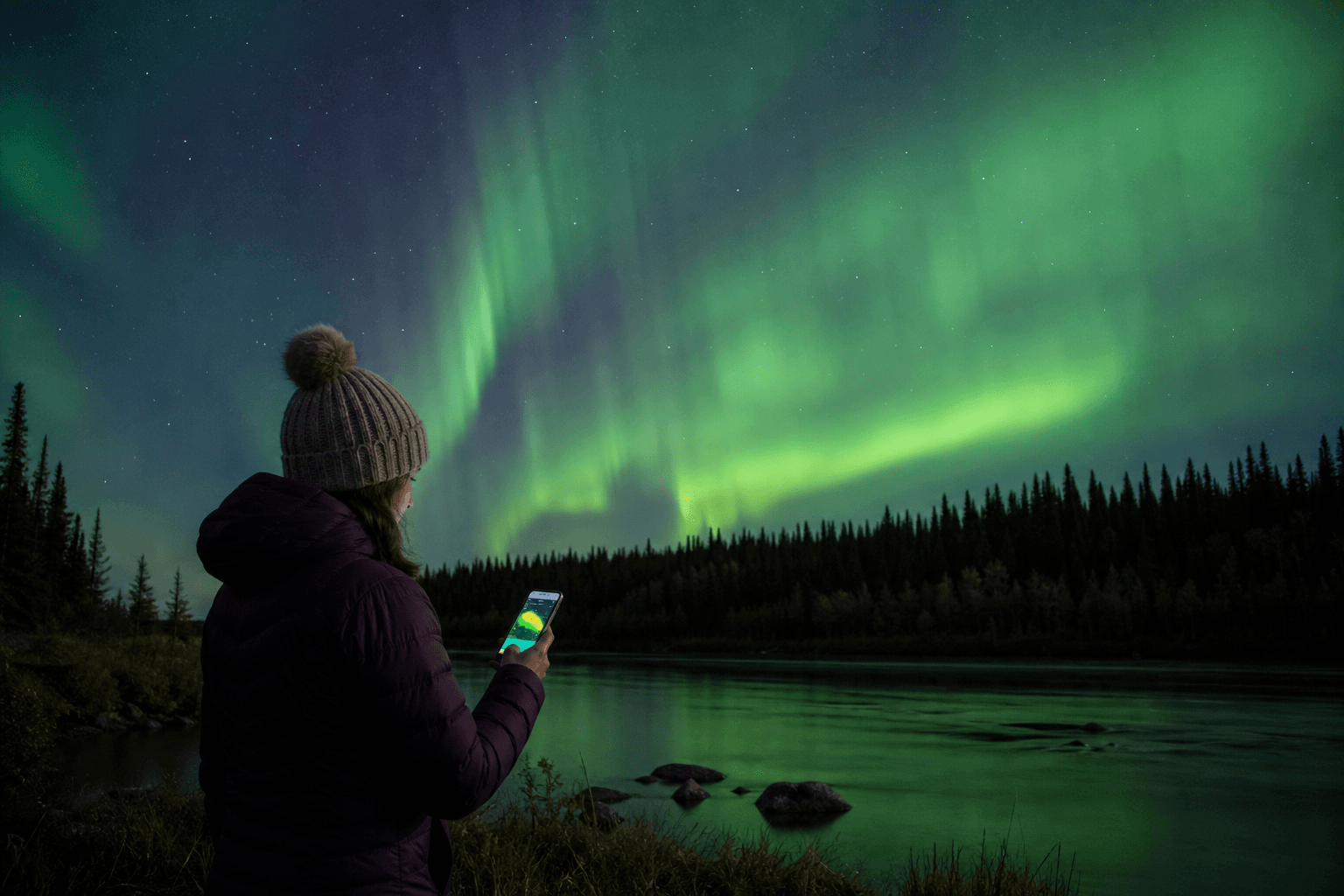
How to Read an Aurora Forecast
An aurora forecast is easier to read when you know what matters most: geomagnetic activity, darkness, cloud cover, and your location. Here is how to turn the numbers into a better yes-or-no decision.
Check Stornoway’s aurora forecast tonight, with Isle of Lewis coastal-view advice, harbor lighting, and Outer Hebrides weather considerations.
Marginal forecast
A faint or brief display is possible, but the aurora may stay too weak or too far north. Wait for darkness and check for updates.
Practical viewing window: 4:56 PM–7:28 AM local time
Tonight
Nov 14
Partial forecast coverage (49%)
Tomorrow
Nov 15
Partial forecast coverage (51%)
Monday
Nov 16
Aurora Now
Local viewing guide
Stornoway is a useful base for aurora watching on the Isle of Lewis during active periods. The forecast is centered on the town, not the whole of Lewis and Harris. Clear patches can differ across the islands.
An open coastal skyline can help reveal a low display, but the harbor's direction and lighting may not suit that purpose. Look for public access away from direct lamps with a clear view north. Open moorland can offer broad sky, while exposed coasts require care in wind and darkness.
VisitScotland includes Lewis and Harris among its aurora areas. Long autumn and winter nights offer time to wait, though cloud can still decide the outcome. Summer twilight sharply reduces the viewing window. Compare the Isle of Skye or Thurso for other northern Scottish forecasts when planning a wider journey.
The current aurora chance for Stornoway is Low. Use the local viewing guide above for Stornoway-specific context, then combine the live rating with darkness and weather.
A low chance in Stornoway usually means the setup is marginal. The aurora may stay faint, remain farther north, or only become visible briefly, so expectations should stay conservative unless the forecast strengthens later.
Use these pages to compare Stornoway with other forecast locations, understand why visibility changes, and plan the next place to watch.
Learn
Read these guides when the Stornoway forecast looks interesting but you still need help judging darkness, season, or viewing conditions.
An aurora forecast is easier to read when you know what matters most: geomagnetic activity, darkness, cloud cover, and your location. Here is how to turn the numbers into a better yes-or-no decision.
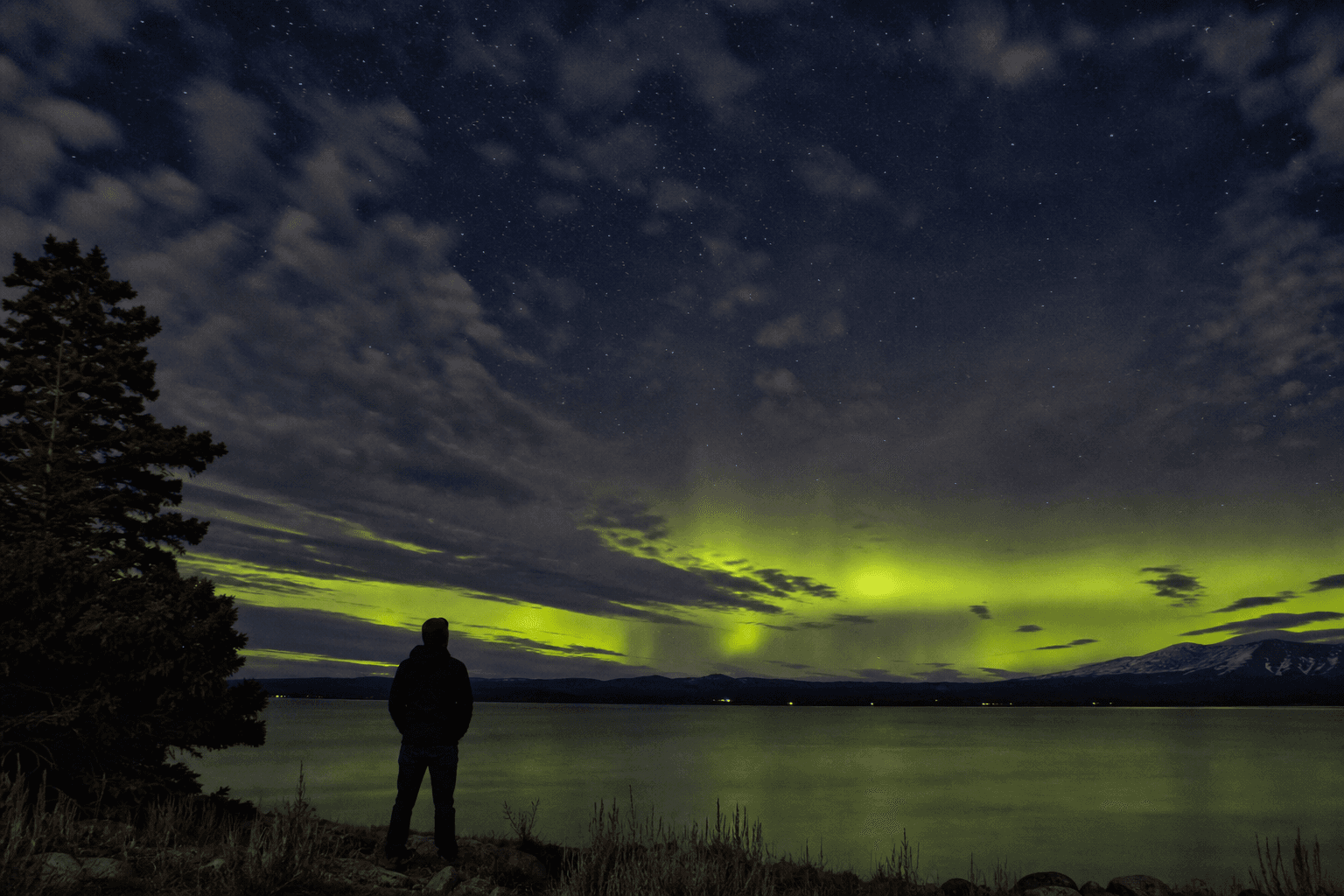
Aurora forecasts can be useful, but they are never perfect. Solar activity, magnetic-field direction, cloud cover, and local darkness all make the northern lights harder to predict than most people expect.
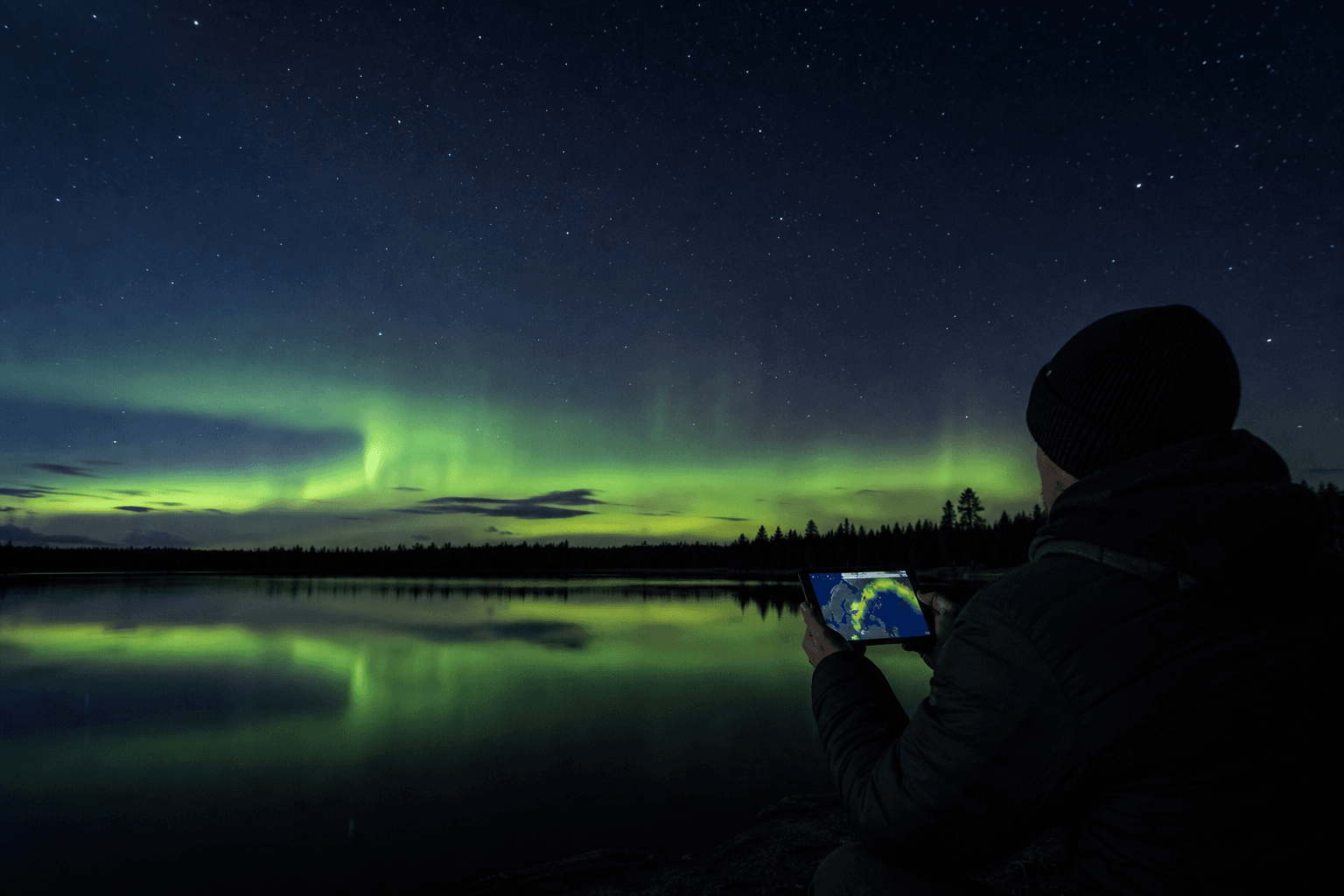
The KP index is one of the most common numbers in aurora forecasts, but it works best as a rough guide, not a promise. Here is what it means and how casual northern lights watchers should use it.