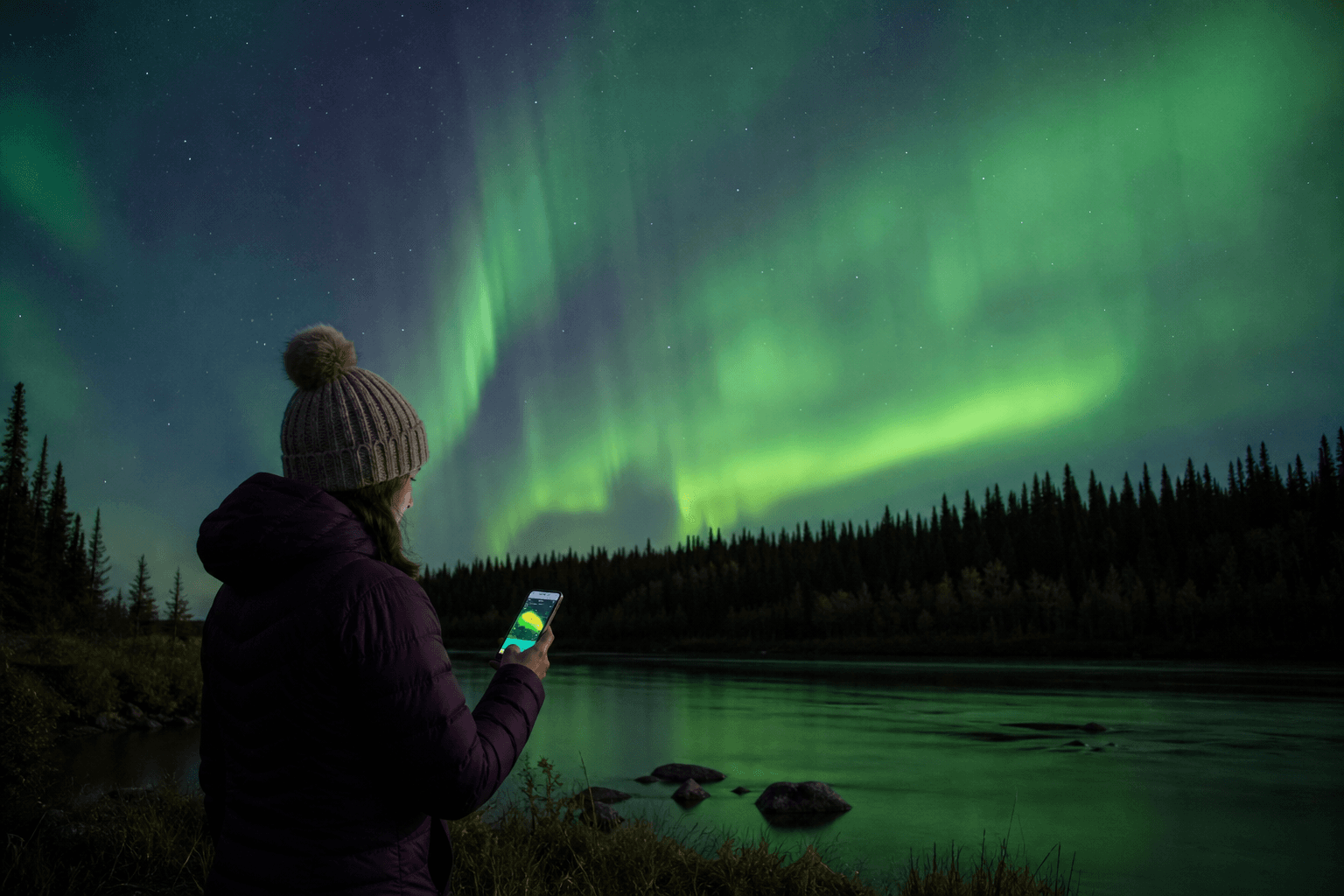
How to Read an Aurora Forecast
An aurora forecast is easier to read when you know what matters most: geomagnetic activity, darkness, cloud cover, and your location. Here is how to turn the numbers into a better yes-or-no decision.
Oslo can occasionally see the northern lights during stronger geomagnetic activity, provided the sky is clear and the northern horizon is dark.
Marginal forecast
A faint or brief display is possible, but the aurora may stay too weak or too far north. Wait for darkness and check for updates.
Practical viewing window: 8:08 PM–6:17 AM local time
Tonight
Sep 20
Tomorrow
Sep 21
Tuesday
Sep 22

Aurora Now
Local viewing guide
At roughly 59.9° north in Norway, Oslo can see the northern lights when geomagnetic activity becomes strong enough to move the aurora farther south. Displays are occasional rather than routine and may begin low on the northern horizon. As a bright capital in southern Norway, Oslo benefits most when strong activity is paired with a darker view beyond the urban core.
Oslo has enough urban lighting to wash out a weak display, particularly near the center. If activity looks promising, choose a safe, open viewpoint away from the brightest districts and avoid lamps shining directly into your eyes.
Longer nights from autumn through early spring provide the best opportunity to notice a faint display. Darkness alone is not enough, though; the aurora forecast must strengthen and the local sky must stay clear at the same time.
Aurora conditions can change during the night, so keep checking the forecast rather than relying on an earlier reading. From Oslo, the best plan combines clear weather, an unobstructed northern horizon, patience, and as little artificial light as practical.
The current aurora chance for Oslo is None. Use the local viewing guide above for Oslo-specific context, then combine the live rating with darkness and weather.
A none or near-none chance in Oslo usually means tonight is not a strong aurora setup for this location. It is still useful context, because you can compare later updates or look at cities farther north for better odds.
Use these pages to compare Oslo with other forecast locations, understand why visibility changes, and plan the next place to watch.
Learn
Read these guides when the Oslo forecast looks interesting but you still need help judging darkness, season, or viewing conditions.
An aurora forecast is easier to read when you know what matters most: geomagnetic activity, darkness, cloud cover, and your location. Here is how to turn the numbers into a better yes-or-no decision.
Aurora forecasts can be useful, but they are never perfect. Solar activity, magnetic-field direction, cloud cover, and local darkness all make the northern lights harder to predict than most people expect.
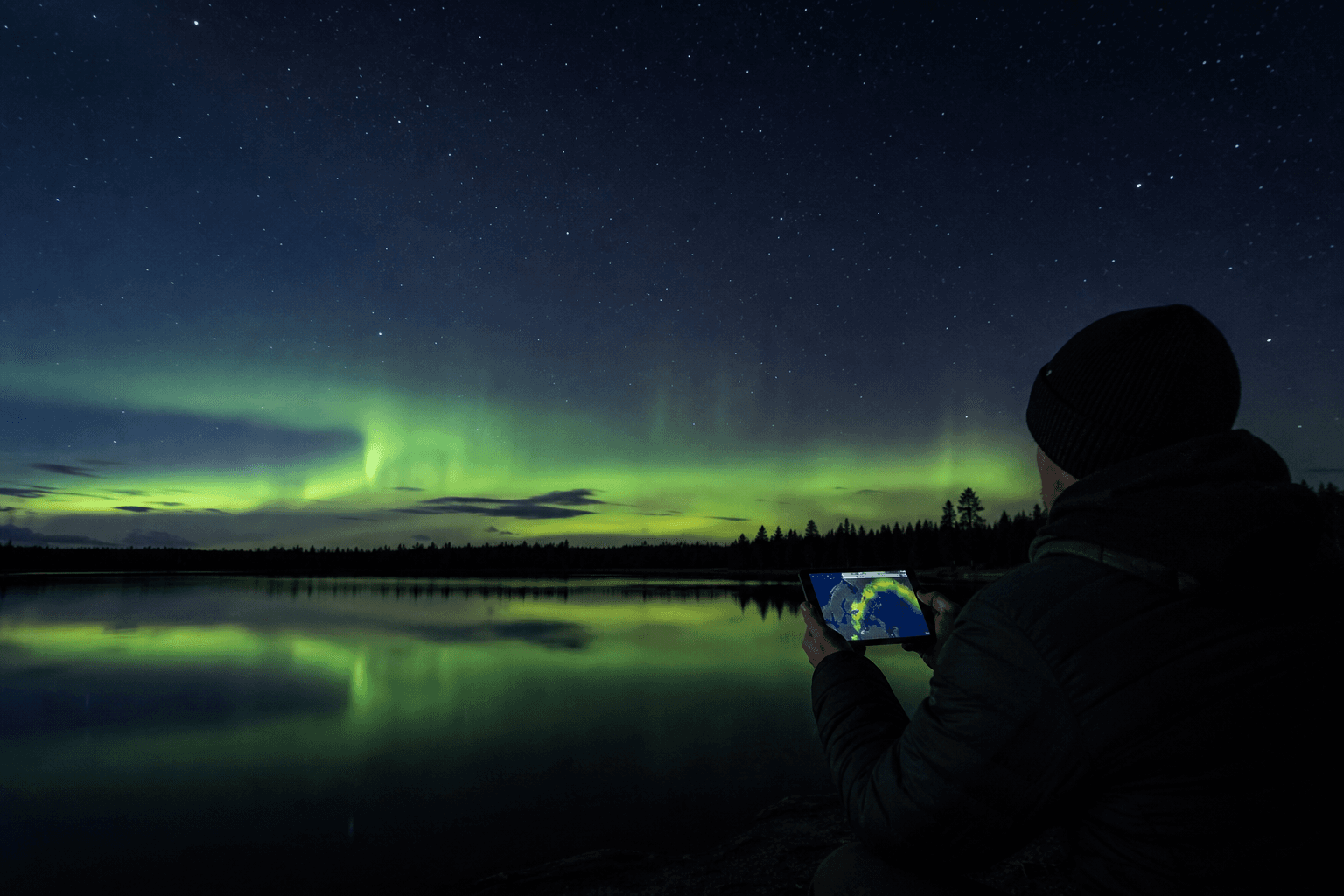
The KP index is one of the most common numbers in aurora forecasts, but it works best as a rough guide, not a promise. Here is what it means and how casual northern lights watchers should use it.