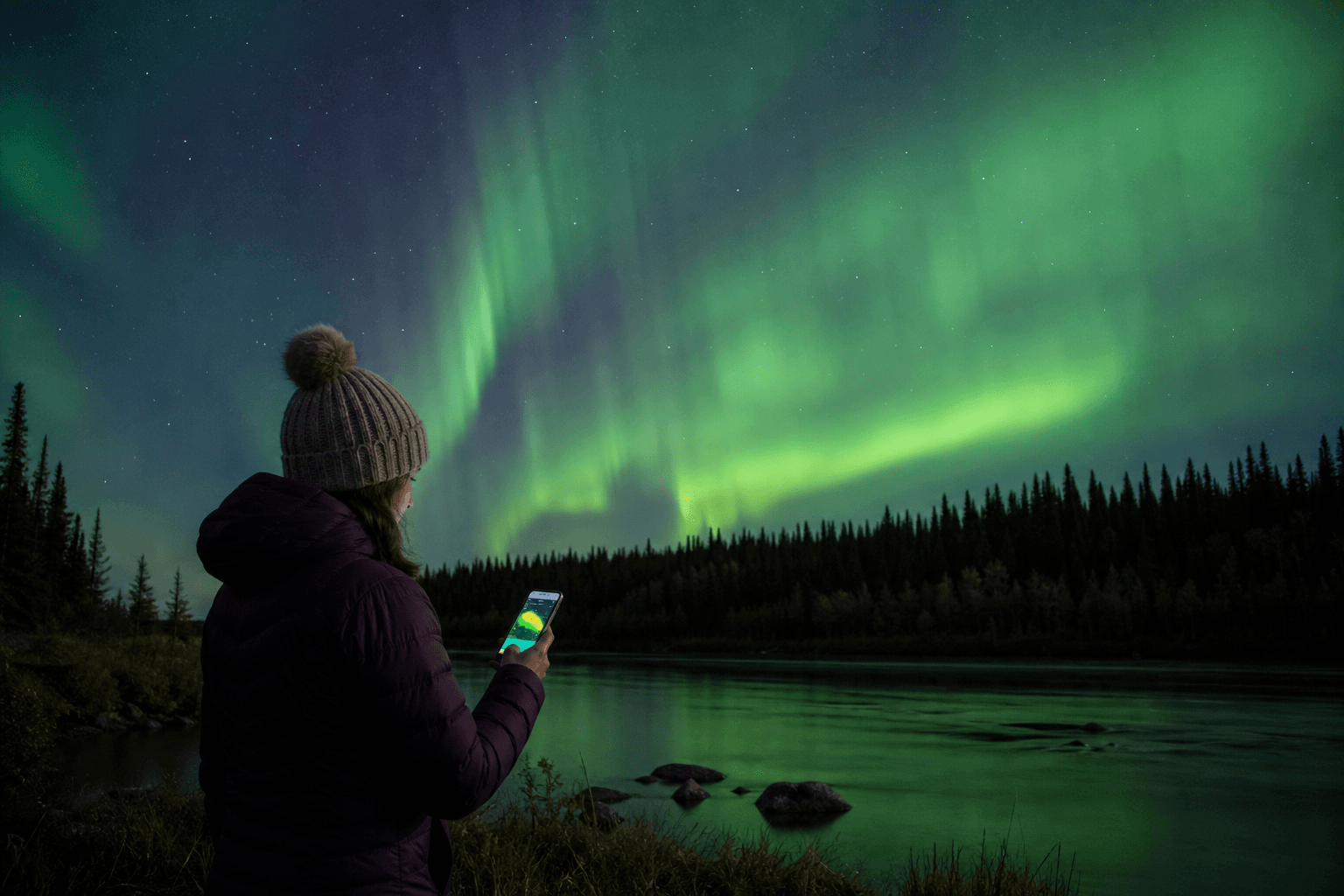
How to Read an Aurora Forecast
An aurora forecast is easier to read when you know what matters most: geomagnetic activity, darkness, cloud cover, and your location. Here is how to turn the numbers into a better yes-or-no decision.
Follow Selfoss’s northern lights forecast tonight, with Ölfusá river-view advice, town-light limitations, and comparisons around Iceland’s Golden Circle.
Marginal forecast
A faint or brief display is possible, but the aurora may stay too weak or too far north. Wait for darkness and check for updates.
Practical viewing window: 5:30 PM–8:52 AM local time
Tonight
Nov 14
Partial forecast coverage (42%)
Tomorrow
Nov 15
Partial forecast coverage (58%)
Monday
Nov 16
Aurora Now
Local viewing guide
Selfoss offers a South Iceland base for checking northern lights during dark, clear conditions. This page refers to the town on the Ölfusá River, not the waterfall named Selfoss in northern Iceland.
The surrounding lowlands can provide a broad skyline, but nearby street lamps and commercial lighting reduce contrast. Seek permitted public access away from direct lights, checking the northern horizon before settling in. The river opens some views through town, but steep banks and fast water make leaving established paths unnecessary.
Autumn through early spring offers longer dark windows. Summer twilight generally prevents useful watching even if aurora activity is high. Cloud can move across the lowlands quickly, so use the current local sky alongside the forecast. Compare Þingvellir on a Golden Circle visit or Vík farther along the south coast, allowing for different terrain and weather at each point.
The current aurora chance for Selfoss is Low. Use the local viewing guide above for Selfoss-specific context, then combine the live rating with darkness and weather.
A low chance in Selfoss usually means the setup is marginal. The aurora may stay faint, remain farther north, or only become visible briefly, so expectations should stay conservative unless the forecast strengthens later.
Use these pages to compare Selfoss with other forecast locations, understand why visibility changes, and plan the next place to watch.
Learn
Read these guides when the Selfoss forecast looks interesting but you still need help judging darkness, season, or viewing conditions.
An aurora forecast is easier to read when you know what matters most: geomagnetic activity, darkness, cloud cover, and your location. Here is how to turn the numbers into a better yes-or-no decision.
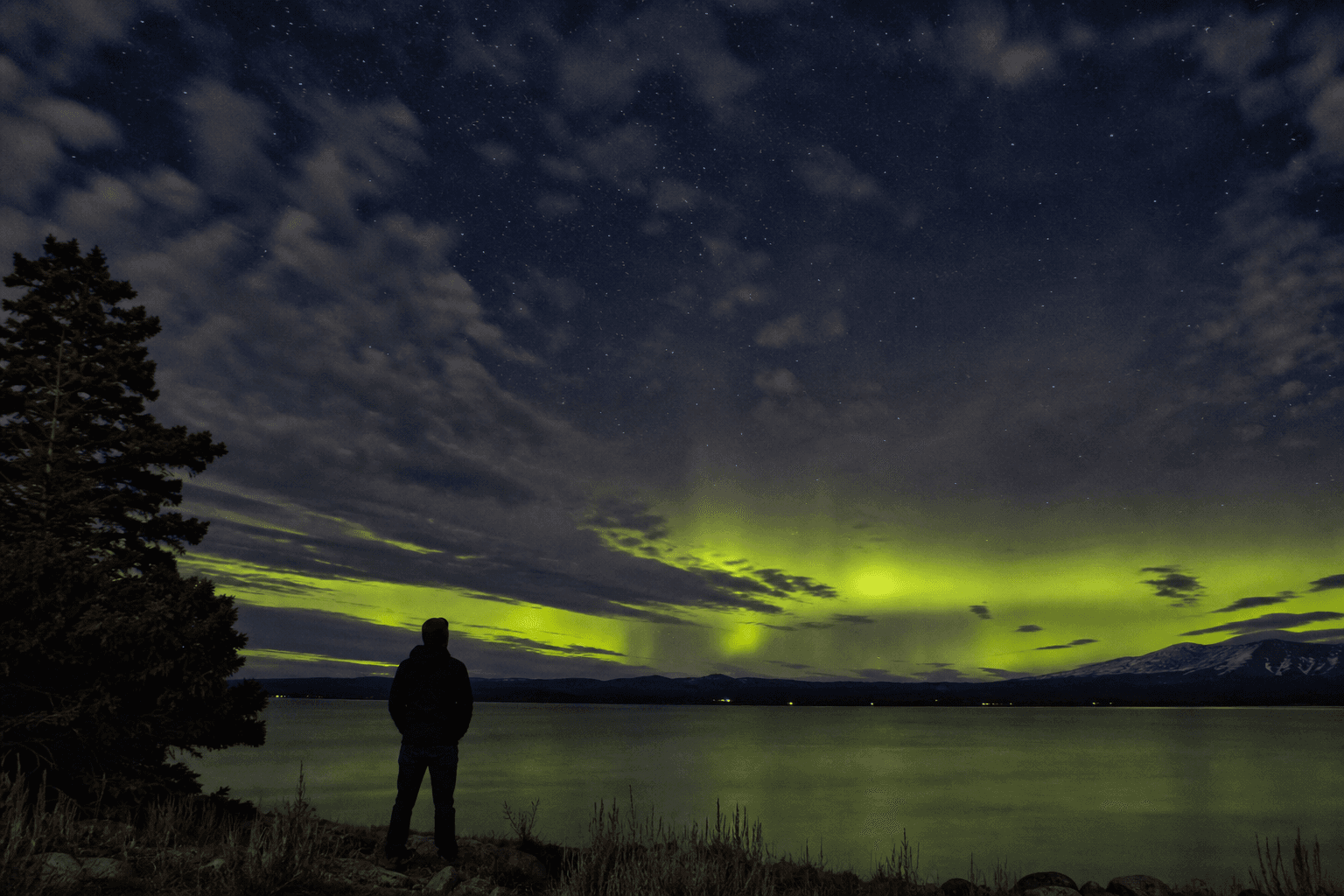
Aurora forecasts can be useful, but they are never perfect. Solar activity, magnetic-field direction, cloud cover, and local darkness all make the northern lights harder to predict than most people expect.
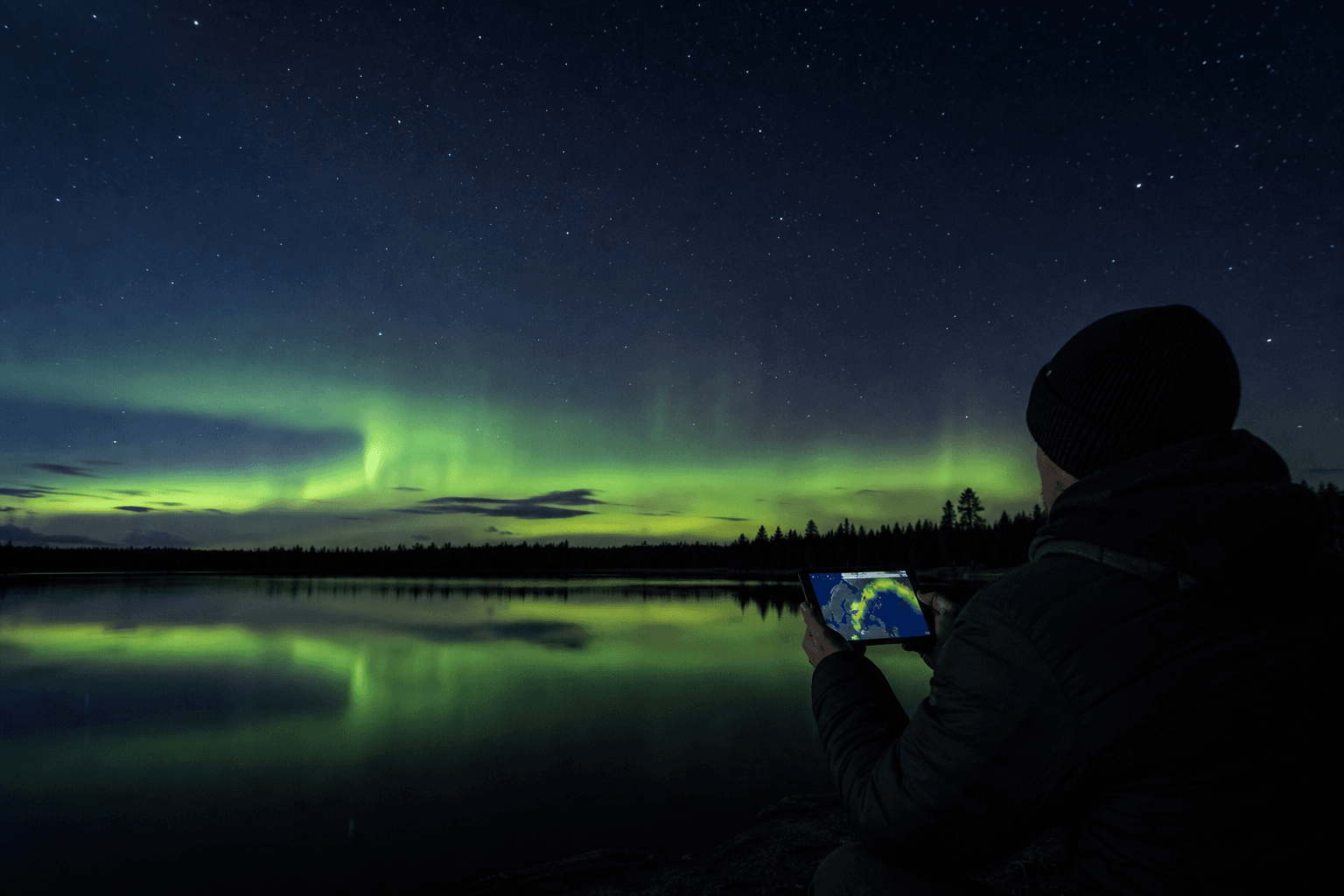
The KP index is one of the most common numbers in aurora forecasts, but it works best as a rough guide, not a promise. Here is what it means and how casual northern lights watchers should use it.