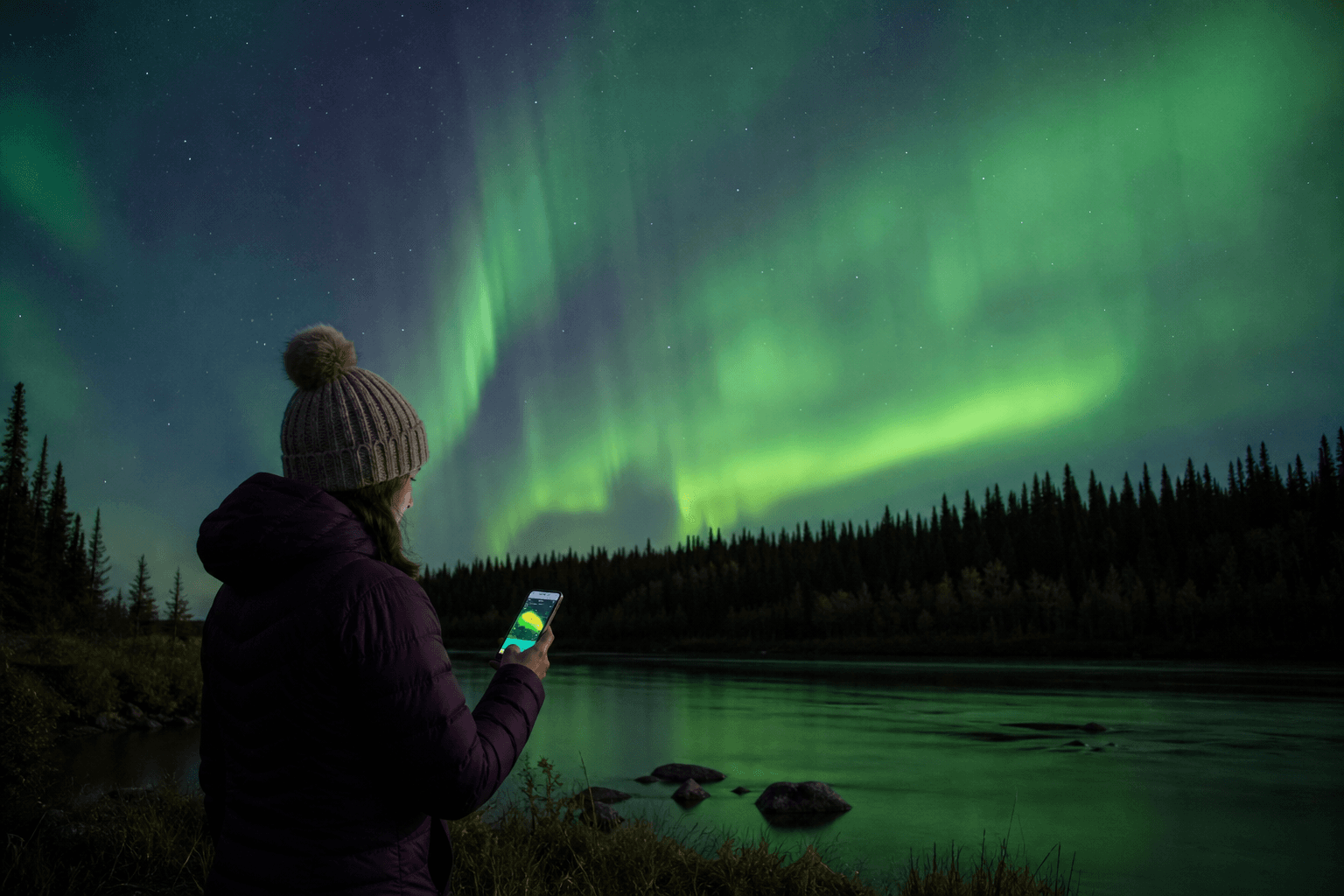
How to Read an Aurora Forecast
An aurora forecast is easier to read when you know what matters most: geomagnetic activity, darkness, cloud cover, and your location. Here is how to turn the numbers into a better yes-or-no decision.
Ivalo has strong northern lights potential during the dark season, while cloud cover, useful darkness, and local lighting still decide what can be seen.
Marginal forecast
A faint or brief display is possible, but the aurora may stay too weak or too far north. Wait for darkness and check for updates.
Practical viewing window: 8:24 PM–5:49 AM local time
Tonight
Sep 20
Tomorrow
Sep 21
Tuesday
Sep 22
Aurora Now
Local viewing guide
At roughly 68.7° north in Lapland, Ivalo is far enough north for the aurora to be a realistic part of the dark season. Active nights can bring displays across a broad part of the sky, although visibility still depends on darkness and clear weather. Ivalo is a small Lapland community, so darker viewing conditions can be easier to reach than around Finland’s southern cities.
Ivalo has limited large-city glow, but nearby lamps and buildings can still reduce night vision. A safe open area outside the brightest part of the settlement will give both your eyes and a camera a cleaner view of the sky.
The useful season is the darker part of the year. Late spring and summer bring very short nights or no meaningful darkness, while autumn and winter provide longer viewing windows. Cloud cover remains decisive: aurora activity cannot be seen through an overcast sky.
If activity rises over Ivalo, give yourself enough time outside for your night vision to settle and scan more than once. A clear view, low light pollution, and patience can turn a marginal-looking glow into a recognizable aurora.
The current aurora chance for Ivalo is None. Use the local viewing guide above for Ivalo-specific context, then combine the live rating with darkness and weather.
A none or near-none chance in Ivalo usually means tonight is not a strong aurora setup for this location. It is still useful context, because you can compare later updates or look at cities farther north for better odds.
Use these pages to compare Ivalo with other forecast locations, understand why visibility changes, and plan the next place to watch.
Learn
Read these guides when the Ivalo forecast looks interesting but you still need help judging darkness, season, or viewing conditions.
An aurora forecast is easier to read when you know what matters most: geomagnetic activity, darkness, cloud cover, and your location. Here is how to turn the numbers into a better yes-or-no decision.
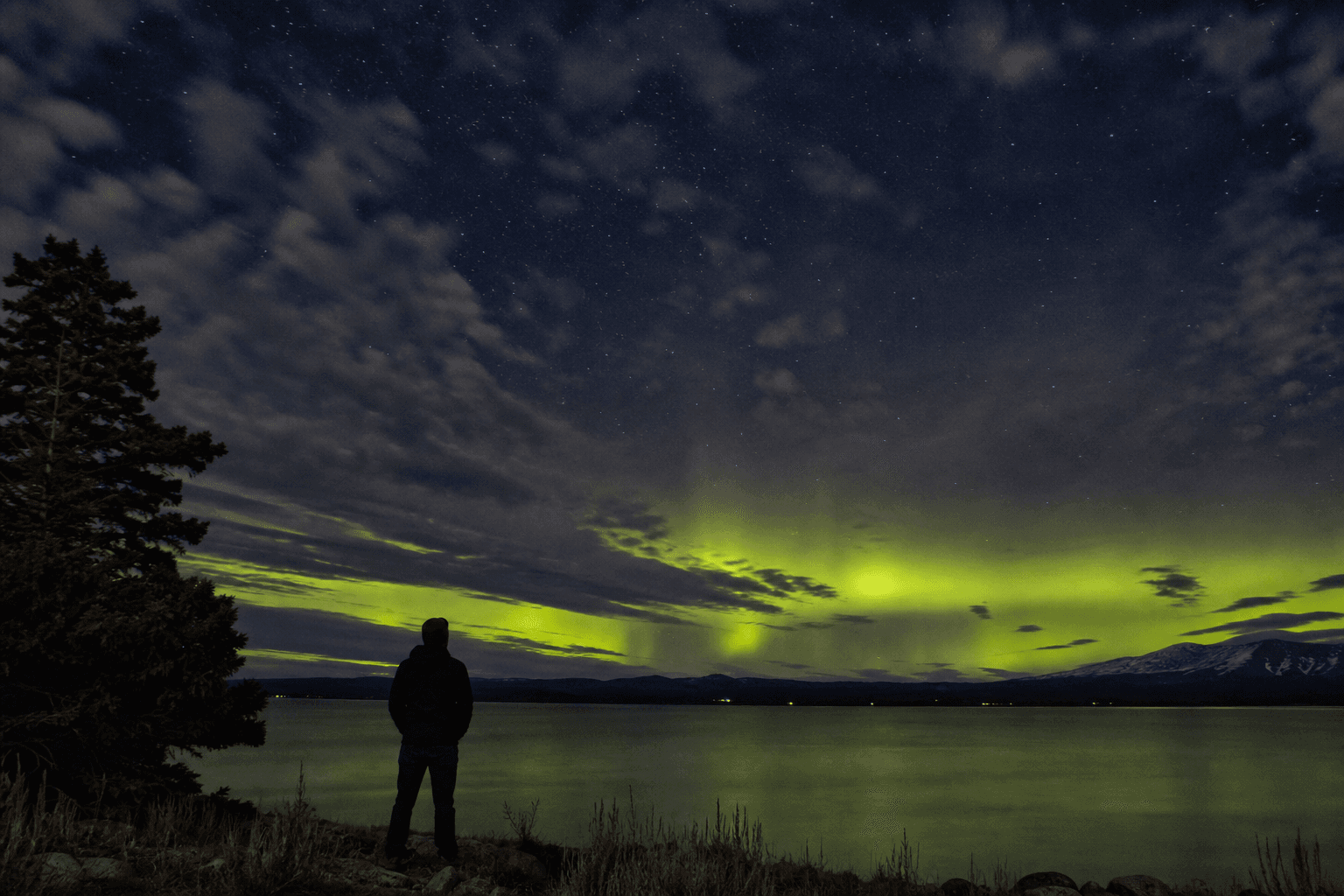
Aurora forecasts can be useful, but they are never perfect. Solar activity, magnetic-field direction, cloud cover, and local darkness all make the northern lights harder to predict than most people expect.
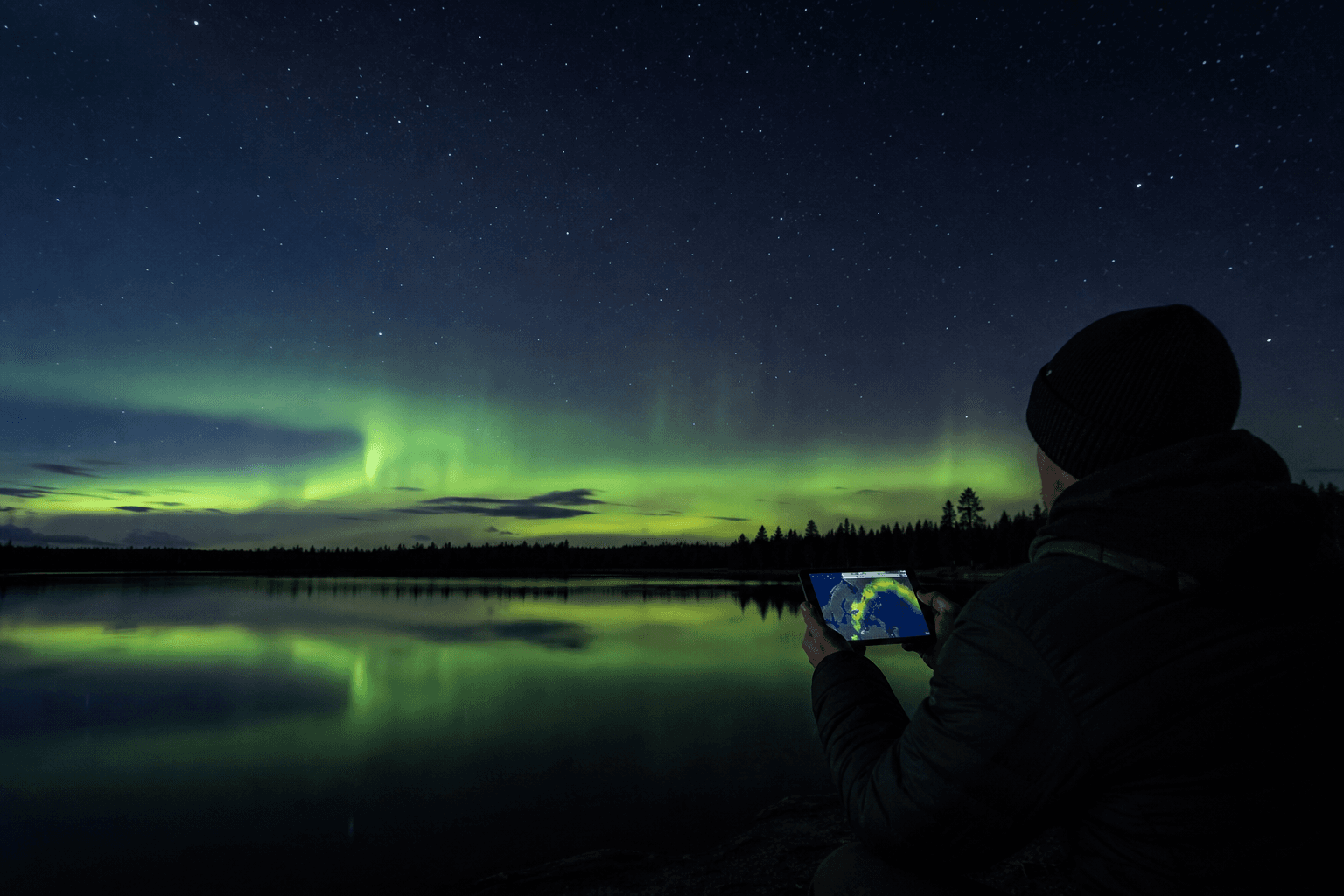
The KP index is one of the most common numbers in aurora forecasts, but it works best as a rough guide, not a promise. Here is what it means and how casual northern lights watchers should use it.