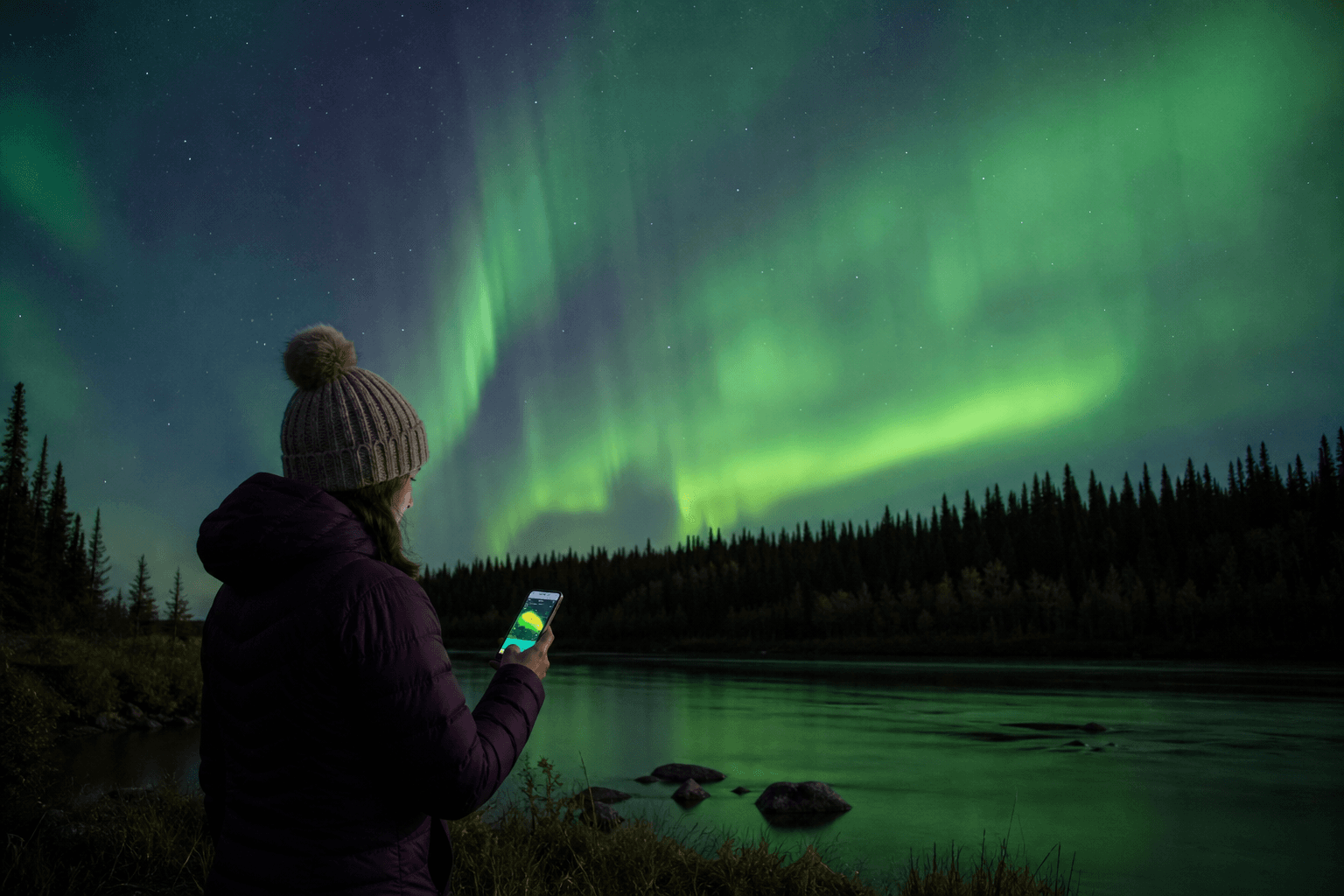
How to Read an Aurora Forecast
An aurora forecast is easier to read when you know what matters most: geomagnetic activity, darkness, cloud cover, and your location. Here is how to turn the numbers into a better yes-or-no decision.
Whitehorse is one of the strongest northern lights destinations in Canada, with dark-season skies and latitude that regularly make aurora viewing realistic.
Worth watching
Conditions are promising enough to monitor, especially from a dark place with an open view. Timing and cloud cover can decide the outcome.
Practical viewing window: 8:55 PM–6:58 AM local time
Tonight
Sep 19
Tomorrow
Sep 20
Monday
Sep 21
Aurora Now
Local viewing guide
Whitehorse, located in the Yukon territory of Canada, is known as one of the best places in the world to witness the mesmerizing display of the northern lights, also known as the aurora borealis. Due to its position under the "Auroral Oval," an area above the magnetic North Pole where auroral activity is concentrated, Whitehorse offers excellent opportunities to see this natural phenomenon.
The best time to catch a glimpse of the northern lights in Whitehorse is during the winter months when the nights are long and dark. The peak season typically runs from late August to mid-April. Clear nights with little to no light pollution increase your chances of witnessing the dancing lights in the sky.
On average, the northern lights can be spotted in Whitehorse approximately 200 nights a year. However, it's essential to keep in mind that aurora borealis is a natural phenomenon, and sightings cannot be guaranteed. Patience and a bit of luck are key when hunting for the northern lights in Whitehorse. So, if you find yourself in Whitehorse during the aurora season, make sure to look up at the night sky for a chance to witness this breathtaking celestial show.
The current aurora chance for Whitehorse is Low. Use the local viewing guide above for Whitehorse-specific context, then combine the live rating with darkness and weather.
A low chance in Whitehorse usually means the setup is marginal. The aurora may stay faint, remain farther north, or only become visible briefly, so expectations should stay conservative unless the forecast strengthens later.
Compare nearby
Use these pages to compare Whitehorse with other forecast locations, understand why visibility changes, and plan the next place to watch.
Learn
Read these guides when the Whitehorse forecast looks interesting but you still need help judging darkness, season, or viewing conditions.
An aurora forecast is easier to read when you know what matters most: geomagnetic activity, darkness, cloud cover, and your location. Here is how to turn the numbers into a better yes-or-no decision.
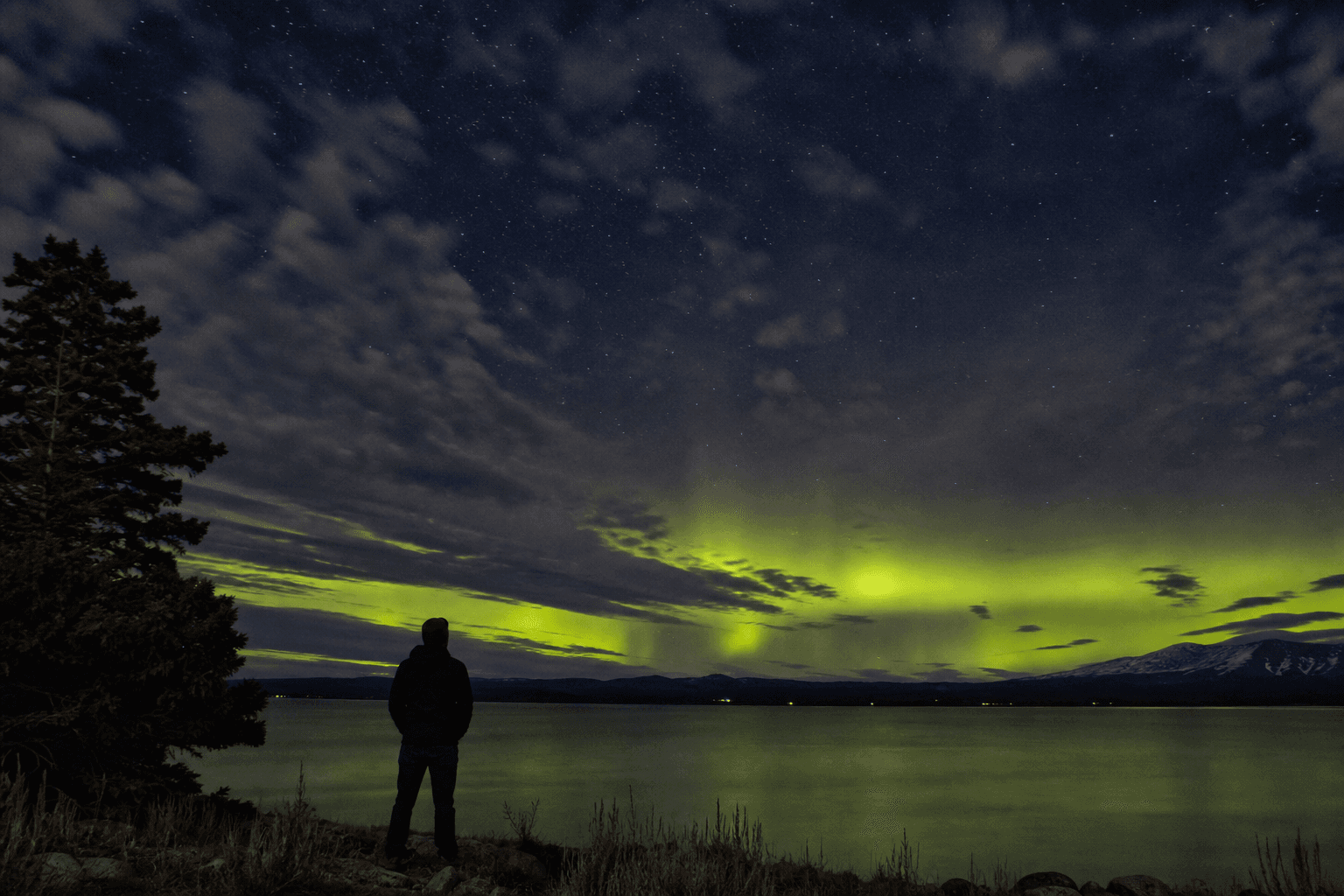
Aurora forecasts can be useful, but they are never perfect. Solar activity, magnetic-field direction, cloud cover, and local darkness all make the northern lights harder to predict than most people expect.
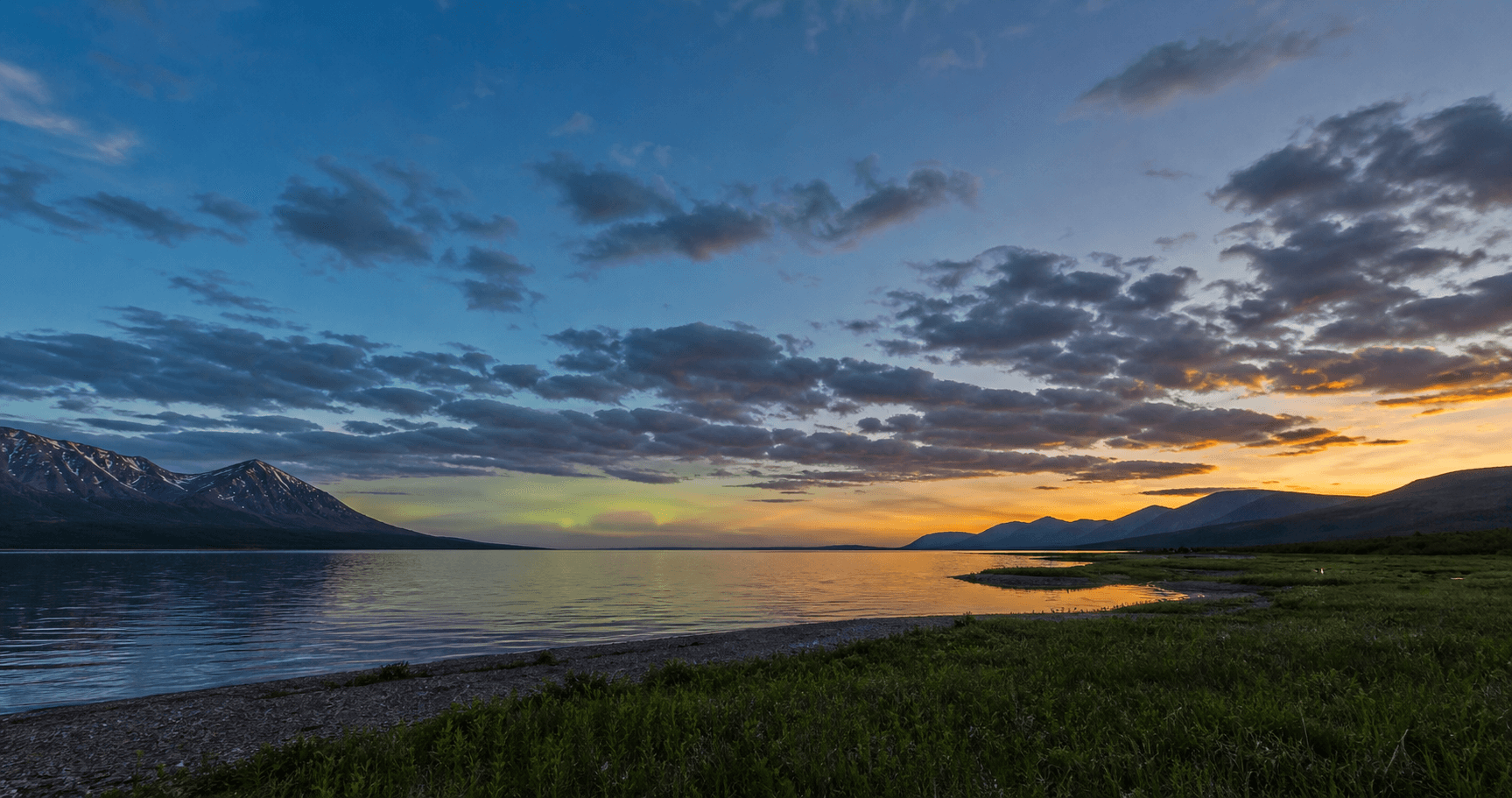
The best time to see the northern lights is usually during dark months from late August or September through March, especially on clear nights in northern Canada, Alaska, and the northern U.S. during stronger activity.