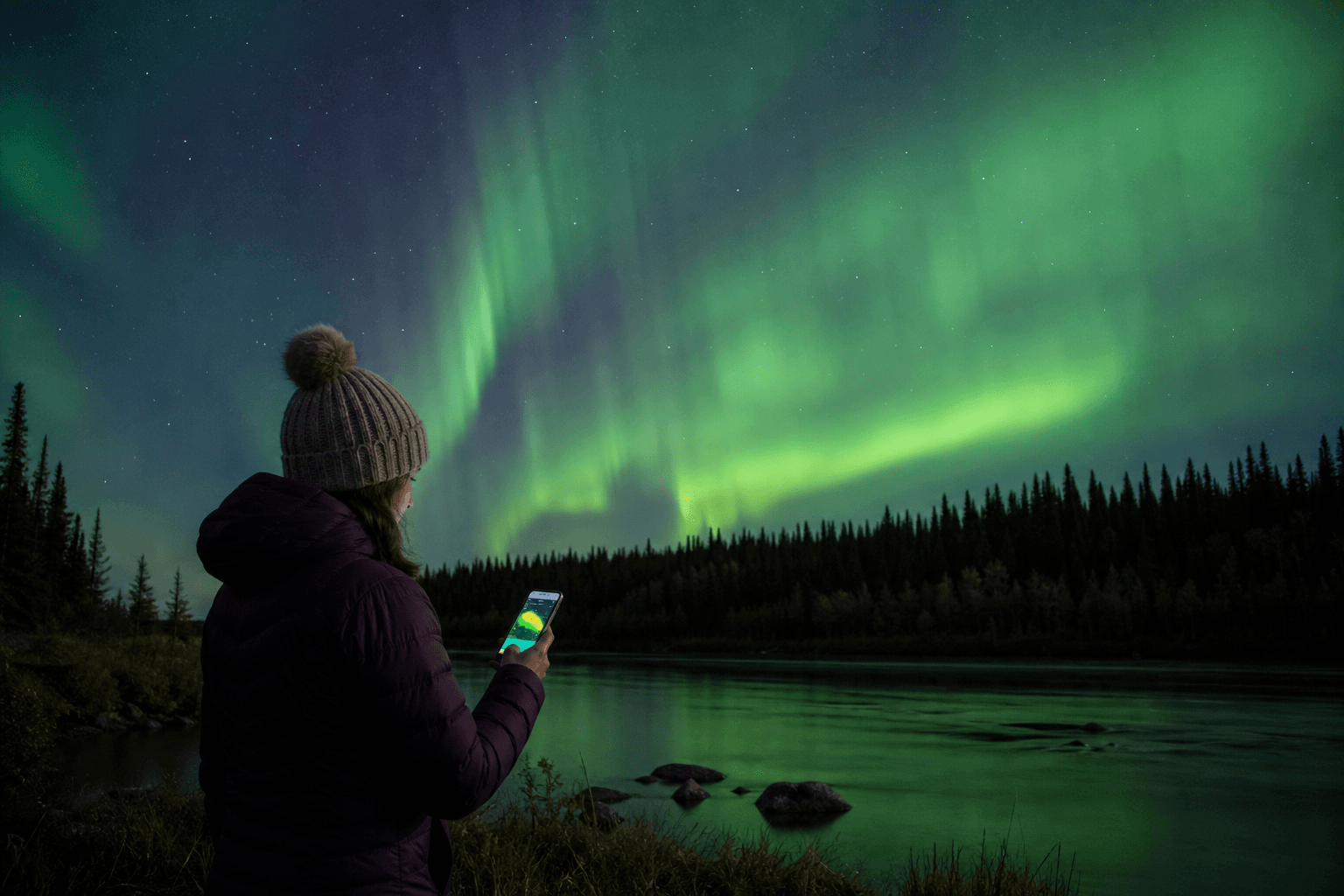
How to Read an Aurora Forecast
An aurora forecast is easier to read when you know what matters most: geomagnetic activity, darkness, cloud cover, and your location. Here is how to turn the numbers into a better yes-or-no decision.
Check Thompson’s northern lights forecast tonight, with northern Manitoba viewing advice, forest openings, city-light limitations, and seasonal darkness.
Worth watching
Conditions are promising enough to monitor, especially from a dark place with an open view. Timing and cloud cover can decide the outcome.
Practical viewing window: 5:25 PM–7:09 AM local time
Tonight
Nov 5
Tomorrow
Nov 6
Saturday
Nov 7
Aurora Now
Local viewing guide
Thompson's northern Manitoba location makes it a useful base for watching aurora during dark, clear conditions. The forecast is centered on the city, not the entire surrounding boreal region. A broad view and limited direct lighting help reveal weaker activity.
Dense forest can restrict the sky even where artificial light is minimal. Look for designated public access to an open area, checking the northern skyline before choosing a spot. The Burntwood River corridor offers a different landscape from wooded streets, but local access and bank conditions still need attention.
Long winter nights provide more time to watch, while summer twilight greatly reduces the dark window. Prepare for the actual weather and avoid relying on an unfamiliar remote road for a spontaneous outing. Compare Churchill for a separate northern Manitoba forecast or Winnipeg farther south. Neither substitutes for checking cloud over Thompson itself.
The current aurora chance for Thompson is Low. Use the local viewing guide above for Thompson-specific context, then combine the live rating with darkness and weather.
A low chance in Thompson usually means the setup is marginal. The aurora may stay faint, remain farther north, or only become visible briefly, so expectations should stay conservative unless the forecast strengthens later.
Use these pages to compare Thompson with other forecast locations, understand why visibility changes, and plan the next place to watch.
Learn
Read these guides when the Thompson forecast looks interesting but you still need help judging darkness, season, or viewing conditions.
An aurora forecast is easier to read when you know what matters most: geomagnetic activity, darkness, cloud cover, and your location. Here is how to turn the numbers into a better yes-or-no decision.
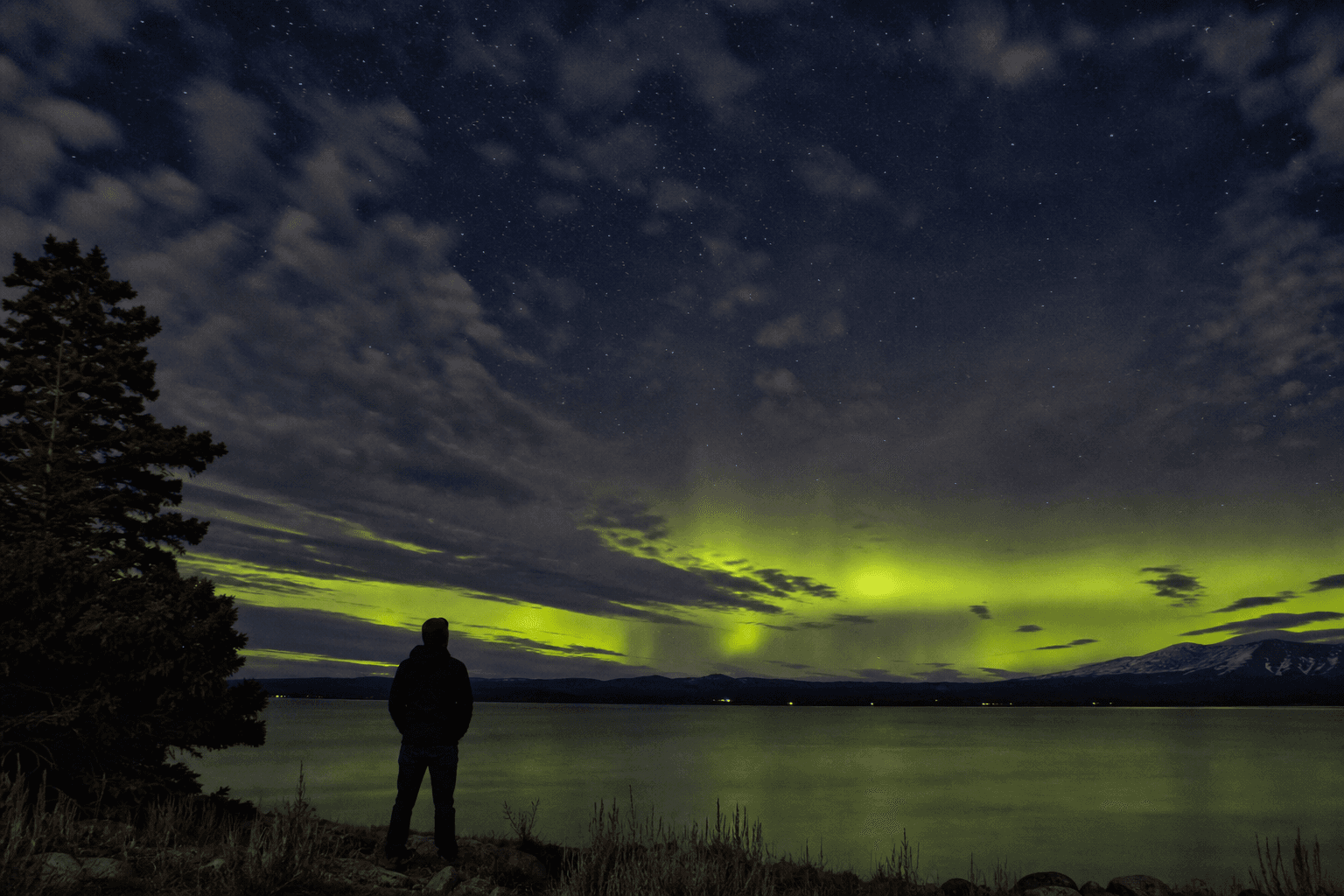
Aurora forecasts can be useful, but they are never perfect. Solar activity, magnetic-field direction, cloud cover, and local darkness all make the northern lights harder to predict than most people expect.
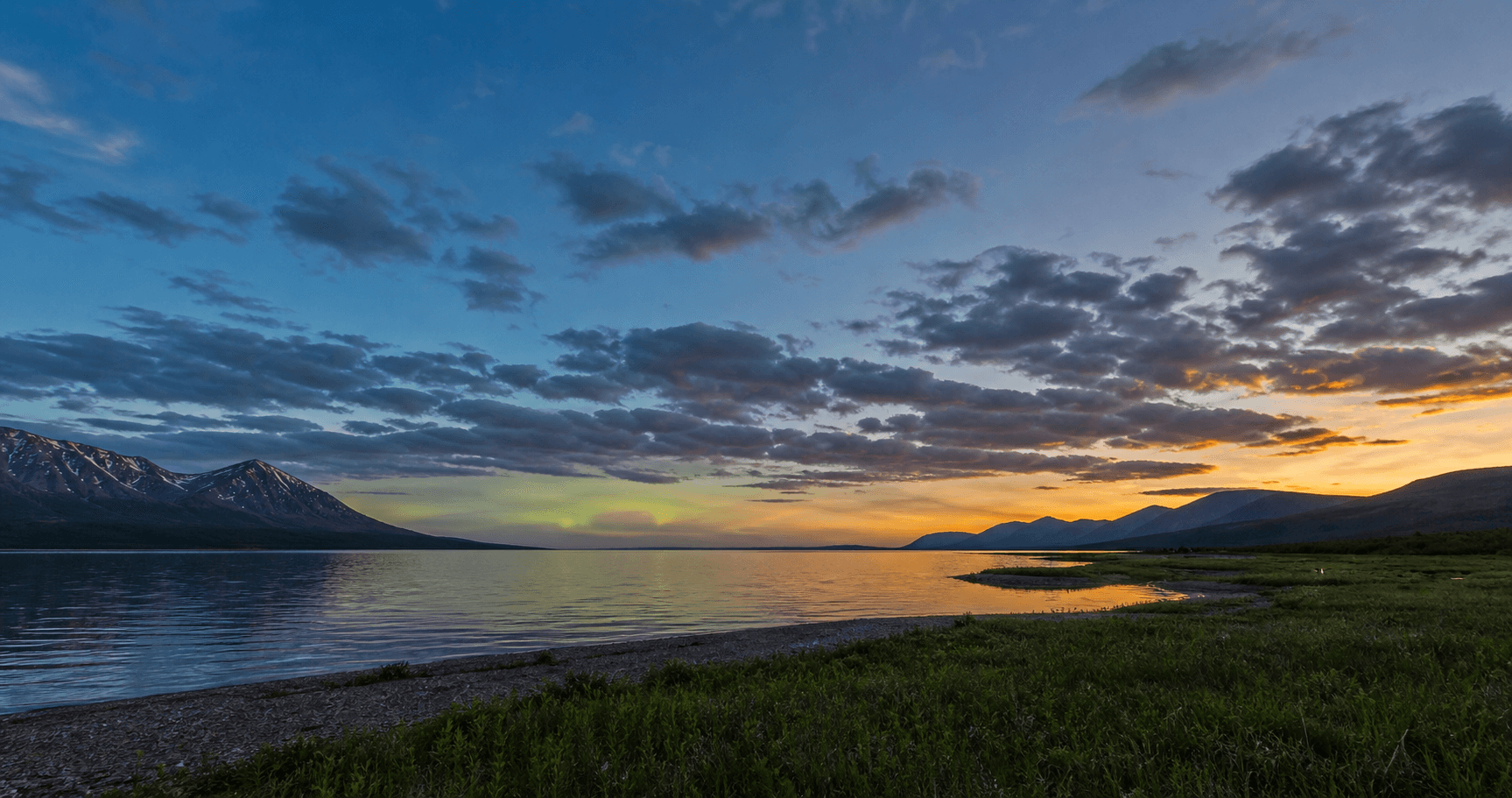
The best time to see the northern lights is usually during dark months from late August or September through March, especially on clear nights in northern Canada, Alaska, and the northern U.S. during stronger activity.