The Solar Cycle and Aurora: Why Some Years Are Better Than Others
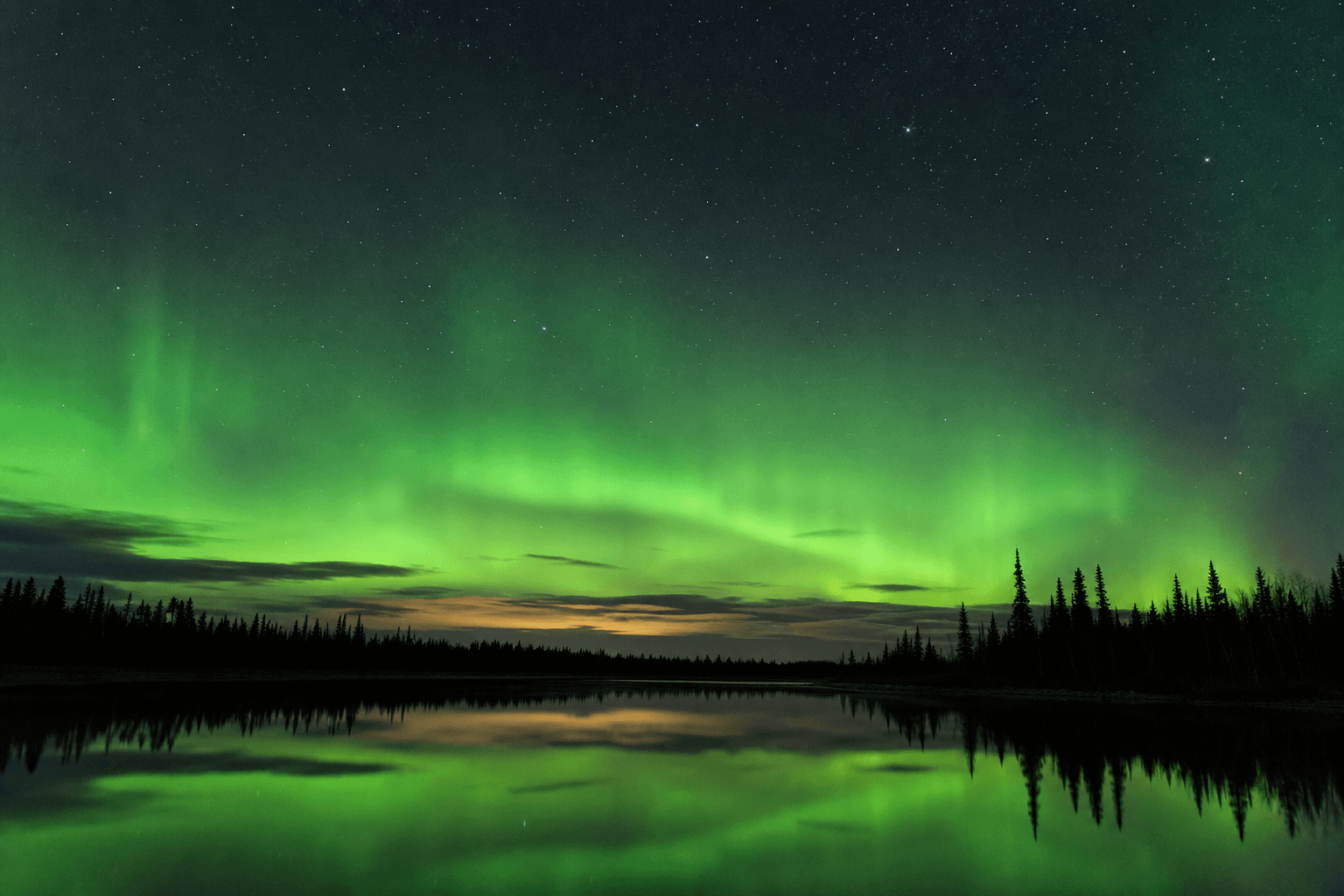
The short version is that the Sun has busier years and quieter years, and aurora chances tend to follow along.
During the more active part of the solar cycle, strong aurora displays and geomagnetic storms usually happen more often. During the quieter part, auroras still occur, but big events are less common and are usually confined farther north. That does not mean every active year is amazing or every quiet year is boring. Space weather enjoys keeping a little unpredictability in reserve.
What is the solar cycle?
The solar cycle is the Sun's roughly 11-year rhythm of rising and falling magnetic activity.
As the cycle changes, the Sun produces different amounts of:
- Sunspots
- Solar flares
- Coronal mass ejections, often shortened to CMEs
- Fast and slow solar wind patterns
These matter for aurora watchers because auroras are driven by activity from the Sun interacting with Earth's magnetic field. If you want a refresher on the basic process, what is the aurora borealis covers the foundation.
Why the cycle matters for aurora
Auroras become visible when charged particles and magnetic energy from the Sun disturb Earth's magnetosphere. In practical terms, more solar activity often means more chances for geomagnetic storms, and more geomagnetic storms can mean auroras reaching farther south in the U.S. and Canada.
The solar cycle does not control every aurora night by itself, but it changes the background odds:
- Active phases usually bring more frequent geomagnetic disturbances.
- Quiet phases usually bring fewer major storms.
- Strong storms during active years are more likely to push aurora visibility into southern Canada and the northern U.S.
- During quieter years, auroras are still common in high latitudes, but widespread displays become less frequent.
Think of the solar cycle as changing the size of the stage. Local weather, darkness, and light pollution still decide whether you can actually see the show.
The main phases of the solar cycle
The cycle is often described in four broad phases. The boundaries are not perfectly neat, but this framework is useful.
Solar minimum
Solar minimum is the quiet phase. Sunspot numbers are low, and the Sun usually produces fewer large eruptions.
For aurora watchers, that usually means:
- Fewer major geomagnetic storms
- Fewer nights when auroras reach well south of the usual auroral zone
- Better odds mainly in places already far north, such as Alaska, northern Canada, and similar high-latitude regions
This does not mean "no aurora." Coronal holes can still send fast solar wind toward Earth, and decent displays can still happen. They are just less frequent on the large, headline-making end.
Rising phase
After minimum, solar activity starts climbing. Sunspots become more common, and the chances of flares and CMEs increase.
This phase is often encouraging for aurora watchers because:
- Activity becomes more frequent
- Moderate storms show up more often
- Aurora chances begin improving outside the far north
In the northern U.S. and southern Canada, this is when people may start noticing more nights with realistic viewing potential, especially during stronger events.
Solar maximum
Solar maximum is the most active part of the cycle. Sunspot counts tend to be high, and the Sun is generally more capable of producing strong eruptions.
This is the phase most people think about when they hear that aurora activity is "good right now." In broad terms, maximum tends to bring:
- More frequent geomagnetic storms
- More chances for bright auroras
- More nights when the aurora can be seen farther south
- More unusual, memorable events in places that do not see aurora often
For U.S. and Canadian watchers, solar maximum is usually the best part of the cycle for widespread aurora visibility. It still does not guarantee a show on demand. Clouds remain employed full time.
Declining phase
After maximum, overall activity trends downward, but the declining phase is not simply a slow fade into boredom.
This part of the cycle can still produce excellent aurora conditions because:
- Strong eruptions can still happen
- Coronal holes can become an important driver of recurring geomagnetic activity
- Some years in the declining phase remain very productive for aurora watchers
In other words, aurora opportunities do not switch off the moment the cycle rolls past maximum. The Sun does not obey tidy calendar labels.
How aurora visibility changes across the cycle
If you are a casual aurora watcher, the most useful takeaway is not the exact sunspot count. It is how far south strong activity might push the aurora and how often those stronger events happen.
In general:
- Around minimum, the best regular viewing stays concentrated in high-latitude areas.
- During the rising phase, opportunities start improving outside the core auroral zone.
- Around maximum, stronger and more frequent storms improve the odds for southern Canada and the northern U.S.
- In unusually strong storms, auroras can sometimes reach much farther south than usual.
That said, even during solar maximum, many nights are quiet. And even during solar minimum, a single good event can still produce impressive displays. The cycle changes probabilities, not guarantees.
Why the solar cycle is useful but not enough
The solar cycle helps with long-term expectations, but it is not a nightly forecast.
To actually see the northern lights, you still need:
- Geomagnetic activity at the right time
- Darkness
- Clear skies
- A location with manageable light pollution
- Enough magnetic latitude for the storm strength
This is why someone can hear that the solar cycle is active and still not see anything that night. The cycle tells you the broader season of opportunity. The daily forecast tells you whether tonight is worth stepping outside in a jacket.
If you are checking conditions regularly, the U.S. forecast and Canada forecast are the more practical tools for day-to-day decisions.
What casual aurora watchers should remember
If you do not want to memorize solar physics terms, keep these points:
- The solar cycle is an approximately 11-year rise and fall in solar activity.
- More solar activity usually means more chances for geomagnetic storms.
- More geomagnetic storms usually mean better odds of seeing auroras farther south.
- Solar maximum tends to be the most favorable phase for widespread aurora visibility.
- Solar minimum still produces auroras, especially in high-latitude locations.
That is really the heart of it. The solar cycle changes how often the Sun sends us useful aurora-making trouble.
The takeaway
The solar cycle matters because it changes the long-term odds for aurora activity. Quiet phases usually mean fewer big geomagnetic storms, while active phases usually bring more frequent and farther-reaching aurora displays.
For casual watchers in the U.S. and Canada, that means your chances often improve around solar maximum, especially if you live in southern Canada or the northern U.S. Just keep expectations grounded: the cycle can improve your odds, but darkness, weather, and timing still have the final vote.