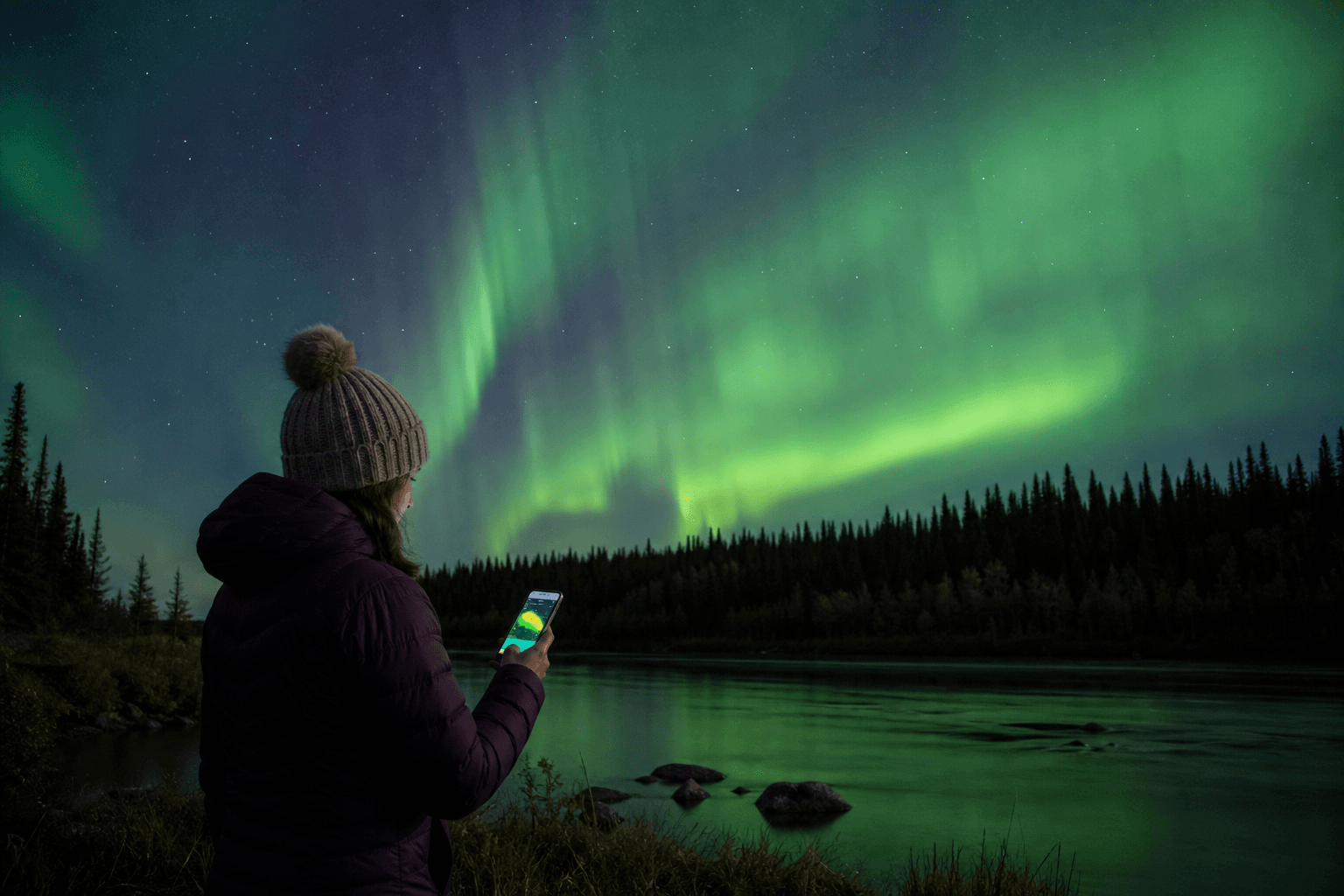
How to Read an Aurora Forecast
An aurora forecast is easier to read when you know what matters most: geomagnetic activity, darkness, cloud cover, and your location. Here is how to turn the numbers into a better yes-or-no decision.
Check northern lights chances in Canmore tonight, with Bow Valley viewing advice, mountain-horizon limitations, and nearby Banff forecasts.
Forecast unavailable
The observing night is known, but the space-weather source does not cover it yet. Check back after the next forecast update.
Practical viewing window: 5:33 PM–7:22 AM local time
Tonight
Nov 14
Forecast unavailable
Tomorrow
Nov 15
Monday
Nov 16
Aurora Now
Local viewing guide
Canmore can experience northern lights during active geomagnetic conditions, but sightings are occasional and depend on clear, dark skies. The town sits in the Bow Valley, where surrounding mountains and local lighting both affect how much of a display is visible.
Start by looking for a publicly accessible area outside the brightest streets with a clear view toward the north. Valley walls can block a faint, low arc even when a forecast looks encouraging. Riverside paths may offer gaps in the trees, but scout the skyline and check access in daylight rather than assuming every open space faces the right direction.
Autumn and winter bring longer nights, while summer leaves a shorter window after twilight. Cloud can change along the valley, so a clear patch over town does not describe the whole region. Compare Banff and Lake Louise for nearby forecasts, and use current local weather to guide any change of location.
The current aurora chance for Canmore is None. Use the local viewing guide above for Canmore-specific context, then combine the live rating with darkness and weather.
A none or near-none chance in Canmore usually means tonight is not a strong aurora setup for this location. It is still useful context, because you can compare later updates or look at cities farther north for better odds.
Use these pages to compare Canmore with other forecast locations, understand why visibility changes, and plan the next place to watch.
Learn
Read these guides when the Canmore forecast looks interesting but you still need help judging darkness, season, or viewing conditions.
An aurora forecast is easier to read when you know what matters most: geomagnetic activity, darkness, cloud cover, and your location. Here is how to turn the numbers into a better yes-or-no decision.
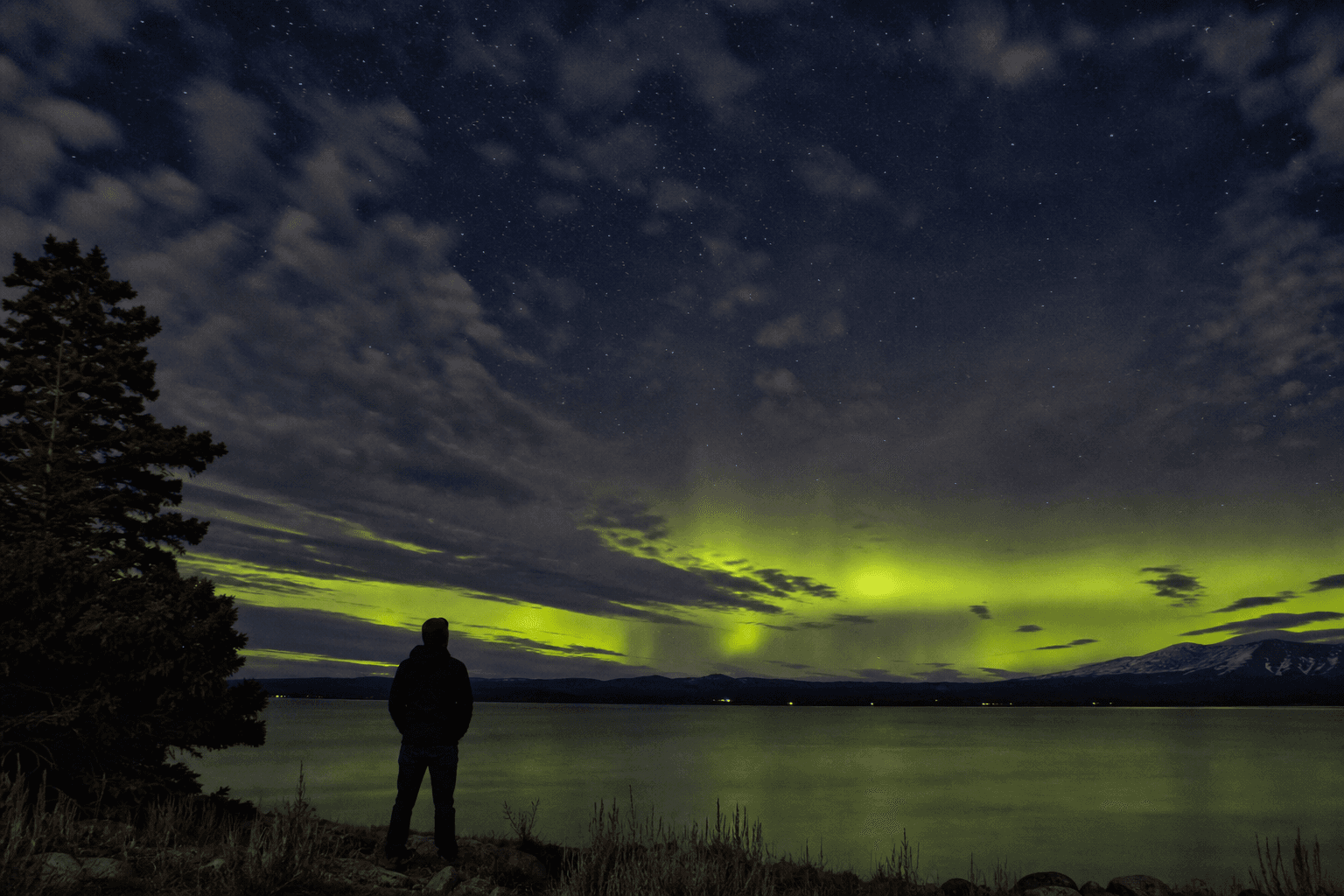
Aurora forecasts can be useful, but they are never perfect. Solar activity, magnetic-field direction, cloud cover, and local darkness all make the northern lights harder to predict than most people expect.
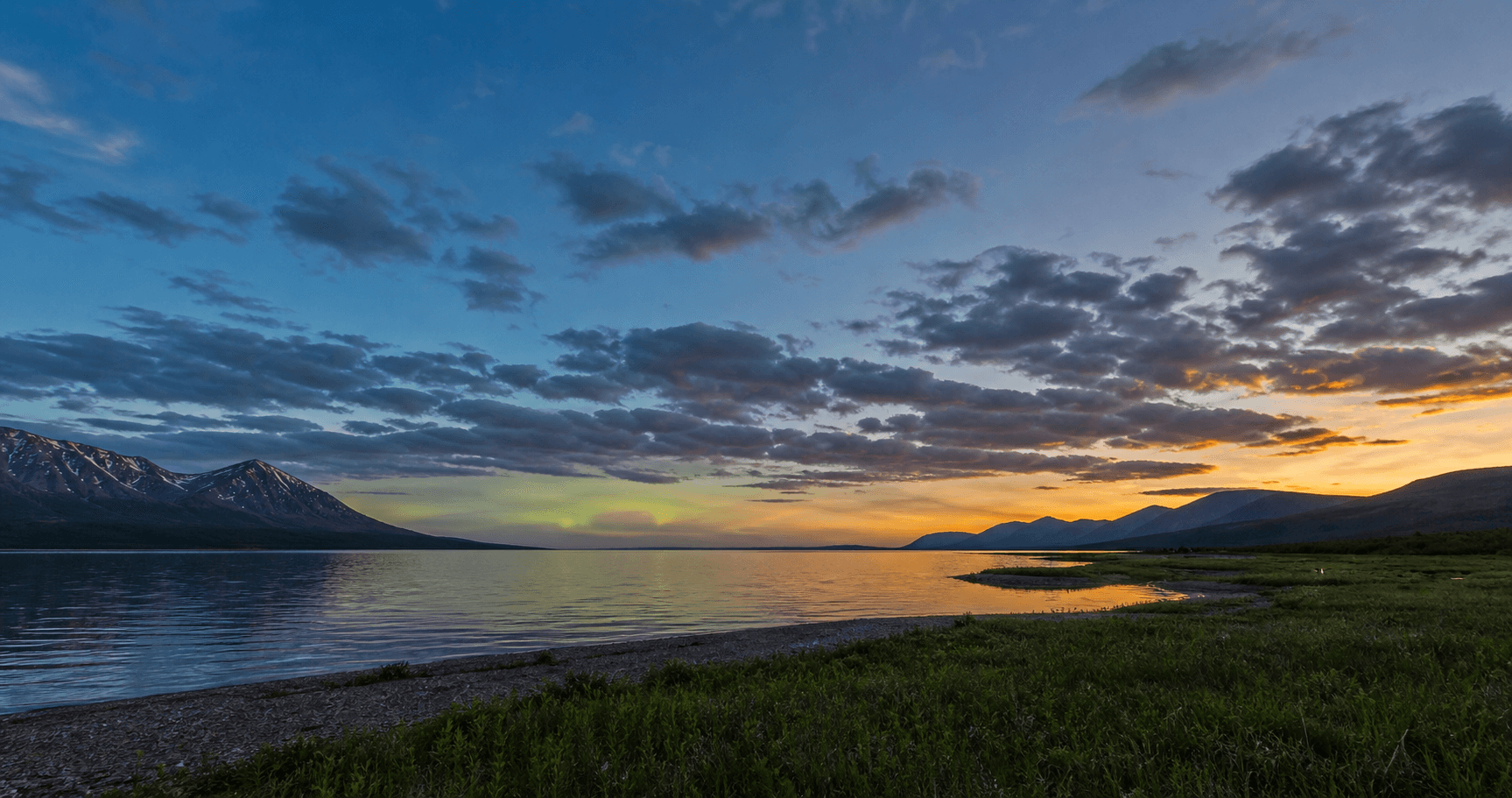
The best time to see the northern lights is usually during dark months from late August or September through March, especially on clear nights in northern Canada, Alaska, and the northern U.S. during stronger activity.